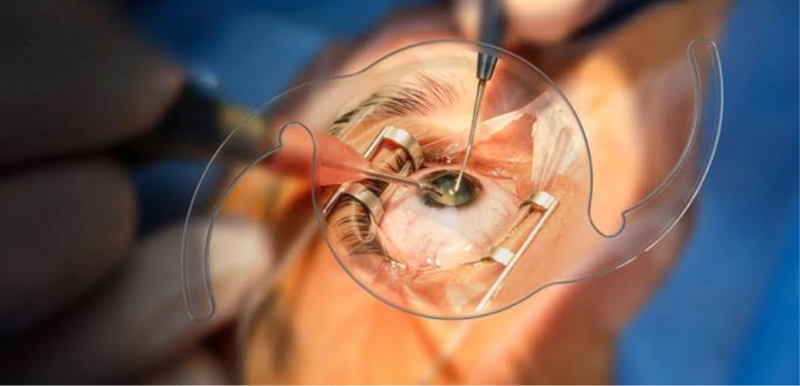
Medical Articles about Ophthalmology
When Should You Worry About Dry Eye, and What Are the Effective Treatments?
Not every eye problem is related to poor vision. Your vision may be clear, yet you may feel burning or a stinging sensation, as if something is constantly bothering your eye. This can sometimes happen because of dry eye, when tears are no longer able to moisturize and protect the eye’s surface adequately. Symptoms may go beyond discomfort and include blurred vision, eye strain, and headaches in some people. What causes dry eye? How can it be treated effectively? When is it necessary to see an eye doctor?
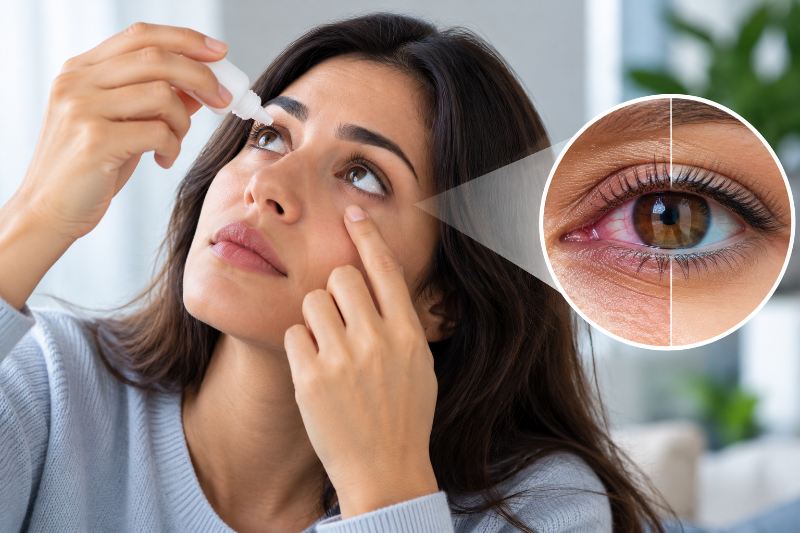
Myopia: Causes and Can It Improve in Children?
This article explains the causes and symptoms of myopia in adults and children, along with risk factors that may contribute to its development. It also covers the difference between myopia and farsightedness, when myopia may stabilize, available treatments such as glasses, contact lenses, and refractive surgery, and warning signs that require urgent eye care.
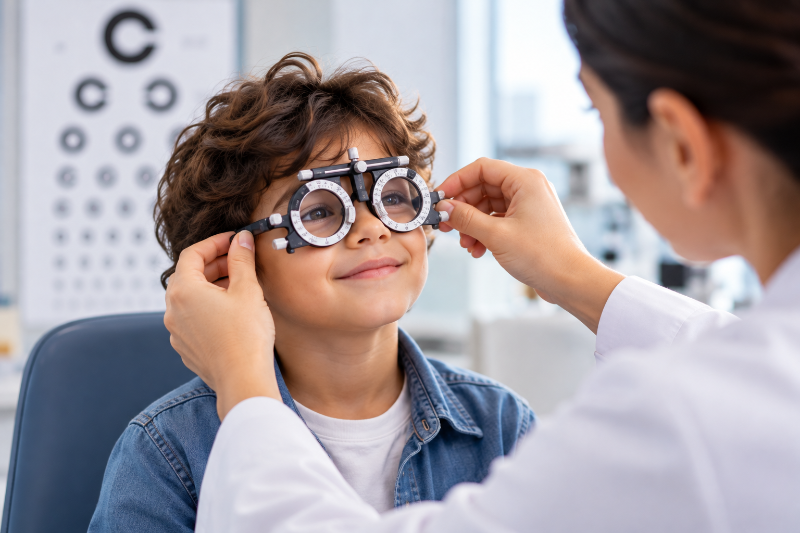
Lazy Eye in Children: Causes, Symptoms, and When Can It Be Treated?
A mother may notice that her child sits close to the television, tilts their head while looking, or relies more on one eye than the other. These signs may indicate amblyopia. What causes lazy eye? What are its symptoms? Can it be treated? Most importantly, when is treatment most effective? This article explains the causes, diagnosis, and treatment of amblyopia, as well as the best time to intervene to protect a child’s vision.
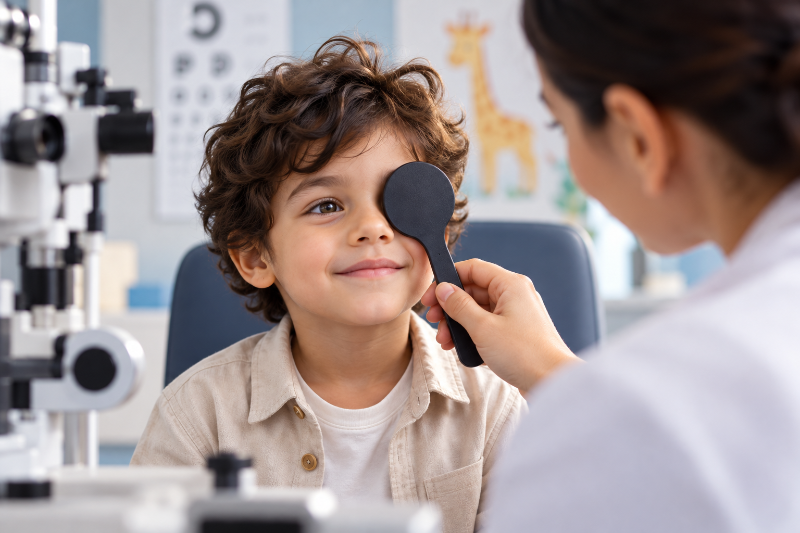
What Is the Best Age to Treat Strabismus in Children?
While monitoring her child, a mother may notice that one eye turns inward or outward, or that the eyes do not look in the same direction. Sometimes this misalignment appears when the child is tired or distracted. In other cases, it is visible all the time. This raises several questions: Is strabismus normal in children? When does strabismus end in infants? Can strabismus be treated permanently? In this article, learn about the causes and types of strabismus in children, when eye misalignment is normal and when it requires medical examination, as well as how strabismus is diagnosed and treated and the main signs that require consultation with an eye doctor.
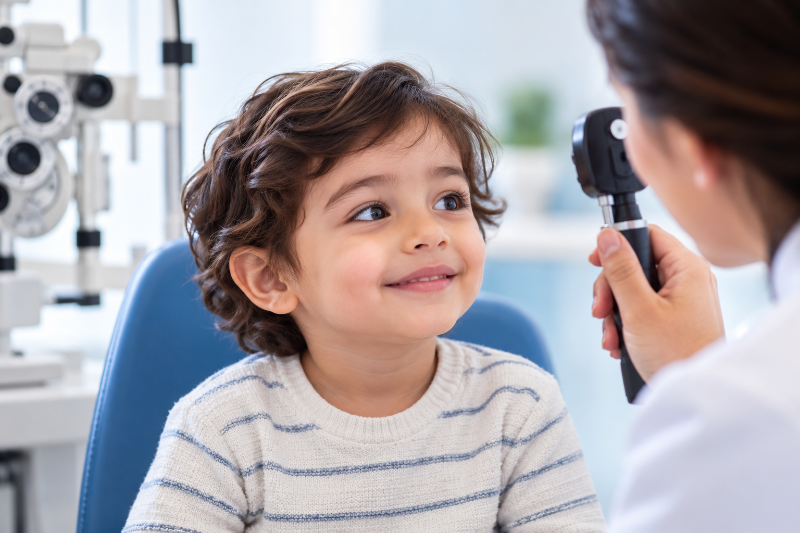
Can optic neuritis be cured? And what is its treatment?
Optic neuritis can cause a range of vision problems, and they aren't the same for everyone. Some people notice blurry vision or trouble telling colors apart. In more severe cases, part of the vision is lost. How much it affects you depends on the cause and on how badly the nerve fibers were hit. Many patients do improve. Still, one question keeps coming up: can optic nerve damage heal? The answer starts with separating temporary inflammation from permanent damage.
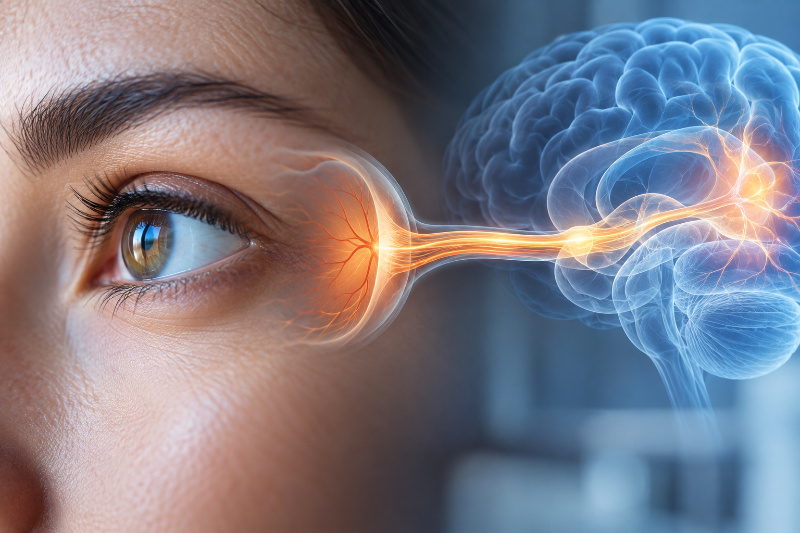
How Is Conjunctivitis Treated, and Can It Affect Your Vision?
When your eye turns red and irritated, it's tempting to reach for whatever eye drops you have at home. But treating conjunctivitis (pink eye) isn't about the redness alone. A virus, bacteria, or an allergy can cause it, and each one is handled differently. So does every case need an antibiotic? When are cold compresses and lubricating drops enough? Can it clear up by itself? It all comes back to the cause, and the cause also decides when you should see an eye doctor.
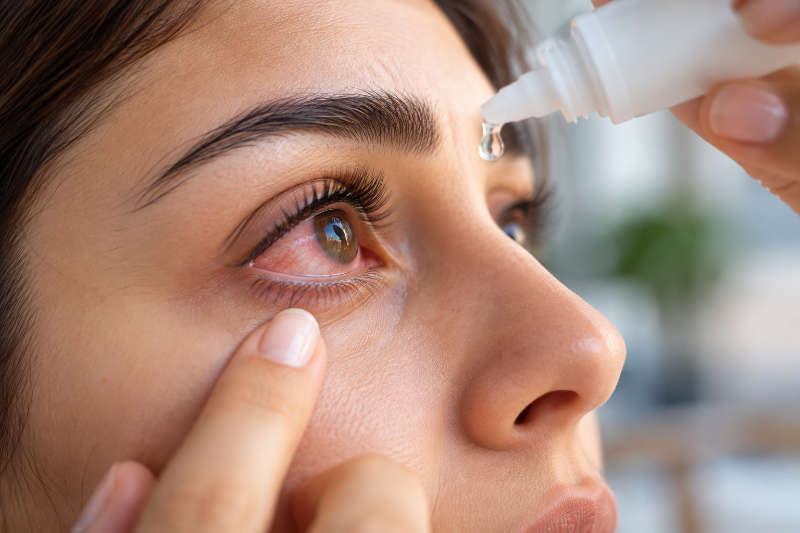
What Causes Vision Problems in Children? When Does It Stop Progressing?
Vision is a child's window to discovering and understanding the world. However, vision problems can sometimes develop silently, affecting a child's growth, learning, and academic performance before they are even aware of the issue. Vision impairment in children is one of the most common eye conditions, and because children rely heavily on their eyesight to learn, explore, and interact with their surroundings, undetected visual problems can negatively impact their learning ability, mobility, and social development.

What is vernal conjunctivitis, and does it affect vision in the future?
With warmer weather and blooming flowers, you may develop eye irritation known as vernal conjunctivitis, a common seasonal eye allergy. It can affect not only your eyes but also your daily comfort and focus. In this article, you’ll learn its causes, symptoms, treatment, and how to prevent it to keep your eyes healthy.
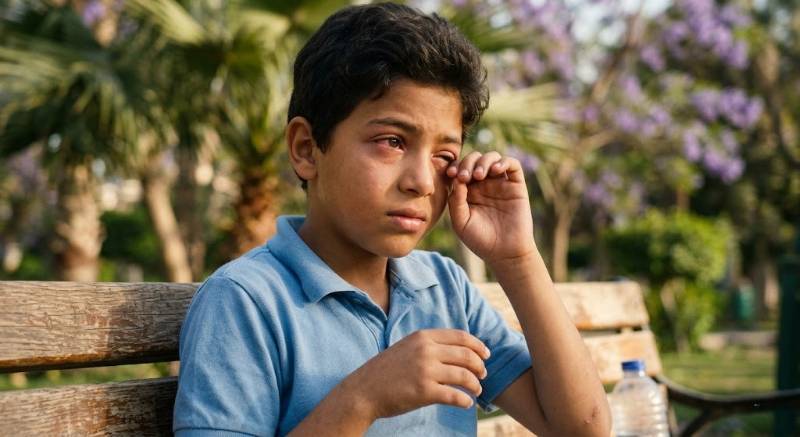
Glaucoma (Eye Pressure / Blue Water in the Eye)… Causes and Treatment
Glaucoma occurs as a result of increased intraocular pressure and may affect vision or lead to vision loss. Regular eye examinations and early treatment are essential to prevent complications.
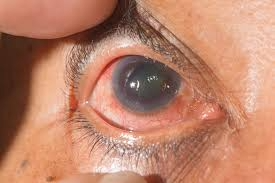
Cost of Cataract Surgery and Its Types
Cataract surgery helps replace the clouded lens with an artificial one to improve vision. It can be performed using phacoemulsification, laser, or traditional methods and generally does not pose significant risks.