Cost of Cataract Surgery and Its Types
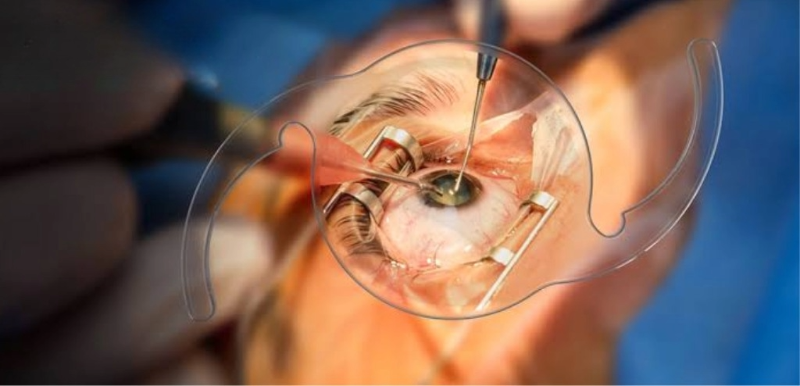
Cataract surgery is the only definitive solution for eliminating cataract symptoms and restoring vision. The techniques used vary based on the patient's condition and personal preferences.
What is Cataract Surgery and When is it Needed?
Cataract surgery is a quick and painless procedure performed to treat cataracts (clouding of the eye's natural lens). Cataracts result from the breakdown of lens proteins due to aging, creating cloudy areas that block light and impair vision.
The surgery involves replacing the clouded lens with an artificial intraocular lens (IOL), which restores visual clarity. Specialized IOLs are also available to correct conditions such as astigmatism and presbyopia.
Not all cataract cases require surgery. In early stages, prescription glasses or magnifying lenses may suffice. Surgery becomes necessary when patients experience:
- Halos around bright lights
- Increased sensitivity to sunlight
- Loss of night vision
- Blurred or double vision
In some cases, surgery is advised even without symptoms if the cataract has significantly progressed.
what are Preoperative Preparations and Examinations before cataract ?
Lens selection depends on patient preferences and the following factors:
- Material: plastic, acrylic, or silicone
- Features: UV protection, flexible vs. rigid
- Cost: varies by type
Lens types include:
- Multifocal lenses: provide near, intermediate, and distant vision
- Fixed monofocal lenses: focus on distant objects only (glasses required for reading)
- Accommodative monofocal lenses: allow both near and distant vision by responding to eye muscle movements
- Toric lenses: correct astigmatism
Required tests and instructions before surgery:
- Eye measurements 1–2 weeks before surgery to determine the appropriate lens
- Fasting for 12 hours before the procedure
- Use of antibiotic eye drops the day before surgery
- Avoid alcohol for at least 24 hours before surgery
How Long Does Cataract Surgery Take?
The core procedure lasts about 15–25 minutes, but preparation and recovery may extend the total duration to 45–60 minutes.
No hospital stay is required. Patients can usually leave 30 minutes after surgery but should be accompanied by someone.
How is Cataract Surgery Performed?
The procedure is done under local anesthesia. Relaxation medications may also be administered.
The goal is to remove the clouded lens and replace it with a clear artificial one. Techniques include:
1. Intracapsular Cataract Extraction (ICCE)
- Entire lens and capsule are removed through a large incision
- Rarely used today due to high complication risks
2. Phacoemulsification (Phaco)
- Most common modern technique
- Steps include:
- Local anesthesia via drops or injection
- A small incision (2–3 mm) in the front of the eye
- Insertion of a probe that uses ultrasound to break up the cloudy lens
- Removal of fragments using suction
- Implantation of the IOL into the lens capsule
This method doesn’t require stitches and has minimal complications.
3. Extracapsular Cataract Extraction (ECCE)
- Larger incision (9–13 mm) to remove the lens in one piece
- The anterior capsule and lens are removed, posterior capsule remains to support the new lens
- Requires stitches and is used less frequently due to higher risks and lower cost
what are Modern Cataract Surgery Techniques?
1. Femtosecond Laser-Assisted Cataract Surgery (FLACS)
- Uses laser instead of traditional surgical tools to create incisions and soften the lens
- Facilitates lens removal with phaco
- Can correct astigmatism by creating precise curved corneal incisions
2. Modified ECCE
- Similar to standard ECCE but aims to reduce external incision size
- Internal incision ~11 mm, external ~6.5–7 mm
- Leads to faster healing and fewer complications
Where to Perform Cataract Surgery with Laser?
Many hospitals and clinics offer laser cataract surgery. When choosing a surgeon or facility, consider:
- Reputation and quality of care
- Number of successful surgeries performed
- Adherence to infection control protocols
- Proximity to your location
- Flexibility and support from the medical team
- Availability of modern equipment
- Surgeon’s patience and willingness to explain all options
- Don’t choose solely based on cost — consider experience and outcomes
Post-Surgery: What to Expect?
Patients may initially experience temporary blurred vision, tearing, or redness. Vision usually improves gradually over the following days.
Recovery timeline:
- Resume daily tasks in 2–3 days
- Full recovery takes 1–2 months
Postoperative care instructions:
- Use prescribed eye drops
- Sleep on your back or the side opposite the operated eye
- Wear sunglasses outside and eye shields while sleeping
What to Avoid After Cataract Surgery?
To ensure optimal healing, avoid:
- Rubbing or pressing the eye
- Letting water or soap enter the eye
- Using face creams or eye makeup
- Swimming
- Dyeing hair (for at least one week)
- Sauna
- Exposure to dust or physical strain
what is the Success Rate of Laser Cataract Surgery?
Laser-assisted cataract surgery has a success rate of 95–97% and offers:
- Sharper and clearer vision
- Enhanced color perception
- Reduced dependence on glasses
- Improved night driving without glare or halos
what are Side Effects After Cataract Surgery?
Although generally safe, some patients may experience temporary side effects:
- Eye pain: usually mild and due to dryness; severe pain may indicate infection
- Double vision: temporary, as the brain adjusts to the new lens
- Blurred vision: improves within days
- Posterior capsule opacification (PCO): clouding of the lens capsule in 5–50% of cases; easily corrected with laser
- Anesthesia allergies: rare
- Infection: very rare (0.05–0.3%)
- Retinal detachment
- Lens displacement
- Bleeding or swelling
what is the Cost of Cataract Surgery ?
The price of cataract surgery depends on:
- Surgeon’s experience and credentials
- Technique used (laser procedures are more expensive)
- Facility type (hospital vs. private clinic)
- Type of anesthesia (some prefer general anesthesia)
- One or both eyes treated
Some health insurance plans may cover the surgery, so it’s advisable to check with the provider or clinic.
Conclusion
Cataracts affect around 17% of the global population and can significantly impact daily life. Surgical intervention — especially with modern methods — provides a safe, effective way to restore clear vision and improve quality of life.
If you still need to consult a doctor regarding this condition, you can easily book an appointment through Vezeeta
Related Keywords



References
“Average Cost of Cataract Surgery: What to Expect” — Eye Surgery Guide Eye Surgery Guide+1
https://eyesurgeryguide.org/average-cost-of-cataract-surgery-what-to-expect/
“Cataract Treatment: Surgery Costs, Recovery, Risks” — Healthline Healthline
https://www.healthline.com/health/eye-health/cataract-treatment
“What to Expect From Cataract Surgery” — WebMD WebMD
https://www.webmd.com/eye-health/cataracts/what-to-expect-from-cataract-surgery
“The Cost of Cataract Surgery With or Without Insurance” — MyVision.org MyVision.org
https://myvision.org/cataracts/surgery/costs/
“Global Access and Cost of Cataract Surgery (Guide)” — London Cataract Centre (overview of worldwide cost variation) London Cataract Centre
https://www.londoncataractcentre.co.uk/blog/economics-global-access-cataract-surgery/
“جراحة الساد (الماء الأبيض): معلومات عن عملية المياه البيضاء” — Bi‑Maristan (in Arabic) مركز بيمارستان للعلاج في تركيا
https://bi-maristan.com/eye-diseases/lens/cataract-surgery/