Myopia: Causes and Can It Improve in Children?
What Causes Myopia?
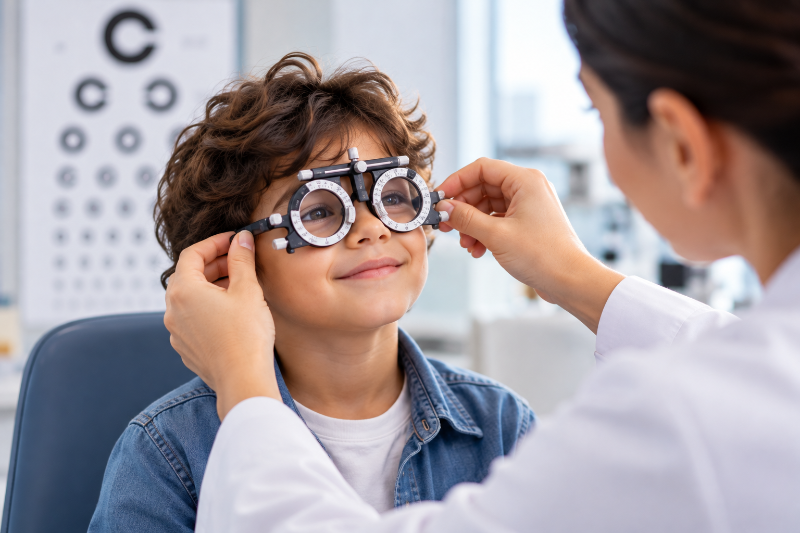
Myopia occurs when light rays focus in front of the retina instead of directly on it. As a result, distant objects appear unclear, while nearby objects can be seen more clearly.
This is usually caused by an increase in the length of the eyeball or increased curvature of the cornea, which affects how light focuses inside the eye.
The main factors that may increase the likelihood of developing myopia include:
- Genetic factors: The likelihood increases if one or both parents have myopia.
- Growth during childhood: Myopia may increase as the child grows and the length of the eye changes.
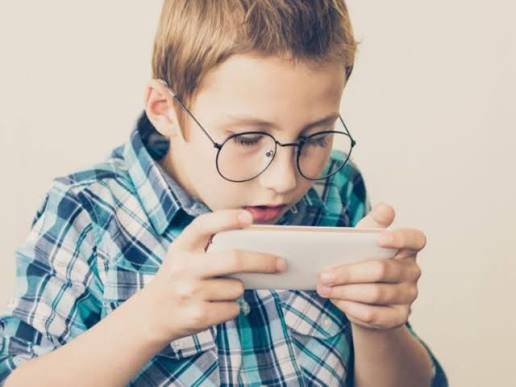
- Reading and prolonged screen use: Focusing on nearby objects for long periods may be associated with a higher likelihood of myopia progression, especially in children.
- Limited time outdoors: Spending less time outside may increase the likelihood of myopia in children.
Using a phone or computer does not necessarily cause myopia. However, it is recommended to take regular breaks from screens, avoid focusing on nearby objects for long periods without rest, and encourage children to spend enough time outdoors.
Causes of Sudden Myopia
Myopia usually develops gradually. However, suddenly noticing blurred distance vision does not necessarily mean that you have myopia. Other causes may require medical assessment.
Possible causes include:
- Changes in blood sugar: Major changes in glucose levels may affect the lens of the eye, causing temporary changes in visual clarity or refractive power.
- Accommodative spasm: Prolonged focusing on nearby objects may cause a temporary spasm in the eye’s focusing mechanism in some people, resulting in blurred distance vision.
- Cataracts: Changes in the eye’s lens may cause blurred vision or a change in refractive power.
- Other eye problems: Some diseases of the retina or cornea, along with other eye disorders, may cause changes in vision.
What Are the Symptoms of Myopia in Adults?
Myopia may begin mildly and go unnoticed at first. Difficulty seeing distant objects may then become clearer over time, especially while driving, watching television, or trying to read signs.
The main symptoms of myopia in adults include:
- Blurred vision when looking at distant objects.
- The need to squint to try to see details clearly.
- Headaches, especially after eye strain or trying to focus on distant objects.
- Eye strain after certain visual activities.
- Difficulty seeing road signs or reading information displayed on a distant screen.
- Reduced visual clarity while driving at night, especially when there is glare from headlights.
The severity of symptoms varies from one person to another depending on the degree of myopia. If the problem affects driving or daily activities, an eye examination is important to determine the refractive error and choose the appropriate correction.
What Is the Difference Between Myopia and Farsightedness?
The main difference between myopia and farsightedness is the distance at which vision is affected and where light focuses in relation to the retina.
With myopia, distant objects usually appear unclear because light focuses in front of the retina. With farsightedness, nearby objects may be harder to see, especially when the degree is high or when the eye’s ability to accommodate decreases with age.
The effect of farsightedness differs from one person to another. Some people may compensate for mild farsightedness without noticing clear symptoms, while others experience eye strain, headaches, or difficulty focusing on nearby objects.
When Does Myopia Stop Progressing?
Myopia often begins during the school years. Its degree may increase during childhood and adolescence as the eye grows. It stabilizes in many people in the late teenage years or during their twenties, but the age at which progression stops differs from one person to another.
Reaching the age of 18 or 21 does not necessarily mean that the degree of myopia will remain stable. It may continue to change in some people after this stage.
If you are considering refractive surgery, it is important to confirm that your vision measurements have remained stable for the period determined by your ophthalmologist. The health of your cornea and eyes in general should also be assessed.
Can Myopia Improve in Children?
Myopia usually does not disappear on its own, and glasses do not return the eyeball to its normal length. A child’s myopia may increase as the child grows. Therefore, it is not enough to buy new prescription glasses after noticing reduced vision without having an appropriate eye examination.
However, some methods may help slow the progression of myopia in certain children, depending on their age and the severity of the condition. These include:
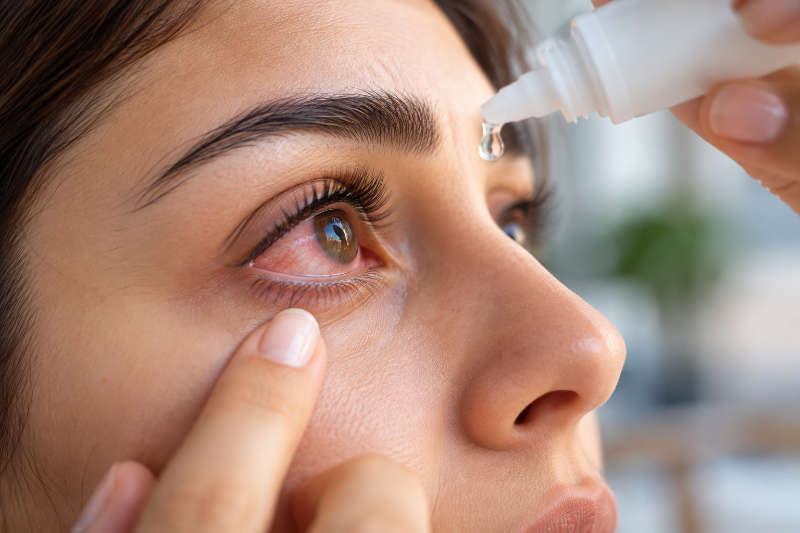
- Low-dose atropine eye drops: A doctor may recommend them to help slow the progression of myopia in some children.
- Special myopia-control spectacle lenses: Certain types are designed to help slow the increase in eye length and the progression of myopia.
- Specialized contact lenses: These include some multifocal lenses and lenses designed for myopia control. The doctor determines whether they are suitable for the child.
- More time outdoors: Spending regular time outside may help reduce the risk of developing myopia in children, while protecting the eyes from sunlight.
The response to these options differs from one child to another. Do not use eye drops or specialized lenses without medical supervision, and monitor the child’s prescription regularly.
When Should You See an Ophthalmologist?
If blurred vision appears suddenly or is accompanied by eye pain, double vision, flashes of light, a sudden increase in floaters, or a curtain-like shadow in front of the eye, seek urgent medical assessment. Do not assume that a sudden change is simply new myopia.
What Are the Treatments for Myopia?
Treatment depends on the degree of vision loss, the person’s age, eye health, and how suitable each treatment option is for the person’s daily needs. The main goal is to correct the path of light so that a clear image forms on the retina. Treatment options include:
Prescription Glasses
Prescription glasses are among the most common and safest ways to correct myopia. They use concave lenses that help diverge light rays before they enter the eye, allowing the image to focus on the retina.
Glasses may be enough to correct vision for many people. However, they do not necessarily stop the progression of myopia, especially in children.
Contact Lenses
Contact lenses may be used to correct myopia instead of glasses or alongside them, depending on the person’s needs and the doctor’s assessment.
Follow cleaning and disinfection instructions and observe the recommended wearing time. Avoid sleeping in contact lenses unless they are specifically designed for overnight wear and medically recommended. Do not use them if the eye is red or painful without consulting a specialist, to reduce the risk of infection and corneal complications.
Laser Refractive Surgery
Refractive surgery may be suitable for some adults with stable myopia after a comprehensive eye examination.
Options include:
- LASIK: The cornea is reshaped with a laser to correct the way light is refracted.
- Photorefractive keratectomy (PRK): This procedure reshapes the surface of the cornea with a laser. It may suit some people who are not candidates for other procedures.
- Small incision lenticule extraction (SMILE): This laser procedure corrects certain degrees of myopia in suitable patients.
These procedures are not suitable for everyone. The choice depends on the degree of myopia, the thickness and shape of the cornea, overall eye health, and the stability of the measurements. Each procedure has benefits and risks that should be discussed with an ophthalmologist.
Implantable Lenses
In some cases of severe myopia, a doctor may recommend placing a lens inside the eye, especially when laser corneal correction is not suitable. The decision depends on detailed examinations and whether the eye is suitable for the procedure.
These options do not mean that everyone with severe myopia needs surgery. Glasses or contact lenses may remain the most suitable and safest choice in some cases.
What Drink Strengthens Eyesight?
No drink treats myopia or returns distant vision to normal. Drinking water and eating a balanced diet containing leafy vegetables, fruit, sources of vitamin A, and antioxidants support general eye health. There is no evidence that carrot juice or other drinks can correct refractive errors.
In summary, Myopia may be the reason that distant objects appear unclear, especially if you can see nearby objects clearly. If you notice a change in your vision or difficulty recognizing distant details, it is best to have an eye examination with an ophthalmologist to identify the cause and choose the appropriate treatment. Regular eye examinations also help protect your eye health.
If you still need a doctor’s consultation regarding this condition, you can easily book an appointment through Vezeeta.
Related Keywords

References
https://www.nei.nih.gov/eye-health-information/eye-conditions-and-diseases/nearsightedness-myopia
https://www.mayoclinic.org/diseases-conditions/nearsightedness/symptoms-causes/syc-20375556
https://www.mayoclinic.org/diseases-conditions/nearsightedness/diagnosis-treatment/drc-20375561
https://www.medlineplus.gov/ency/article/001023.htm
https://www.nhs.uk/symptoms/floaters-and-flashes-in-the-eyes/
https://www.nhs.uk/conditions/detached-retina-retinal-detachment/