When Should You Worry About Dry Eye, and What Are the Effective Treatments?
How Can Dry Eye Be Treated Quickly?
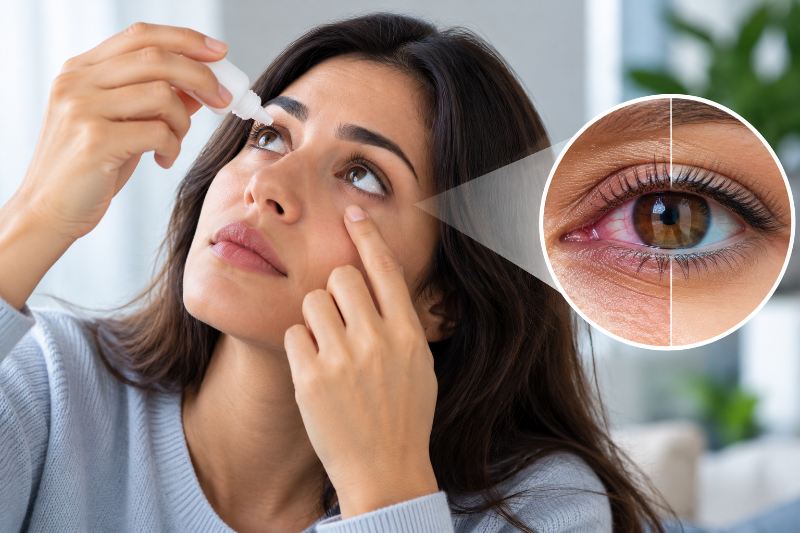
If you experience eye burning or a gritty sensation, some simple steps may help relieve symptoms and restore comfort. However, the right treatment depends on the cause and severity of the dryness.
Ways to treat dry eye quickly include:
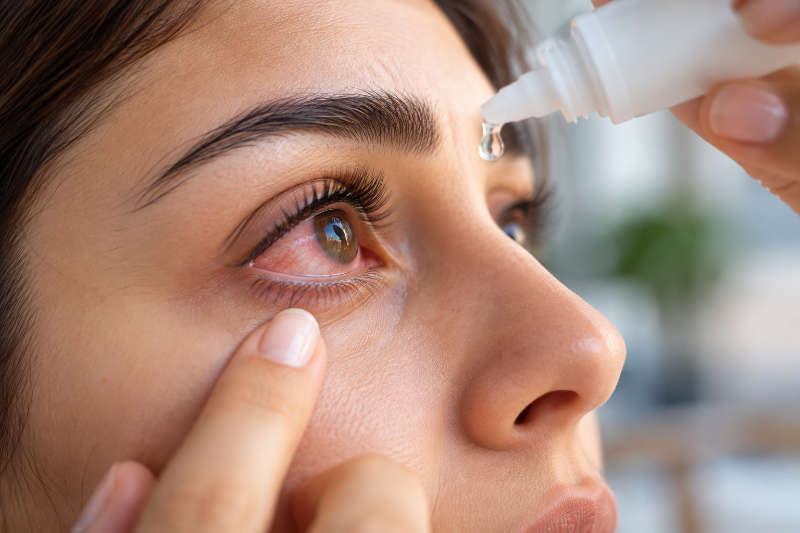
- Using artificial tears: Lubricating eye drops can replace insufficient tears and relieve burning and irritation. If you need to use them frequently, preservative-free drops may be a suitable option.
- Reducing direct exposure to air: Avoid directing air conditioners or fans toward your eyes. Wear suitable glasses when exposed to wind or dry conditions.
- Resting your eyes from screens: Take regular breaks while working on a computer or using a phone. Blink regularly to help spread tears across the eye’s surface.
- Using warm compresses: Warm compresses may help improve the function of the oil glands in the eyelids, especially when dryness is related to a problem with the oily layer of the tear film.
- Keeping the air humid: Using a humidifier at home or work may reduce tear evaporation in dry environments.
These measures may relieve dry eye symptoms, but they do not replace a medical examination if symptoms continue or recur despite using lubricating drops.
How Do I Know If I Have Dry Eye?
You may notice that your eyes feel tired after hours of working in front of a screen, or that you need to blink repeatedly before your vision becomes clear again. These signs may indicate dry eye, especially when they occur every day.
Common symptoms of dry eye include:
- Burning or stinging in the eyes.
- A gritty feeling or the sensation of having a foreign body in the eye.
- Eye redness, irritation, or itching.
- Temporary blurred vision, especially while reading or using screens.
- Sensitivity to light.
- Heavy eyelids or eye strain.
- Unusually increased tearing.
What Causes Dry Eye?
Dry eye occurs when the balance of tears is disrupted, either because tear production decreases or tears evaporate too quickly. Several factors can affect this balance. Some are related to daily habits, while others are linked to health conditions or the surrounding environment.
The main causes of dry eye include:
Using screens for long periods
When you concentrate on a computer or phone screen, you often blink less. This allows tears to evaporate more quickly and increases burning and visual strain.
Aging and hormonal changes
Tear production may decrease with age. Hormonal changes, especially during menopause, may also affect eye lubrication in some women.
Environmental factors
Wind, dust, smoke, dry air, and continuous exposure to air conditioning can increase tear evaporation, making dry eye symptoms more noticeable.
Some diseases and health problems
Dry eye may be associated with certain health conditions, such as Sjögren syndrome, which affects the glands responsible for producing tears and saliva, as well as autoimmune diseases such as rheumatoid arthritis.
Some medicines
Some medicines may affect tear production, including certain antihistamines, antidepressants, diuretics, and other medicines. If symptoms began after starting a new medicine, consult your doctor to review its effects. Do not stop taking it on your own.
Problems with the oil glands in the eyelids
Tears contain an oily layer that helps reduce evaporation. When the oil glands in the eyelids do not work properly, tears may evaporate quickly and dry eye may develop even when tear production is normal.
What Is the Best Eye Drop for Severe Dry Eye?
There is no single eye drop that is best for every case of dry eye. The choice depends on the severity of symptoms, the cause of the dryness, and how often the drops are needed.
Treatment options include:
- Artificial tears: These relieve symptoms and replace some of the lost moisture. They are available in different formulations for varying levels of dryness.
- Preservative-free lubricating drops: These may be more suitable when drops are needed several times a day, especially for people with sensitive eyes.
- Anti-inflammatory drops: A doctor may prescribe them for chronic dry eye or dry eye accompanied by inflammation, based on the examination findings.
- Treatments that preserve tears: A doctor may place small plugs in the tear drainage ducts to reduce tear loss when appropriate.
If you have severe dry eye or your symptoms do not improve with artificial tears, it is best to see an eye doctor to determine the appropriate treatment instead of trying several drops without a diagnosis.
Do not use corticosteroid drops or redness-relief drops for long periods without medical supervision. Some of these products may cause complications when used incorrectly.
When Should You Worry About Dry Eye?
In most cases, dry eye can be controlled with lubricating drops and changes to daily habits. However, persistent or severe symptoms may indicate a problem that requires medical evaluation.
Make an appointment with an eye doctor if:
- Dryness continues despite using suitable lubricating drops.
- Repeated redness or burning affects your daily activities.
- Your vision becomes blurred repeatedly.
- You need to use drops continuously without noticeable improvement.
- Dry eye symptoms occur along with dry mouth or other symptoms that may suggest a general health condition.
When Does Dry Eye Become an Emergency?
Seek urgent medical evaluation if symptoms are accompanied by severe eye pain, sudden and intense light sensitivity, a clear and sudden change in vision, or severe redness, especially if these signs appear suddenly or affect only one eye. If you wear contact lenses and develop noticeable pain or redness, remove the lenses and seek medical evaluation promptly.
How Can Dry Eye Be Prevented?
You can reduce the chance of developing dry eye or limit recurring symptoms through simple changes to your daily routine:
- Blink regularly while using screens.
- Follow the 20-20-20 rule: Every 20 minutes, look at something about 20 feet away, or 6 meters, for 20 seconds.
- Avoid direct exposure to air conditioners, fans, and dusty air.
- Use a humidifier if the surrounding environment is dry.
- Drink water regularly, while remembering that drinking water alone does not treat every cause of dry eye.
- Keep your eyelids clean, especially if you have eyelid inflammation or oil-gland dysfunction.
- Ask your eye doctor about contact lenses if you notice increased dryness while wearing them.
These steps help protect the eye’s surface, but they do not prevent every case, especially when dryness is linked to a chronic disease or changes in tear production.
Dry eye may seem like a minor problem at first, but persistent burning, redness, and blurred vision can affect your comfort and ability to carry out daily activities. Using suitable artificial tears and avoiding factors that increase tear evaporation may relieve symptoms. Treatment for severe dry eye depends on identifying the cause and choosing the appropriate treatment. If symptoms continue or unusual signs appear, do not delay seeing an eye doctor to protect your eye health and maintain clear vision.
If you still need a doctor’s consultation regarding this condition, you can easily book an appointment through Vezeeta
Related Keywords




References
https://www.nei.nih.gov/eye-health-information/eye-conditions-and-diseases/dry-eye
https://www.mayoclinic.org/diseases-conditions/dry-eyes/symptoms-causes/syc-20371863
https://www.mayoclinic.org/diseases-conditions/dry-eyes/diagnosis-treatment/drc-20371869
https://www.nhs.uk/symptoms/dry-eyes/
https://medlineplus.gov/ency/article/000426.htm