What Causes Vision Problems in Children? When Does It Stop Progressing?
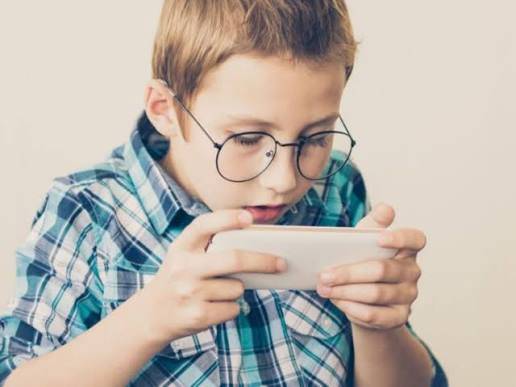
What Is Vision Impairment in Children?
Vision impairment in children refers to the eye’s inability to see details clearly, even when trying to focus. It is most commonly caused by refractive errors that prevent light from focusing accurately on the retina.
Hyperopia (Farsightedness) in Children
Hyperopia is one of the most common vision problems in children. It causes nearby objects to appear blurry while distant objects remain clearer. In this condition, light focuses behind the retina rather than directly on it, usually because the eyeball is shorter than normal. If left untreated, hyperopia may lead to persistent eye strain, frequent headaches, and difficulty reading or concentrating during schoolwork.
When Does Vision Impairment Appear in Children?
Many parents wonder when vision problems first develop and how they can recognize them. The truth is that visual disorders can appear at any age, from birth through the early school years. Most common conditions are diagnosed between the ages of three and five, when children begin engaging in visually demanding activities such as coloring, reading, and other close-up tasks.
What Are the Signs of Vision Impairment in Children?
Children may not be able to describe their vision difficulties, but certain behaviors can indicate a problem, especially as they grow older. If your child consistently shows one or more of the following signs, an eye examination is recommended:
- Holding books, phones, or the television very close to the face.
- Tilting the head or squinting to see distant objects more clearly.
- Frequent complaints of headache especially after reading or studying.
- Declining academic performance or difficulty seeing the classroom board.
- Avoiding activities that require detailed near vision, such as reading, writing, or drawing.
Signs of Vision Problems in Infants
Infants cannot communicate vision difficulties, so parents should watch for early warning signs. If any of the following symptoms persist or recur, consult a pediatric ophthalmologist promptly.
- Inability to track moving objects with the eyes after 3 months of age.
- Rapid, involuntary eye movements (nystagmus).
- Persistent eye misalignment (strabismus) beyond the first few months of life.
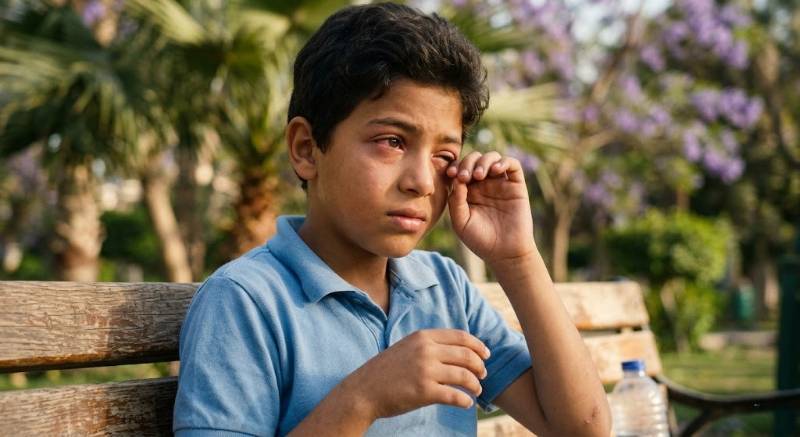
- Excessive tearing without an obvious cause.
- Frequent or unusual eye rubbing.
What Causes Vision Impairment in Children?
Several factors can contribute to vision problems in children. The most common causes include genetic factors, particularly if one or both parents have vision impairment. Other common causes include refractive errors such as:
- Myopia (nearsightedness).
- Hyperopia (farsightedness).
- Astigmatism.
- Amblyopia (lazy eye) or unequal refractive error between the two eyes (anisometropia).
Causes of Sudden Vision Loss in Children
Sudden vision loss in children requires immediate medical evaluation. Prompt diagnosis and treatment can help preserve vision and prevent permanent complications. Possible causes include:
- Direct injury to the eye or head.
- Optic neuritis, which may cause a sudden decline in vision.
- Acute glaucoma (sudden increase in eye pressure), a rare but urgent condition.
- Exposure to certain toxins or accidental ingestion of medications that affect the optic nerve or retina.
- Disorders affecting the retina or the blood vessels supplying the eye, which are less common but can lead to rapid vision loss.
If a child experiences sudden vision loss, rapid deterioration in eyesight, severe eye pain, redness, or an eye injury, they should be taken to the emergency department or an ophthalmologist immediately.
Can Poor Vision Cause Migraine?
Uncorrected refractive errors, particularly hyperopia and astigmatism, can place continuous strain on the eye muscles during focusing. This eye strain may lead to headaches and fatigue and can trigger headache episodes in children who are predisposed to them.
When Does Vision Stop Changing in Children?
It is normal for a child's vision prescription to change as they grow. Vision typically stabilizes around the age of 18 or during the early twenties, when eye growth is complete and refractive measurements become stable. At that stage, vision correction procedures such as refractive surgery may become an option if appropriate.
Can Vision Improve in Children?
Parents often ask whether their child's vision will improve over time. The answer depends on the underlying condition and the child's age when treatment begins. Mild hyperopia may improve naturally as the eye develops. However, other refractive errors, such as myopia, usually do not resolve on their own and require regular follow-up and prescription updates to maintain optimal vision.
Treatment for Vision Impairment in Children
Treatment depends on the underlying cause and begins with a comprehensive eye examination for an accurate diagnosis. Common treatment options include:
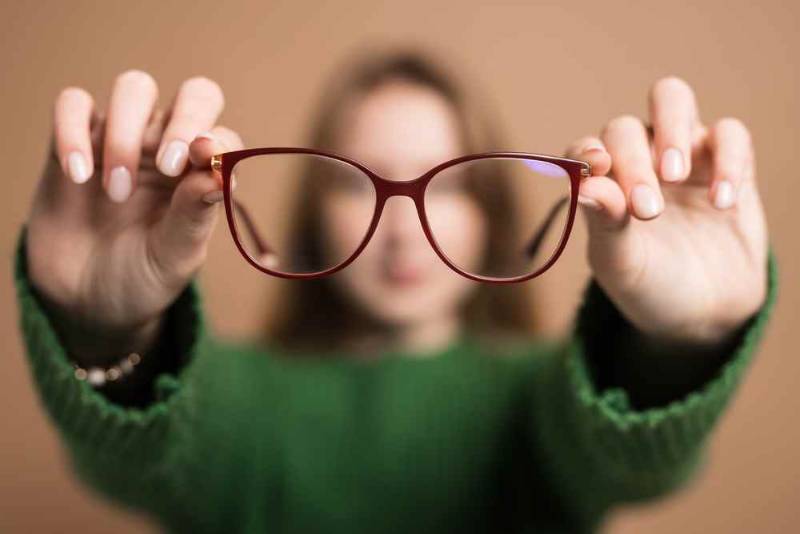
- Prescription glasses: The most common treatment for myopia, hyperopia, and astigmatism.
- Amblyopia treatment: Your doctor may recommend patching the stronger eye or prescribing special eye drops to stimulate the weaker eye.
- Treating the underlying condition: Such as managing eye infections or other diseases affecting vision.
- Surgery: Recommended in selected cases, including strabismus, congenital cataracts, or other conditions that do not respond to conservative treatment.
Which Vitamin Helps Improve Eyesight?
Vitamin A is the most important nutrient for maintaining retinal health and supporting night vision. It is found in foods such as carrots, sweet potatoes, and spinach. However, while vitamins help maintain healthy eyes, they cannot correct refractive errors such as myopia or hyperopia.
When Should You Visit a Pediatric Ophthalmologist?
Early diagnosis allows most childhood vision problems to be treated before they affect a child's visual development or academic performance. Parents should schedule an appointment with a pediatric ophthalmologist if they notice any signs of vision impairment or arrange routine eye examinations even when no symptoms are present, particularly if there is a family history of eye disease.
Conclusion
Vision impairment in children is often treatable or manageable when detected early. Parents should never ignore warning signs such as holding objects too close to the eyes or a decline in school performance. Regular eye examinations and follow-up with a pediatric ophthalmologist play a vital role in early diagnosis and timely treatment, helping children achieve healthy visual development and a better quality of life.
If you still need to consult a doctor regarding this condition, you can easily book an appointment through Vezeeta
Specialized Doctors

Engy Maged Azer
Specialist in Opthalmology and Eye Surgery

Shaimaa Raslan
Specialist in ophthalmology, retina, vision correction and LASIK - Ain Shams Medicine
Mohamed Allam
Consultant Ophthalmology, Vision Correction and LASIK
References
https://www.optometrists.org/childrens-vision/guide-to-childrens-eye-exams/pediatric-eye-exams-2/the-12-common-vision-problems-in-children/
https://www.cdc.gov/vision-health/prevention/youth-vision-problems.html
https://www.aao.org/eye-health/tips-prevention/common-childhood-diseases-conditions
https://preventblindness.org/signs-of-possible-eye-problems-in-children/
Specialized Doctors
Engy Maged Azer
Specialist in Opthalmology and Eye Surgery
Shaimaa Raslan
Specialist in ophthalmology, retina, vision correction and LASIK - Ain Shams Medicine
Mohamed Allam
Consultant Ophthalmology, Vision Correction and LASIK