Glaucoma (Eye Pressure / Blue Water in the Eye)… Causes and Treatment
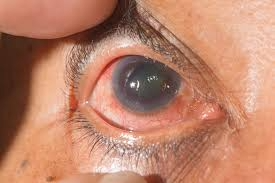
Glaucoma is one of the most serious eye conditions and is considered the second leading cause of blindness worldwide. It results from prolonged elevation of intraocular pressure (IOP), which damages the optic nerve.
In this article, we’ll explore the causes, symptoms, and treatment of glaucoma, as well as ways to prevent it.
What Is Glaucoma?
Glaucoma is a common eye disease caused by optic nerve damage, and it is one of the main causes of permanent blindness.
The optic nerve transmits visual information from the eye to the brain. When fluid builds up in the eye, it raises intraocular pressure, compressing and gradually damaging the optic nerve.
Glaucoma can affect individuals of all ages but is more common in people over 60 years of age.
what are Symptoms of Glaucoma?
In its early stages, glaucoma often shows no symptoms. Patients may experience high eye pressure for years without being aware, and it is frequently discovered during routine eye exams.
Symptoms develop gradually over time and usually affect both eyes, though not always equally. These may include:
- Eye redness
- Pain around the eyes when touched
- Blurred vision
- Seeing colored halos around lights
- Headaches
- Severe eye pain
- Nausea or vomiting
- Decreased vision
- Blind spots in the visual field
what are Causes of Glaucoma?
While glaucoma is most commonly caused by high intraocular pressure, it can also occur in people with normal eye pressure.
The eye contains aqueous humor, a fluid that helps maintain its shape and nourishes tissues. When this fluid cannot drain properly—due to blockage in the drainage angle between the iris and cornea—pressure builds up, damaging the optic nerve.
Risk factors include:
- Diabetes – doubles the risk of developing glaucoma
- Age – higher prevalence in older adults
- Ethnicity – more common in individuals of African or Latin descent
- Blood pressure issues – extreme highs or lows can contribute
- Eye trauma or surgery
- Refractive errors – such as nearsightedness or farsightedness
- Long-term corticosteroid use
- Family history of glaucoma
what are Types of Glaucoma?
There are several types of glaucoma, each with distinct symptoms and causes:
1. Open-Angle Glaucoma
The most common form. Fluid builds up gradually due to malfunction in the drainage system, despite the angle appearing normal.
- Often asymptomatic until advanced stages
- Peripheral vision loss that worsens over time
- Central vision may be lost in later stages
2. Angle-Closure Glaucoma
Rare and sudden. Caused by a narrowing of the drainage angle between the iris and cornea, often triggered by rapid pupil dilation.
- Sudden headaches
- Eye pain
- Blurred vision
- Seeing halos around lights
- Nausea or vomiting
3. Pigmentary Glaucoma
Occurs when pigment granules from the iris block the drainage canals.
- Blurred vision during or after exercise
- Seeing halos around lights
- Gradual peripheral vision loss
4. Normal-Tension Glaucoma
Affects around 30% of glaucoma patients, particularly in people of Asian descent. Optic nerve damage occurs even though eye pressure is within normal limits.
- Often undiagnosed until vision loss becomes apparent
- Progressive peripheral vision loss
5. Congenital Glaucoma (Childhood Glaucoma)
Caused by improper development of the eye's drainage system in utero.
- Cloudy vision
- Frequent blinking
- Headaches
- Lazy eye
- Excessive tearing
- Nearsightedness
What is Diagnosis of Glaucoma?
Due to its silent onset, glaucoma is often diagnosed during routine exams or after vision problems develop.
Diagnostic tests include:
- Gonioscopy – to assess the angle between the iris and cornea
- Optical Coherence Tomography (OCT) – evaluates changes in the optic nerve
- Eye dilation – to examine the optic nerve in the back of the eye
- Tonometry – measures intraocular pressure
- Pachymetry – measures corneal thickness
- Slit-lamp exam – visualizes internal eye structures
- Visual field testing and acuity
How Is Glaucoma Treated?
Glaucoma cannot be cured, but it can be managed to slow or prevent further vision loss. Untreated glaucoma may lead to irreversible blindness.
Treatments include eye drops, oral medications, laser therapy, or surgery, depending on the severity.
Eye Drops for Glaucoma
These reduce eye pressure by either improving fluid drainage or decreasing fluid production:
- Beta-blockers – e.g., Timolol, Betaxolol
- Alpha agonists – e.g., Apraclonidine, Brimonidine
- Rho kinase inhibitors – e.g., Netarsudil
- Carbonic anhydrase inhibitors – e.g., Dorzolamide, Brinzolamide
- Prostaglandin analogs – e.g., Latanoprost, Tafluprost
- Cholinergic agents – e.g., Pilocarpine
Note: Wait at least 5 minutes between different eye drops. Press on the inner corner of the eye or keep the eye closed for 1–2 minutes after application to reduce systemic absorption.
Oral Medications
Used when eye drops are insufficient—commonly carbonic anhydrase inhibitors.
Surgical Treatments for Glaucoma
For advanced cases or when medication fails:
- Laser Trabeculoplasty – improves drainage but doesn’t replace drops
- Trabeculectomy or drainage implants – creates new channels for fluid outflow
Complications of Glaucoma
Glaucoma can cause vision loss in 10% of cases and total blindness in around 5%.
Can Glaucoma Be Prevented?
While not entirely preventable, early detection and risk management are key:
- Routine Eye Exams
- Under 40: every 5–10 years
- Age 40–54: every 2–4 years
- Age 55–64: every 1–3 years
- Over 65: every 1–2 years
- Wear protective eyewear during high-risk jobs or contact sports
- Get tested if you have a family history
what are Tips afford for Glaucoma Patients?
To help manage eye pressure:
- Engage in regular exercise
- Limit caffeine intake
- Eat a vitamin-rich diet
- Drink fluids gradually
- Take prescribed medications consistently
- Consider supportive herbal remedies like bilberry extract—but not as a replacement for medical treatment
Final Thoughts
Glaucoma results from elevated eye pressure and can lead to permanent vision loss if untreated. Regular eye exams and early intervention are crucial to preventing complications and preserving vision.
If you still need to consult a doctor regarding this condition, you can easily book an appointment through Vezeeta
Related Keywords


References
Mayo Clinic — Glaucoma: symptoms, causes & treatments.
https://www.mayoclinic.org/ar/diseases-conditions/glaucoma/symptoms-causes/syc-20372839
https://www.mayoclinic.org/diseases-conditions/glaucoma/diagnosis-treatment/drc-20372846
National Eye Institute (NEI) — Glaucoma overview: what is glaucoma, types, diagnosis, treatment. National Eye Institute
https://www.nei.nih.gov/learn-about-eye-health/eye-conditions-and-diseases/glaucoma
MedlinePlus — Glaucoma: causes, risk factors, treatments. MedlinePlus
https://medlineplus.gov/glaucoma.html
Centers for Disease Control and Prevention (CDC) — Vision & eye health: Glaucoma facts and management advice. CDC
https://www.cdc.gov/vision-health/about-eye-disorders/glaucoma.html
Britannica — Glaucoma (eye disease) — explanation of types (open-angle, angle-closure), causes, and importance of early detection.
https://www.britannica.com/science/glaucoma