Medical Articles about Gynaecology and Infertility
Early Puberty in Girls: Causes, Signs, and Treatment
A mother might notice her daughter starting to grow breasts or develop pubic and underarm hair at a younger age than expected. Questions start coming: Are these changes normal? Could they affect her height or future development? This is known as early puberty in girls (also called precocious puberty), and it needs medical evaluation when signs appear too soon. Here's what you need to know about the condition, how it's diagnosed, how it's treated, and when a child actually needs medical intervention.

The Difference Between Pregnancy Discharge and Period Discharge
Noticing unusual discharge can send your mind straight to one question: is this a pregnancy sign, or just normal pre-period discharge? The answer isn't always obvious, and plenty of women find themselves in that uncomfortable uncertainty, especially when their period is a few days late. Color, texture, and timing are what set these two types of discharge apart, and understanding those details helps you read your body more clearly.

Miscarriage Symptoms: Early Warning Signs and When to Seek Emergency Care
Pregnancy is a time full of hope. But noticing something off, especially unexpected pain or bleeding, can send your mind racing. Understanding what miscarriage symptoms actually look like, and how they differ from normal pregnancy changes, gives you the clarity to act quickly when it matters. A miscarriage is the spontaneous loss of a pregnancy before 20 weeks. It can happen for several reasons, most of which have nothing to do with anything the mother did or didn't do.

Mastitis: Symptoms, Causes, and Treatment for Breastfeeding and Non-Breastfeeding Women
Some women notice the pain before anything else. It comes on fast, without warning, and quickly brings a wave of discomfort and worry. Most of the time, the culprit is mastitis a condition that's far more manageable than it feels in that first moment.

Ovarian Torsion: Sudden Symptoms, Warning Signs, and When It's an Emergency
Ovarian torsion is a relatively rare but serious gynecological emergency that requires prompt diagnosis and immediate treatment. It occurs when the ovary twists around its supporting tissues, cutting off or reducing its blood supply. This can cause sudden, severe pelvic pain and other symptoms that may worsen rapidly if left untreated. Recognizing the warning signs of ovarian torsion and seeking emergency medical care as soon as symptoms appear can significantly improve the chances of preserving the ovary and preventing serious complications. In this article, you'll learn about the common causes of ovarian torsion, its symptoms, risk factors, diagnostic tests, available treatment options, and when to seek urgent medical attention. This guide will help you understand how ovarian torsion is diagnosed and treated to support timely medical care and better outcomes.

What's the Difference Between a Breast Abscess and a Tumor, and How Is It Treated?
Feeling breast pain or discovering a sudden lump can be alarming, but not every breast change is a sign of a serious condition. In many cases, the cause may be a breast abscess, a localized infection that leads to a collection of pus within the breast tissue. Without prompt treatment, the infection can worsen, causing severe pain and increasing the risk of complications. This guide explains everything you need to know about breast abscesses, including their symptoms, causes, diagnosis, and the latest treatment options. You'll also learn when drainage or surgery may be required, how to recognize warning signs that need immediate medical attention, and practical steps to reduce the risk of recurrence.

ICSI: The Procedure, Success Rates, and How It Differs from IVF
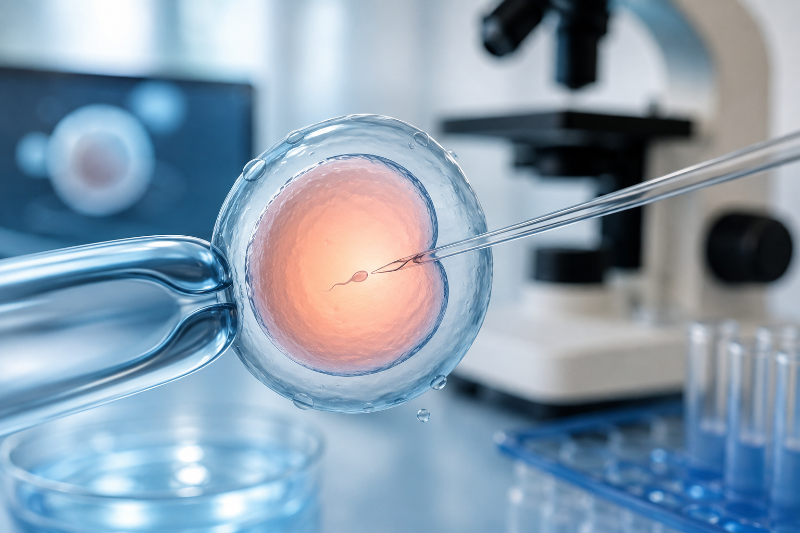
For couples facing challenges in conceiving naturally, advances in reproductive medicine have opened new possibilities for building a family. Intracytoplasmic Sperm Injection (ICSI) is one of the most effective assisted reproductive technologies, offering hope to couples experiencing infertility, particularly when male factor infertility is involved or previous fertility treatments have been unsuccessful. This comprehensive guide covers everything you need to know about the ICSI procedure, from how the treatment is performed and what to expect during each stage, to success rates, possible side effects, recovery, and when pregnancy results may appear. You'll also learn who is most likely to benefit from ICSI and how it compares with conventional In Vitro Fertilization (IVF), helping you make informed decisions throughout your fertility journey.
What Are the Most Common Early Pregnancy Symptoms?
Early pregnancy symptoms often begin to appear within the first few weeks after conception, although their type and intensity can vary from one woman to another. Some women notice clear early signs, such as a missed period, morning sickness, fatigue, and breast tenderness, while others experience only mild symptoms—or none at all. In this guide, you'll learn about the most common early pregnancy symptoms, why they occur, when they typically begin, and the warning signs that require medical attention to help ensure a healthy pregnancy for both mother and baby.

Can Uterine Prolapse Be Treated Without Surgery?
Many women become concerned when they experience an unusual feeling of heaviness or pressure in the pelvic area, as it may be an early sign of uterine prolapse. This common condition develops when the muscles and connective tissues that support the uterus become weakened, allowing the uterus to shift from its normal position. In this comprehensive guide, you'll learn about the early symptoms of uterine prolapse, its underlying causes, how it differs from other pelvic floor disorders, and the available treatment options, including effective non-surgical approaches.
What Are the Warning Signs of a High Risk Pregnancy?
Most pregnancies go smoothly. But sometimes, unusual symptoms show up that shouldn't be ignored. They can point to health problems that put the mother or baby at risk. Knowing how to recognize these warning signs and act on them quickly can prevent serious complications.