Ovarian Torsion: Sudden Symptoms, Warning Signs, and When It's an Emergency
What Is Ovarian Torsion?
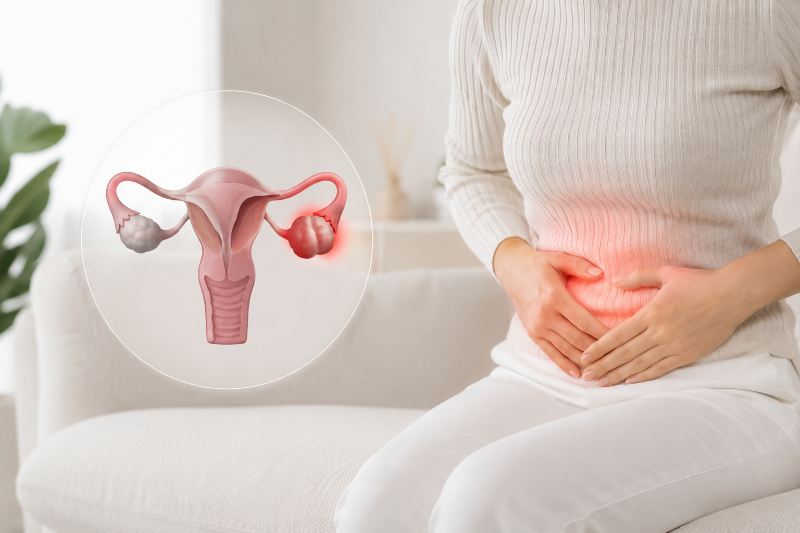
Ovarian torsion is a serious gynecological emergency that occurs when the ovary twists around the ligaments and tissues that hold it in place. This sudden twisting blocks or significantly reduces the blood supply to the ovary, putting the ovarian tissue at risk of permanent damage. Without prompt diagnosis and emergency treatment, ovarian torsion can lead to tissue death, loss of ovarian function, and fertility complications.
Ovarian Torsion Symptoms
Ovarian torsion symptoms usually develop suddenly and become severe within a short period. Because this condition is a medical emergency, immediate evaluation is essential. The most common symptoms include:
- Sudden, severe pain: Sharp pain that typically develops in one side of the lower abdomen or pelvis and begins unexpectedly.
- Nausea and vomiting: These symptoms often occur because the twisted ovary irritates nearby pelvic nerves.
- Low grade fever: A mild increase in body temperature may develop if the blood supply remains blocked and the ovarian tissue begins to deteriorate.
- Abnormal vaginal bleeding: Some women may notice light spotting or bleeding between menstrual periods.
What Causes Ovarian Torsion?
Ovarian torsion occurs when the ovary becomes enlarged or unstable, making it more likely to twist around its supporting ligaments. Common causes include:
- Ovarian cysts or benign tumors: These increase the size and weight of the ovary, making torsion more likely.
- Fertility medications: Ovulation induction drugs may temporarily enlarge the ovaries, increasing the risk of ovarian torsion.
- Loose pelvic ligaments: Some women naturally have more flexible ligaments, allowing the ovary to move more freely and twist.
What Causes Sudden Ovarian Pain?
Sudden, severe ovarian pain is one of the most important warning signs of ovarian torsion and requires immediate medical attention. Unlike normal ovulation pain or menstrual cramps, pain caused by ovarian torsion is persistent, intense, and usually does not improve with over the counter pain medication. The pain may become worse with movement or changes in body position because the twisted ovary places additional tension on the surrounding ligaments and blood vessels.
Ovarian Torsion During Pregnancy
Ovarian torsion can occur during pregnancy during the first trimester. This is commonly associated with:
- Corpus luteum cysts: These cysts naturally develop during early pregnancy to support the growing pregnancy and may increase the risk of torsion.
- Pregnancy hormones: Hormonal changes can relax the pelvic ligaments, allowing the ovary to move more easily.
Diagnosing ovarian torsion during pregnancy requires careful evaluation and timely surgery to restore blood flow while protecting both the mother and the developing baby whenever possible.
How Is Ovarian Torsion Treated?
Treatment for ovarian torsion requires emergency surgery to untwist the ovary and restore normal blood circulation. In most cases, the procedure is performed using minimally invasive laparoscopic surgery, which offers faster recovery and less surgical trauma.
- The surgeon carefully untwists the ovary and evaluates whether normal blood flow has returned. If ovarian cysts are present, they may also be removed to reduce the risk of future torsion.
- If the ovary has suffered irreversible damage due to prolonged loss of blood supply, surgical removal of the ovary, known as an oophorectomy, may be necessary.
What Are the Complications of Ovarian Torsion?
Delayed treatment of ovarian torsion can lead to serious complications that may affect reproductive health. These include:
- Ovarian tissue death: A prolonged interruption of blood flow can permanently damage the ovary.
- Infection and inflammation: Dead ovarian tissue can lead to severe pelvic or abdominal infections.
- Reduced fertility: Although the remaining ovary can continue to function normally, losing one ovary may reduce ovarian reserve and potentially affect future fertility.
Conclusion
Ovarian torsion is a medical emergency that requires rapid diagnosis and immediate treatment to prevent serious complications. Recognizing symptoms such as sudden, severe lower abdominal or pelvic pain, especially in women with known risk factors, can help ensure timely medical care. With early diagnosis and prompt surgical treatment, it is often possible to preserve the ovary, protect fertility, and reduce the risk of long term complications.
If you still need a doctor’s consultation regarding this condition, you can easily book an appointment through Vezeeta.
Related Keywords




References
https://www.acog.org/clinical/clinical-guidance/committee-opinion/articles/2019/08/adnexal-torsion-in-adolescents
https://my.clevelandclinic.org/health/diseases/ovarian-torsion
https://www.ncbi.nlm.nih.gov/books/NBK560675/
https://www.healthline.com/health/womens-health/ovarian-torsion
https://www.webmd.com/women/what-is-adnexal-tenderness