What's the Difference Between a Breast Abscess and a Tumor, and How Is It Treated?
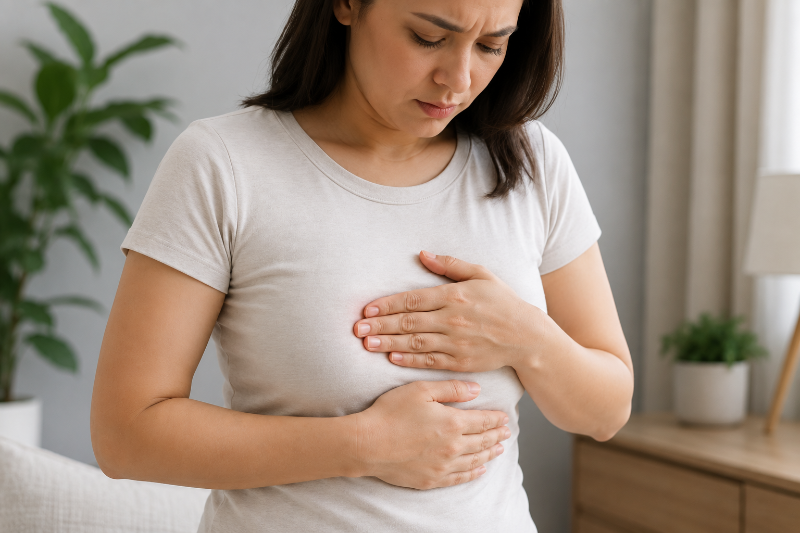
What Is a Breast Abscess?
A breast abscess is a localized collection of pus that forms within the breast tissue as a result of a bacterial infection. It most commonly develops when bacteria enter the breast through small cracks or breaks in the nipple, particularly during breastfeeding.
As the immune system responds to the infection, inflammation develops around the affected area, leading to the formation of a pocket filled with bacteria, dead cells, and inflammatory fluid. Without timely treatment, the abscess can enlarge, causing significant pain and increasing the risk of complications.
Is a Breast Abscess Serious?
In most cases, a breast abscess is not a life threatening condition when diagnosed and treated early. Most patients recover completely with appropriate medical care.
However, delaying treatment can allow the infection to spread into deeper breast tissues or, in rare cases, enter the bloodstream, leading to a more serious infection that requires urgent medical attention.
Early diagnosis and prompt treatment significantly reduce the risk of complications.
Breast Abscess Symptoms
Breast abscess symptoms typically develop rapidly and affect only the infected breast.
Common signs and symptoms include:
- A painful, firm lump beneath the skin.
- Redness and warmth over the affected area.
- Noticeable breast swelling.
- Pus or discharge from the nipple in some cases.
- Fever, chills, fatigue, and a general feeling of illness.
If these symptoms develop, especially during breastfeeding, you should seek medical evaluation promptly.
Can You Breastfeed With a Breast Abscess?
Yes. Having a breast abscess does not always mean you must stop breastfeeding.
Depending on the location of the abscess and your treatment plan, your doctor may recommend:
- Continuing to breastfeed from the unaffected breast.
- Expressing milk from the affected breast to prevent milk stasis and reduce discomfort.
- Continuing breastfeeding if it is considered safe for both mother and baby.
Most antibiotics prescribed for breastfeeding mothers are compatible with nursing, but you should always follow your healthcare provider's advice.
What Causes a Breast Abscess?
A breast abscess is usually caused by a bacterial infection, most commonly Staphylococcus aureus, which enters the breast through damaged skin or nipple cracks.
Several factors can increase the risk of developing a breast abscess, including:
- Blocked milk ducts during breastfeeding.
- Cracked or injured nipples.
- Weakened immunity caused by chronic conditions such as diabetes.
- Smoking, which is strongly associated with non lactational breast infections.
- Previous episodes of mastitis or untreated breast infections.
Identifying and treating these risk factors can help prevent future infections.
Breast Abscess vs Breast Tumor, How Can You Tell the Difference?
Many women worry that a painful breast lump could be cancer. While both conditions can cause a breast lump, their presentation is usually quite different.
A breast abscess typically:
- Appears suddenly.
- Causes significant pain.
- Is associated with redness, warmth, and swelling.
- May be accompanied by fever and other signs of infection.
A breast tumor, especially breast cancer, often:
- Develops gradually over weeks or months.
- Presents as a firm lump that is usually painless in its early stages.
- Rarely causes redness, warmth, or fever unless it is an inflammatory form of breast cancer.
Because some conditions can appear similar, any new breast lump should be evaluated by a healthcare professional.
Can a Breast Abscess Be Cancer?
A breast abscess itself is not cancer and does not turn into breast cancer.
However, a rare and aggressive type of cancer called inflammatory breast cancer can mimic the symptoms of a breast abscess by causing redness, swelling, warmth, and skin changes.
If symptoms do not improve after appropriate antibiotic treatment or drainage, your doctor may recommend additional imaging or further evaluation to rule out other breast conditions, including cancer.
Breast Abscess vs Breast Cyst
Although both conditions can present as a breast lump, they are very different.
A breast cyst is a fluid filled sac that is usually benign, often painless, and may not require treatment unless it causes discomfort.
A breast abscess, on the other hand, contains infected pus and requires medical treatment to eliminate the infection and prevent complications.
Unlike cysts, abscesses often need antibiotics, drainage, or both.
How Is a Breast Abscess Diagnosed?
Doctors diagnose a breast abscess using a combination of physical examination and imaging studies.
Diagnostic evaluation may include:
Physical Examination
Your doctor will examine the breast to assess the size of the lump, skin redness, tenderness, swelling, and any nipple discharge.
Breast Ultrasound
Ultrasound is the preferred imaging test because it clearly identifies the collection of pus, measures its size, and helps guide needle drainage when necessary.
Pus Culture
If drainage is performed, a sample of the pus may be sent to the laboratory to identify the bacteria causing the infection and determine which antibiotics will be most effective.
Breast Abscess Treatment
The goal of breast abscess treatment is to eliminate the infection, drain the accumulated pus, relieve pain, and prevent recurrence.
Treatment may include:
Antibiotics
Antibiotics are prescribed to treat the bacterial infection and prevent it from spreading.
Pain Relief
Pain relievers and anti inflammatory medications help reduce discomfort, swelling, and inflammation.
Warm Compresses
Applying warm compresses several times a day may improve blood circulation, promote drainage, and support healing.
Needle Drainage
Many breast abscesses can be successfully treated by draining the pus with a needle under ultrasound guidance. This minimally invasive procedure often avoids the need for surgery.
Does a Breast Abscess Require Surgery?
Not always.
Most breast abscesses can be treated with antibiotics combined with ultrasound guided needle aspiration.
However, surgery may be recommended when:
- The abscess is large.
- Multiple pockets of pus are present.
- Needle drainage is unsuccessful.
- The infection keeps returning.
- Conservative treatment fails to resolve the abscess.
During the procedure, the surgeon makes a small incision to drain the pus completely, removes infected tissue if necessary, and allows the wound to heal gradually. This approach helps reduce the risk of recurrence.
How Long Does It Take for a Breast Abscess to Heal?
Recovery usually takes one to two weeks after appropriate drainage and antibiotic treatment.
Healing time depends on several factors, including:
- The size of the abscess.
- How severe the infection is.
- Whether drainage was required.
- The patient's overall health and immune function.
- How closely the treatment plan is followed.
Most patients experience significant improvement within a few days after treatment begins, although complete healing may take slightly longer in more complex cases.
Can a Breast Abscess Come Back After Treatment?
Yes. A breast abscess can recur if the underlying infection is not completely eliminated or if the factors that contributed to the abscess remain untreated.
The risk of recurrence is higher in people with:
- Recurrent blocked milk ducts.
- Ongoing breastfeeding complications.
- Smoking, which can damage breast tissue and increase the likelihood of infection.
- Poorly controlled diabetes or a weakened immune system.
- Incomplete antibiotic treatment or delayed drainage of the abscess.
Following your doctor's treatment plan, completing the full course of antibiotics, and addressing any underlying risk factors can significantly reduce the chances of the abscess returning.
If you still need a doctor’s consultation regarding this condition, you can easily book an appointment through Vezeeta.
Related Keywords





References
https://health.clevelandclinic.org/breastfeeding-that-hot-hard-painful-lump-in-your-breast-might-be-an-abscess
https://my.clevelandclinic.org/health/diseases/subareolar-abscess
https://www.nhs.uk/conditions/breast-abscess/
https://www.webmd.com/women/breast-infection
https://www.healthline.com/health/subareolar-abscess