Can Uterine Prolapse Be Treated Without Surgery?
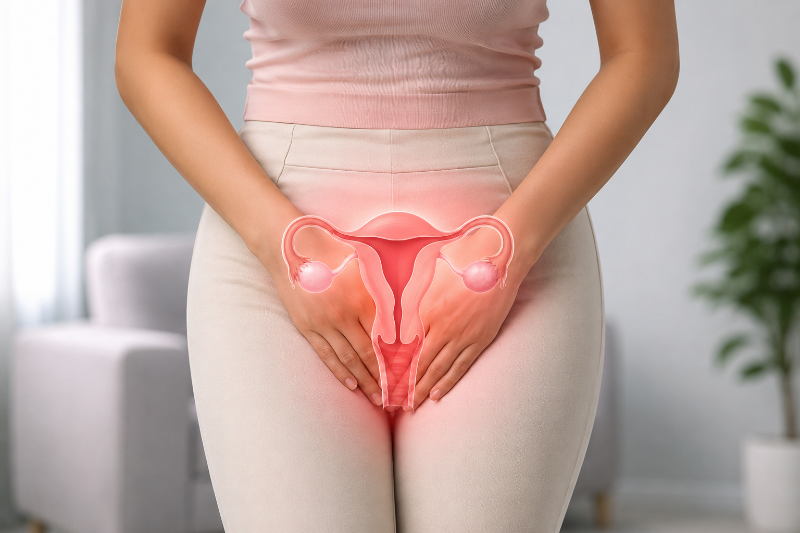
What Is Uterine Prolapse?
Uterine prolapse is a common pelvic floor disorder that occurs when the muscles, ligaments, and connective tissues supporting the uterus gradually weaken or stretch. As these supportive structures lose their strength and elasticity, they are no longer able to keep the uterus in its normal position. As a result, the uterus descends into the vaginal canal and, in more advanced cases, may partially or completely protrude through the vaginal opening.
Symptoms of Uterine Prolapse
The symptoms of uterine prolapse vary depending on how far the uterus has descended. Mild cases may cause no noticeable symptoms, while moderate to severe prolapse can interfere with daily activities and significantly affect a woman's quality of life.
Common symptoms of uterine prolapse include:
- A persistent feeling of heaviness or pressure in the pelvic area.
- A bulge or tissue protruding from the vaginal opening.
- Difficulty urinating or a sensation that the bladder does not empty completely.
- Chronic constipation or difficulty passing stool.
- Lower back pain that worsens after prolonged standing or physical activity.
- Increased vaginal discharge, sometimes accompanied by light vaginal bleeding.
Causes of Uterine Prolapse
Uterine prolapse develops when the pelvic floor muscles and ligaments that support the uterus become weakened. Several factors can increase pressure on the pelvic floor or reduce the strength of these supporting tissues, increasing the risk of uterine prolapse.
The most common causes include:
- Multiple vaginal deliveries, especially after a difficult labor or delivering a large baby.
- Reduced estrogen levels after menopause, leading to weakened pelvic floor muscles and connective tissues.
- Chronic coughing or long-term constipation, both of which repeatedly increase abdominal pressure.
- Obesity or excess body weight, which places additional strain on the pelvic floor.
- Aging, as muscles and ligaments naturally lose strength and elasticity over time.
- Frequent heavy lifting or physically demanding activities that increase pressure on the pelvic floor.
Stages of Uterine Prolapse
Healthcare providers classify uterine prolapse into four stages based on the severity of the condition:
- Stage 1: The uterus descends into the upper portion of the vagina.
- Stage 2: The cervix moves downward and reaches or approaches the vaginal opening.
- Stage 3: The cervix or part of the uterus protrudes outside the vaginal opening.
- Stage 4: The uterus completely protrudes outside the vagina. This is known as complete uterine prolapse.
Complications of Uterine Prolapse
Without timely diagnosis and treatment, uterine prolapse may lead to complications that can affect both comfort and quality of life.
Possible complications include:
- Ulcers and irritation of the exposed cervical tissue due to continuous friction.
- Recurrent urinary tract infections and difficulty controlling bladder function.
- Pelvic organ prolapse involving nearby organs, such as the bladder (cystocele) or rectum (rectocele).
What Is the Difference Between Uterine Prolapse and Vaginal Prolapse?
Although these conditions share similar symptoms, they affect different pelvic structures.
Uterine prolapse occurs when the uterus itself descends from its normal position into the vaginal canal because of weakened pelvic support.
Vaginal prolapse refers to the weakening or collapse of the vaginal walls, allowing nearby organs, such as the bladder or rectum, to bulge into the front or back wall of the vagina.
How Can You Check for Uterine Prolapse at Home?
A self-examination may help you notice possible signs of uterine prolapse, but it cannot confirm the diagnosis. A proper evaluation by an obstetrician and gynecologist is essential.
Possible signs include:
- Feeling a soft bulge or lump near the vaginal opening when gently inserting a clean finger.
- Noticing that the cervix feels lower than usual.
- Experiencing pelvic heaviness or pressure during the examination.
Important: A self-check should never replace a medical examination, especially if symptoms are associated with pain, difficulty urinating, or problems with bowel movements.
Does Uterine Prolapse Affect Sexual Intercourse?
Yes. Uterine prolapse can affect sexual activity and intimacy, particularly in moderate to severe cases. Some women experience pain, discomfort, or a sensation of pressure during intercourse because the uterus and surrounding tissues have shifted from their normal position. These physical symptoms may also lead to emotional stress, reduced sexual confidence, and decreased sexual satisfaction for both partners. Seeking medical evaluation and appropriate treatment can often help improve comfort and restore quality of life.
Can Uterine Prolapse Be Treated Without Surgery?
Yes. Mild to moderate uterine prolapse can often be managed without surgery. The most appropriate treatment depends on the severity of the prolapse, the patient's symptoms, overall health, and future pregnancy plans.
Non-surgical treatment options include:
- Vaginal pessary: A removable silicone device inserted into the vagina to support the uterus and help keep it in its normal position.
- Pelvic floor physical therapy: Specialized exercises and rehabilitation programs, including pelvic floor muscle training (Kegel exercises), to strengthen the muscles that support the uterus.
- Topical estrogen therapy: For postmenopausal women, a healthcare provider may recommend vaginal estrogen to improve the strength and elasticity of vaginal and pelvic tissues.
How Is Uterine Prolapse Surgery Performed?
Surgery may be recommended for advanced uterine prolapse or when conservative treatments fail to relieve symptoms. The surgical approach depends on the stage of prolapse, the patient's age, overall health, and whether she wishes to have children in the future.
Common surgical options include:
- Uterine suspension (uterine prolapse repair): A reconstructive procedure that strengthens the pelvic ligaments and connective tissues to restore the uterus to its normal position while preserving the uterus.
- Hysterectomy: In severe cases, particularly for women who no longer plan to become pregnant, the uterus may be removed to permanently treat the prolapse.
Which Doctor Treats Uterine Prolapse?
An obstetrician and gynecologist (OB-GYN) is the primary specialist responsible for diagnosing and treating uterine prolapse. If surgery is required, patients may also be referred to a urogynecologist or a specialist in female pelvic medicine and reconstructive surgery for advanced treatment.
Is Uterine Prolapse Surgery Painful?
Uterine prolapse surgery is typically performed under general or regional anesthesia, so patients do not experience pain during the procedure. Mild to moderate pelvic discomfort is common during the first few days after surgery, but it is usually well controlled with prescribed pain medications. Recovery time varies depending on the surgical technique and the patient's overall health.
Conclusion
A diagnosis of uterine prolapse does not automatically mean surgery is necessary. Many women achieve significant symptom relief with conservative treatments such as pelvic floor therapy, vaginal pessaries, and lifestyle modifications. When surgery is required, several safe and effective procedures are available to restore pelvic support and improve quality of life.
Early diagnosis plays a vital role in preventing complications and improving treatment outcomes. If you are experiencing symptoms such as pelvic pressure, a vaginal bulge, urinary problems, or persistent pelvic discomfort, consult an OB-GYN for a comprehensive evaluation and a personalized treatment plan.
If you still need a doctor’s consultation regarding this condition, you can easily book an appointment through Vezeeta.
Related Keywords




References
https://my.clevelandclinic.org/health/diseases/16030-uterine-prolapse
https://www.mayoclinic.org/diseases-conditions/uterine-prolapse/symptoms-causes/syc-20353458
https://www.mayoclinic.org/diseases-conditions/uterine-prolapse/diagnosis-treatment/drc-20353464
https://www.nhs.uk/conditions/pelvic-organ-prolapse/
https://www.webmd.com/women/prolapsed-uterus