Do Fibroids Affect Fertility? When Do They Need to Be Removed?
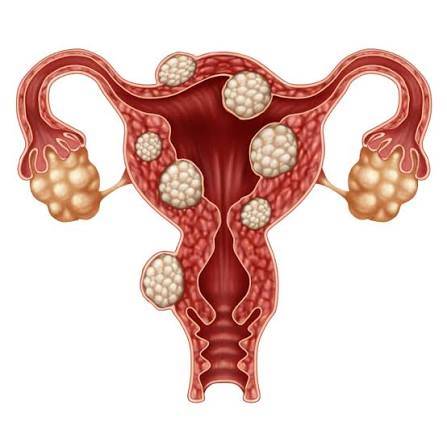
What Are Uterine Fibroids and How Do They Form?
Picture a small area of the uterine muscle that starts to overgrow, then keeps getting bigger little by little. That's basically what a uterine fibroid is: a benign growth made of muscle cells and fibrous tissue in the uterus.
You might have just one fibroid, or several at once. They also vary in size and location. Some stay tiny. Others grow big enough to change the shape of the uterus or press on nearby organs.
What Feeds a Uterine Fibroid?
Like any tissue in your body, a fibroid needs blood, oxygen, and nutrients to keep growing. Fibroids also respond to female hormones, which is why they're most common during the reproductive years.
After menopause, when hormone levels drop, some fibroids stop growing or even shrink.
So finding a fibroid doesn't mean it'll keep growing, or that it has to be removed.
What Are the Symptoms of Uterine Fibroids?
Some women live with fibroids for years without knowing. There are no obvious symptoms, and the fibroid is often found by chance during a checkup or an ultrasound.
When symptoms do show up, they can include:
- Heavy periods, or bleeding that lasts longer than usual
- Painful periods
- Pain or pressure in the lower belly and pelvis
- A feeling of fullness or bloating in your abdomen
- Needing to pee often or urgently, because the fibroid presses on the bladder
- Constipation or pain with bowel movements if the fibroid presses on the rectum
- Pain or discomfort during sex
- Trouble getting pregnant, in some cases
Heavy bleeding from fibroids can also lead to low iron and anemia. That can leave you tired, weak, and dealing with headaches.
Are Uterine Fibroids Dangerous?
Usually, no. A uterine fibroid is benign, not cancer, and benign fibroids don't typically turn into cancer. Still, unusual symptoms need a medical check. That includes abnormal vaginal bleeding, a new or growing lump, or pelvic pain that won't go away. Symptoms alone can't tell you what a mass in the uterus really is. In some cases, your doctor may need imaging tests or a tissue sample to reach a diagnosis.
At What Size Does a Fibroid Become Dangerous?
There's no rule that says a fibroid turns dangerous at a certain size. Size is only one of the things that decide whether you need treatment.
A large fibroid might cause no symptoms and need no immediate treatment. A smaller one, on the other hand, can cause real trouble if it sits somewhere that affects the uterine cavity or presses on a nearby organ.
That's why your doctor looks at:
- The size of the fibroid
- How many fibroids there are
- Where it sits in the uterus
- How severe your symptoms are
- Whether it affects the uterine cavity
- Bleeding that's causing anemia
- Any possible effect on fertility and pregnancy
- Your age and whether you want to get pregnant in the future
So the better question isn't just "How big is my fibroid?" It's "Is this fibroid causing symptoms, or affecting my uterus or my fertility?"
When Does a Fibroid Need to Be Removed?
Not every uterine fibroid needs to come out. If it's small and isn't causing symptoms, your doctor may simply keep an eye on it with the right follow-up tests.
Removal may be on the table when the fibroid:
- Causes heavy or repeated uterine bleeding
- Leads to anemia that can't be properly controlled
- Causes ongoing pain or pressure that gets in the way of daily life
- Presses on the bladder or bowel and causes clear symptoms
- Affects the uterine cavity or is linked to fertility problems, depending on where it is
- Keeps causing symptoms, or makes them worse, despite medication
- Creates obvious problems because of its size or location
Your doctor will choose the treatment based on the size, number, and location of your fibroids, and on whether you want to preserve your fertility.
Do Fibroids Affect Fertility and Pregnancy?
This is where things really vary from one woman to another.
Fibroids that grow into the uterine cavity, called submucosal fibroids, can change the shape of the cavity. In some women, they're linked to trouble getting pregnant.
Fibroids inside the uterine wall or on its outer surface may not affect fertility at all, especially if they're small and don't change the shape of the cavity.
So a fibroid doesn't automatically mean you'll have problems conceiving. It depends on where it is, how big it is, and how it relates to the uterine cavity. In certain cases, removing some fibroids (especially those affecting the cavity) can be part of a fertility treatment plan.
Can You Get Pregnant With Fibroids?
Yes. Lots of women get pregnant with fibroids, especially when the fibroids aren't large and don't affect the uterine cavity.
That said, some fibroids are linked to a higher risk of certain pregnancy complications, or they may cause pelvic pain and pressure. It depends on their size, location, and number.
If you're planning a pregnancy and you have a fibroid, talk it over with your OB-GYN before deciding on treatment or removal.
How Are Uterine Fibroids Treated?
There's no single treatment that works for everyone. The right approach depends on your symptoms, the fibroid's size, location, and number, your age, and whether you want to get pregnant later.
1. Monitoring
If the fibroid isn't causing symptoms, or they're mild, regular checkups and follow-up scans may be all you need.
2. Medication
Your doctor may prescribe medicine to ease symptoms like pain or heavy periods. In some cases, hormonal medications help control bleeding or reduce symptoms.
If repeated bleeding has lowered your iron levels, you might also need treatment for iron deficiency or anemia.
3. Uterine Artery Embolization (Catheter Procedure by Interventional Radiology)
Uterine artery embolization (UAE) is a minimally invasive procedure that cuts down the blood flow to fibroids. This helps them shrink and can improve symptoms in some women.
It isn't right for everyone, though, particularly if you're planning a pregnancy. Ask your doctor about its possible effect on fertility before choosing it.
4. Myomectomy (Fibroid Removal)
A myomectomy removes the fibroids and leaves the uterus in place. That makes it an important option for women who want to keep the possibility of pregnancy, depending on the case and where the fibroids are.
It can be done in different ways: laparoscopic surgery, open surgery, or hysteroscopy, based on the size, number, and location of the fibroids.
5. Hysterectomy
A hysterectomy removes the uterus, so pregnancy is no longer possible afterward. It may be the right choice in specific cases, especially when symptoms are severe or uterus-sparing options aren't a good fit.
Can Fibroids Go Away on Their Own?
There's no way to predict that every fibroid will disappear by itself. But some do shrink after menopause, as hormone levels fall.
If your fibroid isn't causing symptoms, your doctor may suggest watching it rather than jumping straight to surgery.
When Should You See a Doctor About a Fibroid?
See a gynecologist if you have heavy uterine bleeding, ongoing pelvic pain, noticeable pressure in your lower belly, or new urinary or bowel symptoms.
And if you have a uterine fibroid and you're planning a pregnancy, or struggling to conceive, getting its location, size, and effect on the uterine cavity checked will help you and your doctor figure out the next step.
At the end, a fibroid isn't automatically dangerous, and it doesn't automatically mean surgery. Most are benign and quiet. What decides the next step is where it is, what it's doing, and your plans for pregnancy, not its size alone.
If you still need a doctor’s consultation regarding this condition, you can easily book an appointment through Vezeeta.
Related Keywords

Specialized Doctors

Maher Elshazly
Consultant in Obstetrics, Gynecology, Infertility, ICSI, Gynecological Surgeries and Endoscopy, Al-Azhar Medicine

Habiba Osama
Specialist in Obstetrics and Gynecology

Mohammed Rizk
Consultant in Obstetrics, Gynecology and Infertility
References
https://www.mayoclinic.org/diseases-conditions/uterine-fibroids/symptoms-causes/syc-20354288
https://www.acog.org/womens-health/faqs/uterine-fibroids
https://www.acog.org/womens-health/faqs/uterine-artery-embolization
https://my.clevelandclinic.org/health/diseases/9130-uterine-fibroids
https://health.clevelandclinic.org/can-fibroids-affect-your-chances-of-getting-pregnant-or-having-a-healthy-pregnancy
https://my.clevelandclinic.org/health/treatments/15448-myomectomy
https://pmc.ncbi.nlm.nih.gov/articles/PMC8391505/
Specialized Doctors
Maher Elshazly
Consultant in Obstetrics, Gynecology, Infertility, ICSI, Gynecological Surgeries and Endoscopy, Al-Azhar Medicine
Habiba Osama
Specialist in Obstetrics and Gynecology
Mohammed Rizk
Consultant in Obstetrics, Gynecology and Infertility