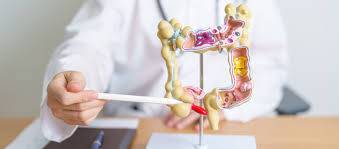
Medical Articles about Gastroenterology and Endoscopy
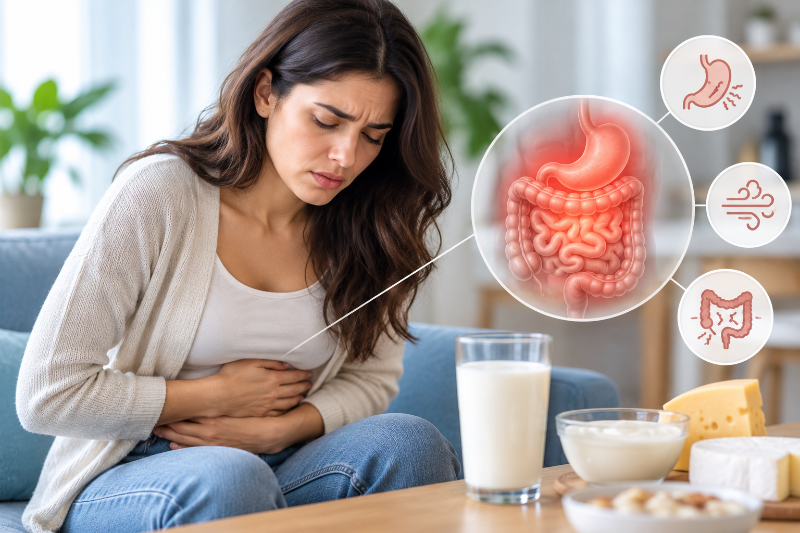
When Do Lactose Intolerance Symptoms Appear, and How Can You Tell Them Apart from a Milk Allergy?
You may drink a glass of milk or eat a meal containing cheese, then notice abdominal bloating, uncomfortable gas, or diarrhea shortly afterward. If these symptoms keep happening, you may wonder whether you have lactose intolerance or a milk allergy. The two conditions can share some symptoms, but they differ in their causes and management. This article explains the symptoms of lactose intolerance, when they appear after consuming milk, and how lactose intolerance differs from a milk protein allergy. It also covers foods you may be able to eat and ways to control your symptoms.
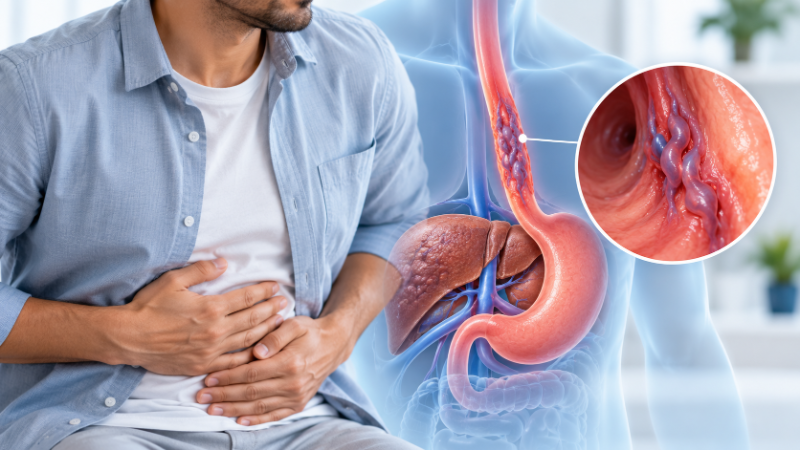
Esophageal Varices: Causes and Their Relationship to Liver Cirrhosis
You may live with esophageal varices for some time without noticing any clear symptoms, then discover them during a liver examination or endoscopy. Although they may not cause symptoms at first, they can become dangerous if bleeding occurs. This article explains the causes of esophageal varices, their relationship to liver cirrhosis, their symptoms, severity, treatment options, and esophageal variceal banding, along with important questions people with this condition may search for.
What Causes Fecal Incontinence? And Can It Be Treated Without Surgery?
You might start noticing that bathroom trips become sudden and urgent. Or maybe you're having a harder time holding in gas or putting off a bowel movement until you actually reach the toilet. These symptoms can show up once in a while or keep coming back. Either way, it's worth knowing that fecal incontinence is a real medical issue with identifiable causes, and in many cases, it can be treated or significantly improved. This article walks you through what causes fecal incontinence, what it feels like, how it's treated, and when it's time to see a doctor.

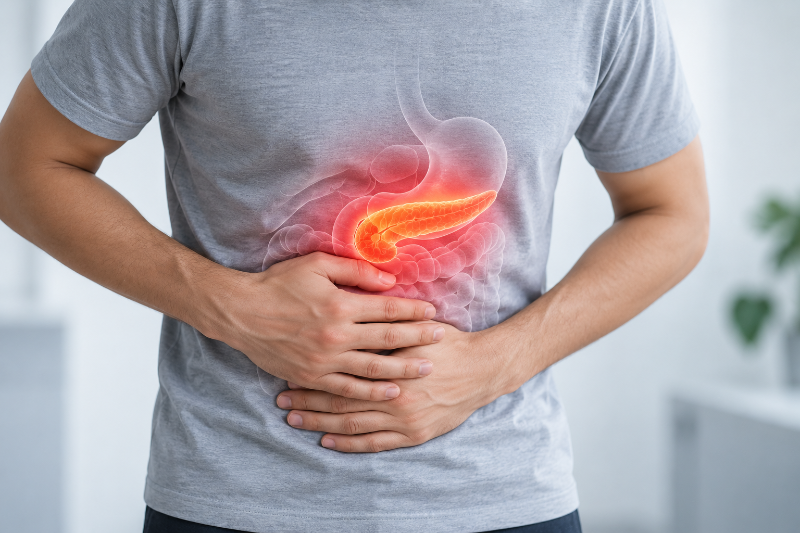
Is Pancreatitis Dangerous? Symptoms, Causes, and Treatment
Sharp pain high in the abdomen, nausea, and maybe repeated vomiting. At first glance, it looks like a stomach problem. But these could be signs of pancreatitis, especially if the pain sticks around or travels to your back. Severity varies from one person to the next. Some people deal with a mild flare-up that clears with treatment; others face a more serious episode that calls for close medical monitoring. So when is it mild, and when does it cross into dangerous territory? And what causes it in the first place?
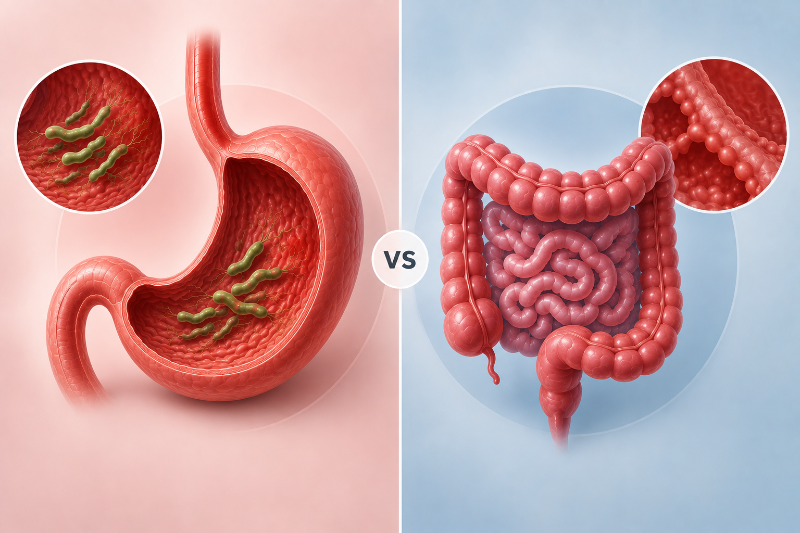
What's the Difference Between IBS Symptoms and H. Pylori?
Figuring out what's behind your stomach pain, bloating, or digestive issues isn't always straightforward, especially when IBS and H. pylori symptoms overlap so much. But these are two very different conditions. IBS is a functional disorder of the large intestine, while H. pylori is a bacterial infection that targets the stomach lining. Here's how to tell them apart and when it's time to get medical help.
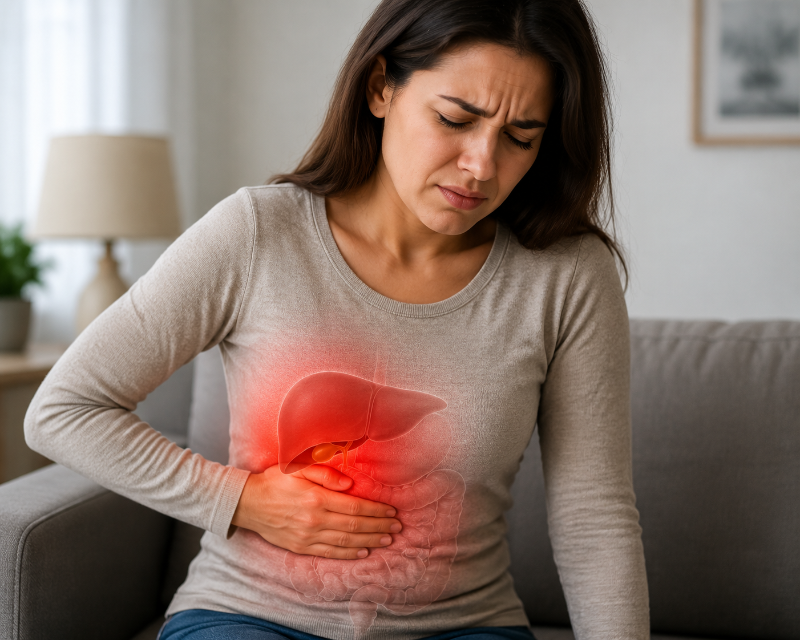
What Are Gallstones? Symptoms, Causes, and Treatment Methods
Many people are surprised to learn they have Gallstones after years of silent formation without any noticeable symptoms. These stones are solid deposits that form inside the gallbladder and may remain asymptomatic for a long time or suddenly cause severe pain, especially after fatty meals. Symptom severity varies from person to person, and women are particularly more likely to develop them. In this article, we explain the causes and symptoms of gallstones, along with the available treatment options, including both medication and surgery.
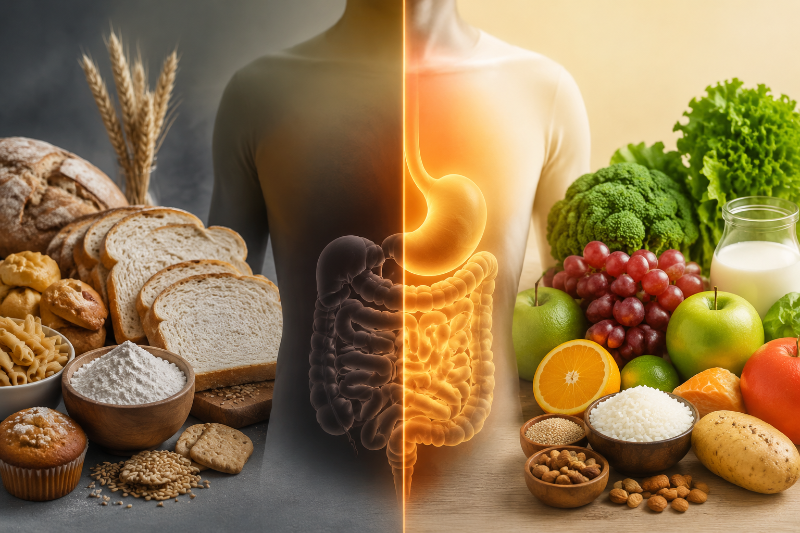
What is the difference between celiac disease and gluten sensitivity?
If you experience bloating and persistent fatigue every time you eat bread, pasta, or any food made from wheat, your body may be sending you a warning sign. Two common conditions could be responsible: celiac disease and gluten sensitivity. Although their symptoms may sometimes seem similar, the difference between them is significant in terms of severity and how each condition should be managed. In this article, learn about the key differences between the two conditions and how to distinguish between them to reach the right diagnosis.
Cholecystitis vs. Stomach Pain: Key Symptoms and Differences
Have you ever felt a sudden, sharp pain in your upper abdomen that radiates to your right shoulder? This may be a warning sign from your gallbladder indicating inflammation that requires immediate attention. Cholecystitis is a medical condition that requires careful evaluation, as ignoring its symptoms may lead to serious complications. In this article, we explain the nature of this condition, its most common symptoms, and how to distinguish it from common stomach problems.
Persistent abdominal pain? Learn more about Irritable Bowel Syndrome (IBS)
Do you suffer from uncomfortable bloating or sudden abdominal pain that disrupts your day? Irritable Bowel Syndrome (IBS) may be the cause behind these troubles. In this article, we simply explain the difference between IBS and colitis, the most common symptoms, and the food triggers you should avoid, along with practical tips to restore your digestive comfort and manage stress effectively.
Symptoms of colon cancer – how to detect it early and what is its treatment?
The body sometimes sends small signals that many people ignore—mild abdominal pain, changes in bowel habits, or slight blood in the stool. These may seem normal, but in some cases they are the first signs of colon cancer. This disease is highly treatable if detected in its early stages, which is exactly why awareness of its symptoms is extremely important.