Helicobacter Pylori Infection: How to Recognize the Symptoms and Treat It
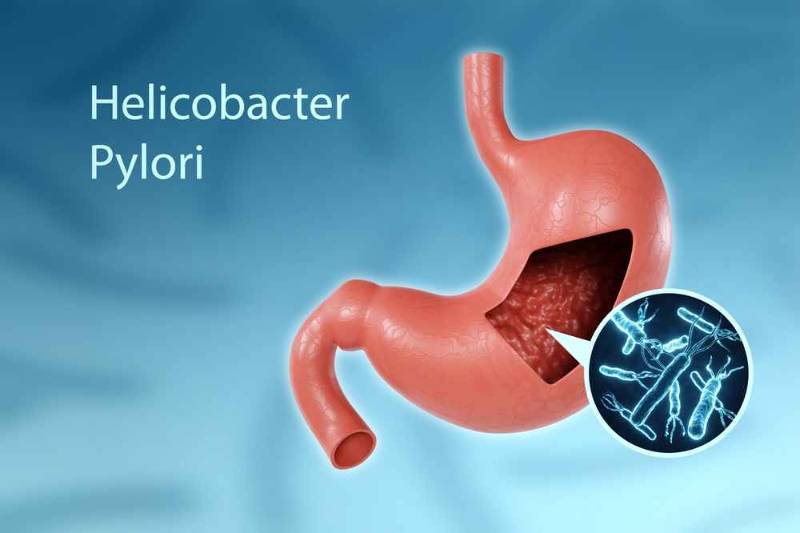
H. pylori infection occurs due to the transmission of Helicobacter pylori bacteria into the stomach, leading to several symptoms, the most common being stomach ulcers.
Let’s explore together the causes, symptoms, tests, and treatments of H. pylori, and how to know if you’re infected, plus the best home and medical remedies.
What is H. pylori?
H. pylori is a spiral-shaped bacterium that can live in the stomach lining without being destroyed by stomach acid, thanks to its ability to secrete the enzyme urease, which converts urea into ammonia, creating a protective shield.
It is one of the most widespread infectious diseases worldwide, affecting 50–75% of people, and spreads through:
- Direct contact with an infected person or their body fluids (e.g., saliva).
- Eating or drinking contaminated food and water.
- Contact with the vomit or stool of an infected person.
What are the symptoms of H. pylori?
Once H. pylori reaches the stomach lining and duodenum, it multiplies, gradually eroding the tissue and causing ulcers.
Symptoms typically worsen when the stomach is empty, especially at night, and include:
- Pain 2–3 hours after meals.
- Pain above the navel, just below the ribs.
- Pain relief after eating or taking antacids.
- Recurring discomfort over days or weeks.
What are the Symptoms in Adults?
- Frequent burping.
- Weight loss.
- Loss of appetite.
- Bloating.
- Nausea and vomiting.
- Burning or pain in the upper stomach.
- Indigestion.
- Blood in stool, urine, or vomit (in advanced cases).
What are Symptoms in Children?
- Bloating.
- Nausea and vomiting.
- Stomach pain or burning.
- Bleeding stomach ulcers leading to:
- Dark stools or blood in stool.
- Blood in vomit.
What are Psychological Symptoms?
Studies show a link between H. pylori infection and depression, stress, and poor sleep, due to reduced ghrelin (the hunger hormone) and digestive discomfort.
What are Causes & Risk Factors?
Risk increases with:
- Close contact with infected people.
- Living in crowded or unsanitary environments.
- Drinking unsafe water.
- Eating contaminated food.
What are the Diagnostic Tests for H. pylori?
Doctors start with a physical exam and patient history, followed by tests such as:
- Stool test (culture or antigen test).
- Blood test (antibodies).
- Breath test (carbon-labeled urea test).
- Endoscopy (to detect ulcers and collect biopsies).
Note: Some medications (antibiotics, proton pump inhibitors, bismuth, H2 blockers) must be stopped 4 weeks before testing.
What is theTreatment of H. pylori?
Treatment usually lasts 2 weeks, aiming to eliminate the bacteria and heal the stomach.
- Medications:
- Two antibiotics (e.g., Amoxicillin, Metronidazole, Clarithromycin, Rifabutin).
- Proton pump inhibitors (Omeprazole, Esomeprazole, Pantoprazole).
- Bismuth subsalicylate (for diarrhea).
- H2 receptor blockers (as an alternative to PPIs).
- Triple Therapy: 2 antibiotics + 1 proton pump inhibitor.
- Home Remedies (supportive):
- Green tea.
- Olive oil.
- Turmeric.
- Honey.
- Licorice root.
- Broccoli sprouts.
- Probiotics.
- Licorice Drink:
- Helps prevent bacterial adhesion to the stomach lining, promotes ulcer healing, and improves digestion. However, excessive use may cause side effects and drug interactions, so medical advice is necessary.
Conclusion
H. pylori infection may remain silent in early stages, but when symptoms like stomach pain, burning, and indigestion appear, diagnosis and treatment are essential. With proper medications and supportive home remedies, H. pylori can be fully treated, preventing ulcers and serious complications.
If you still need to consult a doctor regarding this condition, you can easily book an appointment through Vezeeta
Related Keywords
Specialized Doctors

Andre atef Saweras
consultant of Gastrointestinal Diseases, Liver Diseases, Endoscopy, and Infectious Diseases - Faculty of Medicine (Kasr El Aini).

Ahmed Almarakby
Consultant in internal medicine, digestive system, liver and endoscopy

Ahmed Amer Afifi
Consultant of Gastroenterology , Endoscopy And Hepatology Faculty of medicine Al Azhar University
References
Mayo Clinic. (2024). Helicobacter pylori (H. pylori) infection: Diagnosis & treatment.
Retrieved from: https://www.mayoclinic.org/diseases-conditions/h-pylori/diagnosis-treatment/drc-20356177
Mayo Clinic. (2024). Peptic ulcer: Diagnosis & treatment.
Retrieved from: https://www.mayoclinic.org/diseases-conditions/peptic-ulcer/diagnosis-treatment/drc-20354229
Mayo Clinic Press. (2024). Peptic ulcers and H. pylori: Current treatment approaches.
Retrieved from: https://mcpress.mayoclinic.org/healthygut/peptic-ulcers
American College of Gastroenterology (ACG). (2024, September). ACG Clinical Guideline: Treatment of Helicobacter pylori Infection.
Retrieved from: https://gi.org/guidelines/
Specialized Doctors
Andre atef Saweras
consultant of Gastrointestinal Diseases, Liver Diseases, Endoscopy, and Infectious Diseases - Faculty of Medicine (Kasr El Aini).
Ahmed Almarakby
Consultant in internal medicine, digestive system, liver and endoscopy
Ahmed Amer Afifi
Consultant of Gastroenterology , Endoscopy And Hepatology Faculty of medicine Al Azhar University