What is the difference between celiac disease and gluten sensitivity?
What is Celiac Disease?
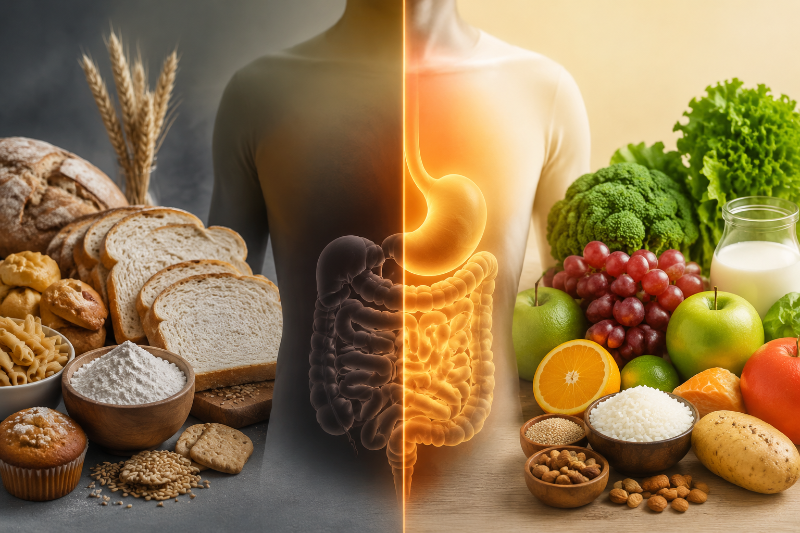
Celiac disease, also known as gluten-sensitive enteropathy, is a chronic autoimmune disorder that affects the small intestine. An autoimmune disease means the body’s immune system mistakenly attacks its own cells instead of targeting harmful external microbes.
This immune reaction occurs specifically when a person with celiac disease eats foods containing gluten, a protein found in wheat, barley, and rye. The immune system then attacks the lining of the small intestine, particularly the intestinal villi—tiny finger-like projections whose main function is absorbing nutrients from food.
When these villi become damaged, the body can no longer properly absorb iron, calcium, vitamins, and essential minerals, which can lead to serious long-term health complications.
What Are the Symptoms of Celiac Disease in Adults and Children?
One reason celiac disease is difficult to diagnose is that it has more than 200 possible symptoms, and these vary greatly from person to person. Many patients are diagnosed with other conditions before the true cause is discovered.
Symptoms of Celiac Disease in Adults
In adults, symptoms are often non-digestive and may appear in different parts of the body, including:
- Persistent severe fatigue that does not improve with rest
- Iron-deficiency anemia that does not respond to iron supplements
- Early-onset osteoporosis due to calcium and vitamin D deficiency
- An itchy skin rash with bumps or blisters on the elbows, knees, and buttocks, medically known as dermatitis herpetiformis
Symptoms of Celiac Disease in Children
In children, symptoms may present differently and include:
- Recurring abdominal pain with no clear cause
- Noticeable delayed growth and shorter height compared with peers
- Delayed puberty and difficulties with learning or concentration
Contrary to common belief, diarrhea occurs in only about 10% of pediatric cases, and some children with celiac disease may even be overweight rather than underweight.
What Is the Difference Between Celiac Disease and Gluten Sensitivity?
People often confuse celiac disease with non-celiac gluten sensitivity, which is understandable because the symptoms can look similar. However, the difference is significant.
Celiac Disease
Celiac disease is a scientifically recognized autoimmune disorder that causes measurable damage to the intestinal lining.
Diagnosis usually involves:
- A blood test to detect specific antibodies
- A biopsy of the small intestine through endoscopy
If a patient continues consuming gluten, they risk serious long-term complications, including:
- Osteoporosis
- Certain rare cancers
Gluten Sensitivity
A person with gluten sensitivity may experience symptoms such as:
- Bloating
- Diarrhea
- Fatigue
However:
- Blood tests show no celiac antibodies
- Endoscopy shows no intestinal damage
Symptoms often improve after avoiding gluten, and some individuals can tolerate small amounts without worsening.
The Gluten-Free Diet
Currently, there is no medication that cures celiac disease. The only medically approved treatment is complete and lifelong elimination of gluten from the diet.
With strict adherence, symptoms often improve within a few weeks, though the intestine may take years to fully heal.
Foods to Avoid with Celiac Disease
People with celiac disease must avoid all forms of wheat, as well as barley and rye, and foods made from them, such as:
- Bread
- Pasta
- Biscuits
- Cakes
- Pastries
- Pizza
Many processed foods also contain hidden gluten used as a binder or flavor enhancer, including:
- Sausages
- Instant soups
- Sauces
- Soup powders
Even some medications and dietary supplements may contain wheat starch as a filler, so ingredients should always be checked carefully.
Safe Foods for People with Celiac Disease
People with celiac disease should focus on foods that are naturally gluten-free, such as:
- Fresh meat, poultry, and fish (not pre-seasoned or processed)
- Eggs
- Dairy products such as cheese, butter, and milk
- Fresh fruits and vegetables of all kinds
- Gluten-free starches and grains such as rice, corn, potatoes, quinoa, and buckwheat
- Legumes such as lentils, fava beans, and chickpeas
Can Celiac Disease Be Completely Cured?
At present, there is no permanent medical cure for celiac disease. However, strict lifelong adherence to a gluten-free diet allows the intestines to heal significantly, and symptoms gradually disappear over time.
When Should You See a Doctor?
You should consult a gastroenterologist if you notice any of the following:
- Chronic diarrhea
- Recurrent constipation with no clear explanation
- Unintentional weight loss with persistent fatigue or anemia that does not improve with iron supplements
- Noticeable delay in a child’s growth or puberty
- Recurrent itchy skin rash, especially on the elbows and knees
- A family history of celiac disease
In conclusion, although celiac disease and gluten sensitivity may share similar symptoms, they differ greatly in cause, diagnosis, and impact on the body. Proper diagnosis is essential for choosing the right dietary approach and preventing complications.
If you frequently experience symptoms after eating gluten-containing foods, do not ignore them—consult a doctor to identify the real cause and receive appropriate treatment.
If you still need medical advice regarding this condition, you can easily book an appointment through Vezeeta.
Related Keywords

Specialized Doctors

Andre atef Saweras
consultant of Gastrointestinal Diseases, Liver Diseases, Endoscopy, and Infectious Diseases - Faculty of Medicine (Kasr El Aini).

Ahmed Almarakby
Consultant in internal medicine, digestive system, liver and endoscopy
khaled El Hamaky
Gastro and Internal Medicine Specialist
References
- https://www.nhs.uk/conditions/coeliac-disease/treatment/
- https://www.webmd.com/digestive-disorders/celiac-disease/celiac-disease
- https://www.healthline.com/nutrition/gluten-food-list
- https://www.nhs.uk/conditions/coeliac-disease/treatment/
- https://www.webmd.com/digestive-disorders/celiac-disease/celiac-disease-what-to-eat-and-not-eat
Specialized Doctors
Andre atef Saweras
consultant of Gastrointestinal Diseases, Liver Diseases, Endoscopy, and Infectious Diseases - Faculty of Medicine (Kasr El Aini).
Ahmed Almarakby
Consultant in internal medicine, digestive system, liver and endoscopy
khaled El Hamaky
Gastro and Internal Medicine Specialist