Peptic Ulcers : How to Deal with? Your Comprehensive Guide to Causes and Symptoms
What Is a Stomach Ulcer?
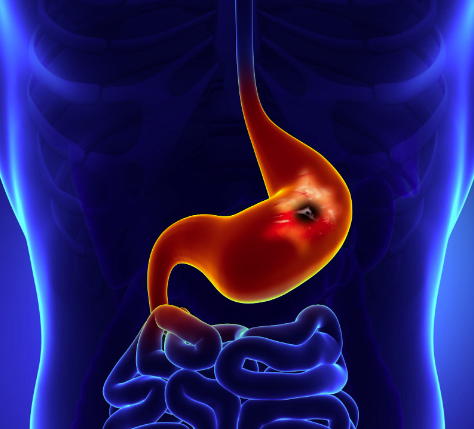
A stomach ulcer is a small sore that develops in the inner lining of the stomach. These ulcers occur when the protective mucus layer of the stomach weakens, allowing stomach acids to damage and irritate the tissues. A stomach ulcer usually appears as small craters in the stomach wall and can cause persistent pain if left untreated.
What Is the Difference Between Gastritis and a Stomach Ulcer?
The main difference lies in the depth of damage. Gastritis is a superficial irritation of the stomach lining, similar to skin redness or mild abrasion, whereas a stomach ulcer is a deeper wound that penetrates the stomach wall.
What Are the Symptoms of a Stomach Ulcer?
Symptoms vary from person to person depending on severity, but the most common sign is a burning pain in the middle of the upper abdomen. This pain often worsens when the stomach is empty and may temporarily improve after eating certain foods or taking antacids. Other common symptoms include:
- A feeling of fullness or bloating even after very small meals
- Recurrent nausea and an urge to vomit, especially in the morning
- Heartburn that may sometimes extend to the chest or throat
- Loss of appetite and noticeable weight loss
How Do I Know If I Have a Stomach Ulcer?
About 70% of ulcer patients are unaware of their condition. Symptoms usually appear as upper central abdominal pain and indigestion.
Pain intensity can range from mild discomfort to severe burning when stomach acid comes into contact with the stomach wall, causing symptoms to appear and disappear repeatedly.
The pain may lessen after eating foods that reduce acid effects and restore balance, but it often worsens between meals or at night.
What Is the Difference Between Stomach Ulcer Symptoms and Colon (IBS) Symptoms?
The key difference lies in the location, nature, and timing of the pain. Stomach ulcer pain is usually felt in the upper abdomen and is described as a burning sensation that worsens when the stomach is empty.
Colon pain, on the other hand, is typically located in the lower abdomen, is cramp-like, and often accompanied by severe bloating and gas. It usually improves after bowel movements, unlike stomach ulcer pain.
What Causes Stomach Ulcers?
Many people search for the causes of stomach ulcers, and the truth is that they are usually due to two main factors that disrupt the stomach’s biological balance.
The first and most common cause is infection with Helicobacter pylori (H. pylori), a bacterium that lives in the mucus layer and causes chronic inflammation.
The second cause is the excessive or long-term use of certain painkillers, such as aspirin and ibuprofen, which weaken the stomach’s ability to repair its lining.
How Can You Suspect a Stomach Ulcer at Home?
If you experience a burning pain in the upper abdomen that eases slightly after taking antacids or drinking water but returns when you are hungry, this is a strong indicator that requires medical evaluation.
How Are Stomach Ulcers Diagnosed?
Symptoms alone are not sufficient for diagnosis. The doctor first takes a medical history and asks about symptoms. Tests are then conducted to detect H. pylori, either through blood tests or a breath test.
For accurate confirmation, an upper endoscopy (gastroscopy) may be performed, during which a thin tube with a camera is inserted to directly view the ulcer and rule out complications or tumors.
How Are Stomach and Duodenal Ulcers Treated?
Treatment depends on the underlying cause.
If H. pylori infection is the cause, the doctor may prescribe what is known as triple therapy, which includes antibiotics and acid-reducing medications to eliminate the bacteria and protect the stomach.
If the bacteria are not the cause, treatment focuses on protecting the stomach and duodenal lining and allowing it to heal using proton pump inhibitors that reduce acid production and support tissue recovery.
Examples of Medications for Stomach and Duodenal Ulcers
Ulcer medications are usually taken for about two weeks and may include:
- Antibiotics: such as Metronidazole and Amoxicillin
- Acid-reducing medications: such as Famotidine
- (It is not recommended to take any medication without consulting a doctor.)
What Should a Stomach Ulcer Patient Eat?
Some foods may help combat H. pylori alongside medical treatment, including:
- Fruits and vegetables: apples, leafy greens, broccoli, and cauliflower
- Light proteins: lean meats, eggs, and seafood
- Healthy fats and probiotics: olive oil, nuts, honey, and yogurt
What Foods Are Forbidden for Stomach Ulcer Patients?
While some foods aid healing, others increase stomach irritation and worsen ulcers, so they should be avoided, including:
- Spicy and acidic foods
- Caffeinated beverages
- Fried, fatty foods, and fast food
- Milk, as it may increase acid secretion later
- Alcohol and smoking, as they impair tissue healing and delay recovery.
Stomach ulcers are a common digestive condition but are treatable when diagnosed early. Identifying and addressing the underlying cause—whether H. pylori infection or excess acid production—along with proper diet and a healthy lifestyle, completes the treatment journey, preserves stomach health, and makes daily life more comfortable.
If you still need to consult a doctor regarding this condition, you can easily book an appointment through Vezeeta
Related Keywords
Specialized Doctors

Andre atef Saweras
consultant of Gastrointestinal Diseases, Liver Diseases, Endoscopy, and Infectious Diseases - Faculty of Medicine (Kasr El Aini).

Ahmed Amer Afifi
Consultant of Gastroenterology , Endoscopy And Hepatology Faculty of medicine Al Azhar University

Ahmed Almarakby
Consultant in internal medicine, digestive system, liver and endoscopy
References
National Institute of Diabetes and Digestive and Kidney Diseases (NIDDK).
“Peptic Ulcer Disease (Stomach Ulcer).” Updated November 2021.
https://www.niddk.nih.gov/health-information/digestive-diseases/peptic-ulcer-disease
Malfertheiner, P., Chan, F. K. L., & McColl, K. E. L.
“Peptic ulcer disease.” Lancet. 2009;374(9699):1449–1461.
doi:10.1016/S0140-6736(09)60938-7
Ford, A. C., & Moayyedi, P.
“Treatment of Helicobacter pylori infection.” BMJ. 2019;367:l5888.
doi:10.1136/bmj.l5888
Cleveland Clinic.
“Peptic Ulcer Disease: Symptoms, Causes, and Treatment.”
https://my.clevelandclinic.org/health/diseases/10350-peptic-ulcer-disease
American College of Gastroenterology (ACG).
“ACG Clinical Guideline: Treatment of Helicobacter pylori Infection.”
Am J Gastroenterol. 2017;112(2):212–239.
doi:10.1038/ajg.2016.563
Specialized Doctors
Andre atef Saweras
consultant of Gastrointestinal Diseases, Liver Diseases, Endoscopy, and Infectious Diseases - Faculty of Medicine (Kasr El Aini).
Ahmed Amer Afifi
Consultant of Gastroenterology , Endoscopy And Hepatology Faculty of medicine Al Azhar University
Ahmed Almarakby
Consultant in internal medicine, digestive system, liver and endoscopy