Cholecystitis vs. Stomach Pain: Key Symptoms and Differences
What is Cholecystitis?
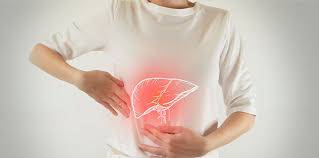
Cholecystitis is a condition that occurs when the wall of the gallbladder becomes inflamed. The gallbladder is the organ responsible for storing bile produced by the liver. In most cases, this inflammation occurs due to blockage of the bile duct that drains the gallbladder, usually caused by gallstones. This blockage leads to bile accumulation inside the gallbladder, causing pressure, inflammation, and swelling of the affected tissues. If left untreated, it may progress to a bacterial infection.
Symptoms of Acute Cholecystitis
Symptoms of acute cholecystitis require immediate medical attention when they appear suddenly, and may include the following:
- Severe and persistent pain in the upper abdomen, especially in the middle or right side.
- Pain that radiates to the right shoulder or back in many cases.
- The abdominal area becomes extremely tender when touched or pressed.
- Nausea and vomiting are common, often accompanied by fever.
- Pain tends to worsen significantly after eating fatty or greasy meals.
What Is the Difference Between Gallbladder Pain and Stomach Pain?
Many people confuse a gallbladder attack with common stomach problems such as acid reflux or indigestion.
However, there are important differences. Stomach pain is usually felt in the center of the abdomen or chest and often feels like burning, while gallbladder pain is sharp, localized on the right side, and does not improve with conventional antacids. Additionally, gallbladder attacks may last for several hours, whereas stomach pain is often more directly related to meal timing than to fatty food itself.
How Is Cholecystitis Diagnosed?
Diagnosis of cholecystitis depends on a combination of medical history, physical examination, and imaging tests. The doctor typically starts by examining the abdomen for tenderness or pain on palpation. Blood tests are then performed to check for signs of inflammation or liver dysfunction. The most important diagnostic tool is an abdominal ultrasound, which clearly shows gallstones and can detect thickening of the gallbladder wall or fluid buildup around it, helping confirm the diagnosis with high accuracy.
What Is the Treatment for Cholecystitis?
Treatment focuses on controlling inflammation and preventing complications. In the initial stage, the patient is usually admitted to the hospital to receive intravenous fluids, pain relievers, and antibiotics to treat or prevent infection.
Once the condition stabilizes, doctors often recommend cholecystectomy (gallbladder removal surgery), which is the most common and effective treatment. The body can function normally without the gallbladder. In rare cases, or for patients who cannot undergo surgery, procedures may be performed to drain fluid from the gallbladder, but surgery remains the definitive solution to prevent recurrent attacks.
Cholecystectomy (Gallbladder Removal Surgery)
When cholecystitis becomes recurrent or severe, the doctor may recommend surgical removal of the gallbladder (cholecystectomy). This is generally a routine and safe procedure. The body can still digest food normally without the gallbladder, as bile flows directly from the liver into the small intestine.
Foods to Avoid for Gallbladder Patients
Patients with gallbladder problems or those recovering from surgery are advised to avoid foods that place extra stress on the digestive system, such as:
- Fried foods: High in fat and stimulate gallbladder contractions.
- Full-fat dairy products: Such as yellow cheese and cream.
- Processed and fatty meats: Difficult to digest.
- Heavy sauces and rich desserts: Often contain hydrogenated oils.
How to Prevent Cholecystitis
Prevention mainly focuses on reducing the risk of gallstone formation, which is the primary cause of blockage and inflammation. This can be achieved through the following:
- Follow a balanced diet: Focus on fiber-rich foods such as fruits, vegetables, and whole grains to support digestive health.
- Reduce saturated fats: Limit fried foods and saturated fats, which may overstimulate the gallbladder.
- Maintain a healthy weight: Obesity increases cholesterol levels in bile, raising the risk of gallstone formation.
- Avoid rapid weight loss: Gradual weight loss is preferable, as crash diets can disrupt bile chemistry and accelerate gallstone formation.
Complications of Cholecystitis
Ignoring symptoms of cholecystitis or delaying medical care can lead to serious complications. One of the most dangerous is gangrene, or tissue death within the gallbladder, caused by severe swelling that restricts blood flow. This can lead to gallbladder rupture, causing bile leakage into the abdominal cavity, which is a life-threatening medical emergency.
In addition, bacterial infection may spread from the inflamed gallbladder to other parts of the body, or gallstones may migrate and block the bile ducts.
Conclusion
In conclusion, symptoms of cholecystitis should never be ignored, especially when pain persists or recurs. Early diagnosis and prompt medical intervention can help prevent complications and significantly improve treatment outcomes.
If you still need to consult a doctor regarding this condition, you can easily book an appointment through Vezeeta.
Related Keywords
Specialized Doctors

Andre atef Saweras
consultant of Gastrointestinal Diseases, Liver Diseases, Endoscopy, and Infectious Diseases - Faculty of Medicine (Kasr El Aini).

Ahmed Almarakby
Consultant in internal medicine, digestive system, liver and endoscopy

Ahmed Amer Afifi
Consultant of Gastroenterology , Endoscopy And Hepatology Faculty of medicine Al Azhar University
References
https://my.clevelandclinic.org/health/diseases/15265-gallbladder-swelling--inflammation-cholecystitis
https://emedicine.medscape.com/article/171886-overview
https://www.nhs.uk/conditions/acute-cholecystitis/
https://www.ncbi.nlm.nih.gov/books/NBK459171/
https://www.health.harvard.edu/a_to_z/cholecystitis-a-to-z
Specialized Doctors
Andre atef Saweras
consultant of Gastrointestinal Diseases, Liver Diseases, Endoscopy, and Infectious Diseases - Faculty of Medicine (Kasr El Aini).
Ahmed Almarakby
Consultant in internal medicine, digestive system, liver and endoscopy
Ahmed Amer Afifi
Consultant of Gastroenterology , Endoscopy And Hepatology Faculty of medicine Al Azhar University