Symptoms of colon cancer – how to detect it early and what is its treatment?
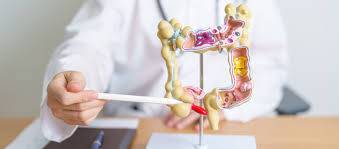
What is Colon Cancer?
Colon cancer (colorectal cancer) is an abnormal growth of cells in the colon (large intestine) or rectum. It often begins as small, benign growths known as polyps, which can gradually turn into cancerous cells if left untreated.
Colon cancer is one of the most common cancers worldwide, yet it is also one of the most treatable when detected early.
What Are the Early Symptoms of Colon Cancer?
In its early stages, colon cancer may not cause noticeable symptoms, which makes regular screening essential. However, early signs may include:
- A sudden change in bowel habits, such as persistent diarrhea or constipation without a clear cause.
- Blood in the stool or rectal bleeding, even in small amounts.
- Recurring abdominal pain or cramps with no clear explanation.
- A feeling that the bowel does not empty completely after a movement.
- Persistent bloating.
What Are the Symptoms of Colon Cancer in Women?
Generally, symptoms in women are similar to those in men, but there are subtle differences worth noting:
- Pelvic or lower abdominal pain may be mistaken for menstrual pain, delaying diagnosis.
- Unexplained fatigue and anemia may be more noticeable in women.
- Some studies suggest nausea and vomiting may be more common among affected women.
For this reason, women are advised not to ignore unusual digestive symptoms or always attribute them to hormonal causes.
What Are the Combined Symptoms of Colon and Stomach Cancer?
When discussing symptoms affecting both the colon and stomach, this often refers to cases where the tumor affects upper digestive movement or spreads to the peritoneum. Patients may experience:
- Persistent upper abdominal pain
- Frequent nausea
- Significant loss of appetite
Rapid and unexplained weight loss (more than 5 kg in a short time) is also a strong warning sign linking both colon and stomach issues.
What Is the Difference Between Colon Cancer and Irritable Bowel Syndrome (IBS)?
Many people confuse colon cancer symptoms with IBS, but there are key differences:
- IBS is a functional disorder often linked to stress. Its pain usually improves after bowel movements and does not cause anemia or weight loss.
- Cancer symptoms worsen over time, are not solely food-related, and include warning signs such as rectal bleeding and severe anemia.
Who Is at Higher Risk of Colon Cancer?
Risk increases in people over the age of 50, although cases among younger individuals are rising. Other risk factors include:
- Family history (especially first-degree relatives)
- Chronic inflammatory bowel diseases
- Diets high in fat and processed meats and low in fiber
What Causes Colon Cancer?
Colon cancer occurs when mutations develop in the DNA of healthy colon cells, causing uncontrolled growth.
In addition to genetic factors, risk increases with:
- Obesity
- Smoking
- Alcohol consumption
- Sedentary lifestyle and lack of exercise, which slow bowel movement and may increase exposure to harmful substances
Stages of Colon Cancer
Colon cancer is classified into four stages:
- Stage I: Cancer is limited to the inner lining of the colon – very high cure rate.
- Stage II: Cancer has spread to outer layers of the colon wall without lymph node involvement.
- Stage III: Cancer has spread to nearby lymph nodes.
- Stage IV: Cancer has spread to distant organs such as the liver or lungs.
How Is Colon Cancer Diagnosed?
Accurate diagnosis relies on several medical tools. Colonoscopy is the most precise method, allowing doctors to view the colon and take biopsies.
Other diagnostic methods include:
- Fecal occult blood test (FOBT or FIT)
- CT colonography (virtual colonoscopy)
- Blood tests to detect anemia or inflammation
- MRI or PET scans to determine cancer stage
Can Ultrasound Detect Colon Cancer?
Traditional ultrasound alone is not sufficient to accurately diagnose colon cancer, as it cannot clearly visualize the inner lining of the intestines. It may help detect spread to the liver or nearby organs, but colonoscopy remains the primary diagnostic tool.
What Is the Treatment for Colon Cancer?
Treatment depends on the stage of the disease:
- Surgery is the main treatment to remove the affected part of the colon and reconnect healthy sections.
- Chemotherapy may follow to eliminate remaining cancer cells and reduce recurrence risk.
- Radiation therapy may be used in some cases to shrink tumors before surgery.
- Targeted therapies can block specific proteins that help cancer cells grow.
Can Colon Cancer Be Completely Cured?
Yes, colon cancer can be completely cured, especially when detected early. Cure rates in early stages exceed 90%.
While advanced stages are more difficult to treat, modern therapies can significantly extend life expectancy and improve quality of life.
How Can You Protect Yourself from Colon Cancer?
Prevention starts with healthy daily habits:
- Eat plenty of fruits, vegetables, and whole grains for fiber
- Maintain a healthy weight
- Exercise for at least 30 minutes daily
Most importantly, follow regular screening schedules, especially after age 45. Early detection allows removal of polyps before they become cancerous.
Conclusion
Colon cancer is a serious disease, but it is highly treatable when detected early. Symptoms exist, screening tools are available, and treatments continue to improve.
If you notice any of the symptoms mentioned or belong to a high-risk group, do not wait—seeing a doctor today could be one of the most important decisions of your life.
If you still need medical consultation, you can easily book an appointment through Vezeeta.
Related Keywords



Specialized Doctors

Andre atef Saweras
consultant of Gastrointestinal Diseases, Liver Diseases, Endoscopy, and Infectious Diseases - Faculty of Medicine (Kasr El Aini).

Ahmed Almarakby
Consultant in internal medicine, digestive system, liver and endoscopy

ahmed mohamed tamboly
PHD in liver, digestive system and endoscopy diseases
References
https://www.mayoclinic.org/diseases-conditions/colon-cancer/symptoms-causes/syc-20353669 https://www.cancer.org/cancer/types/colon-rectal-cancer/about/what-is-colorectal-cancer.html https://www.cancer.net/cancer-types/colorectal-cancer/symptoms-and-signs https://www.healthline.com/health/colon-cancer https://my.clevelandclinic.org/health/diseases/14501-colorectal-colon-cancer https://www.cdc.gov/cancer/colorectal/basic_info/symptoms.htm
Specialized Doctors
Andre atef Saweras
consultant of Gastrointestinal Diseases, Liver Diseases, Endoscopy, and Infectious Diseases - Faculty of Medicine (Kasr El Aini).
Ahmed Almarakby
Consultant in internal medicine, digestive system, liver and endoscopy
ahmed mohamed tamboly
PHD in liver, digestive system and endoscopy diseases