Your comprehensive guide to getting rid of heartburn and the best home and medical treatment options.
What Is Stomach Acidity?
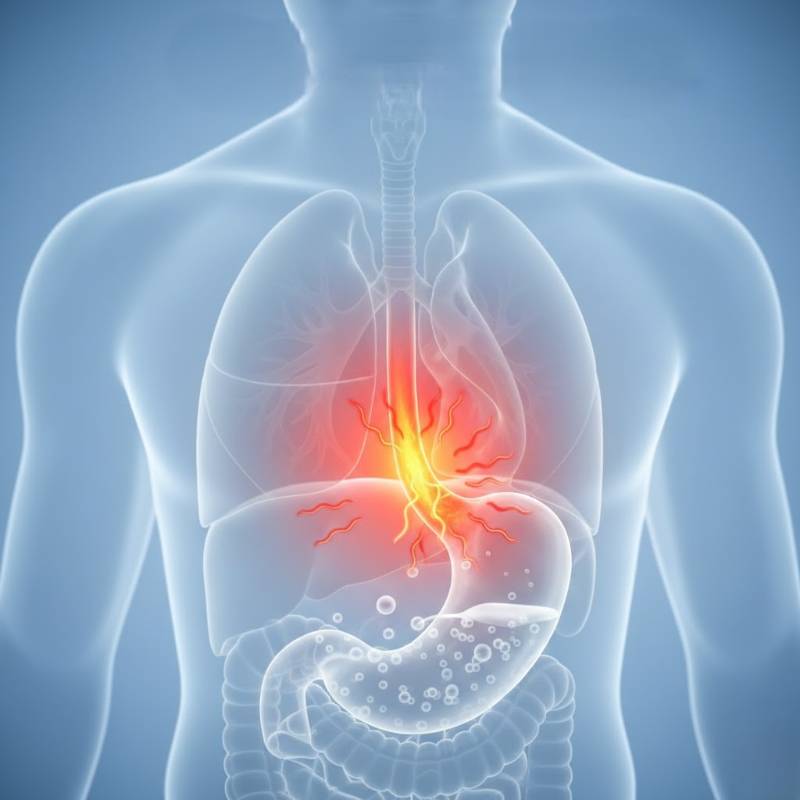
Stomach acidity, medically known as acid reflux, is a condition in which stomach acid flows back into the tube that connects your throat to your stomach (the esophagus). This acid irritates the lining of the esophagus, leading to pain or a burning sensation. When this condition occurs more than twice a week, it may indicate gastroesophageal reflux disease (GERD).
What Causes Persistent Stomach Acidity?
Chronic heartburn is often caused by weakness of the lower esophageal sphincter, allowing stomach acid to flow upward. The most common causes include:
- Overeating or lying down immediately after meals.
- Obesity, as excess weight increases pressure on the stomach.
- Hiatal hernia, a condition in which the upper part of the stomach rises above the diaphragm.
- Smoking and alcohol consumption, which weaken the valve between the esophagus and the stomach.
- Certain medications, such as aspirin and some pain relievers, which may irritate the stomach lining.
What Are the Symptoms of Stomach Acidity and Shortness of Breath?
Symptoms of heartburn vary in severity from mild to severe and may sometimes affect the respiratory system. Common symptoms include:
- A painful burning sensation in the center of the chest, known as heartburn, often accompanied by a bitter or sharp acidic taste at the back of the mouth.
- Pain or difficulty when swallowing, or a persistent feeling that something is stuck in the throat, causing discomfort.
- In some cases, acid reflux irritates the airways, leading to a recurrent dry cough or episodes of shortness of breath similar to asthma symptoms.
How Can I Get Rid of Stomach Acidity?
Simple changes in your daily routine can provide noticeable relief and significantly reduce heartburn symptoms, including:
- Adjusting sleeping position: Raising the head and shoulders by about 15 cm during sleep helps prevent nighttime acid reflux through gravity.
- Avoiding heartburn triggers: It is best to avoid foods and drinks that relax the esophageal sphincter, such as spicy foods, citrus fruits, chocolate, mint, and carbonated beverages.
- Chewing gum: Sugar-free gum increases saliva production, which acts as a natural antacid and helps clear acid from the esophagus.
Milk and Stomach Acidity: Helpful or Harmful?
Some people believe that milk completely relieves heartburn, but in reality, it only provides temporary relief by coating the esophageal lining. However, the fat in whole milk may later increase acid secretion during digestion, potentially worsening symptoms.
Does Drinking Large Amounts of Water Eliminate Acidity?
Water helps wash the esophagus and dilute acid, but drinking large amounts at once may increase pressure on the stomach and trigger reflux.
What Is the Most Commonly Used Medication for Stomach Acidity?
When searching for heartburn medication, treatment options vary depending on the severity of the condition and the speed of improvement required. These medications fall into three main categories:
- Antacids: Often used as a first option for quick symptom relief, as they neutralize existing stomach acid. Despite their rapid effect, they are short-acting and best suited for mild or occasional symptoms after heavy meals.
- H2 Receptor Blockers: These medications reduce the amount of acid produced by the stomach and provide longer-lasting relief compared to antacids, making them suitable for people with frequent daytime or nighttime heartburn.
- Proton Pump Inhibitors (PPIs): The strongest and most effective option for treating chronic conditions such as GERD. They block the pumps responsible for acid secretion in stomach cells, helping heal esophageal inflammation and allowing damaged tissues to recover.
Stomach Acidity During Pregnancy and How to Treat It
Most pregnant women experience heartburn, especially during the third trimester. This is mainly due to two factors: hormonal changes that relax the lower esophageal sphincter and the increasing physical pressure exerted by the growing fetus on the stomach, pushing acid upward.
Practical Tips to Relieve Heartburn During Pregnancy:
- Divide meals into small, frequent portions throughout the day instead of eating three large meals to avoid overfilling the stomach.
- Avoid drinking large amounts of fluids during meals, as this helps reduce stomach volume and prevent reflux.
- Maintaining an upright position after eating and avoiding lying down immediately can significantly reduce the burning sensation.
- It is essential to consult your doctor before taking any type of antacid to ensure it is completely safe for both the mother’s health and the baby’s development.
When Is Stomach Acidity Dangerous?
You should seek medical attention immediately if heartburn is accompanied by severe difficulty swallowing, unexplained weight loss, or pain resembling a heart attack (pain radiating to the jaw or arm along with sweating).
In Conclusion
Stomach acidity is a manageable health condition that can be effectively controlled by combining awareness of dietary habits with consulting healthcare professionals when needed. Understanding your body and how it reacts to different foods is the first step toward a pain-free life.
If you still need to consult a doctor about this condition, you can easily book an appointment through Vezeeta.
Related Keywords
Specialized Doctors

Andre atef Saweras
consultant of Gastrointestinal Diseases, Liver Diseases, Endoscopy, and Infectious Diseases - Faculty of Medicine (Kasr El Aini).

Ahmed Almarakby
Consultant in internal medicine, digestive system, liver and endoscopy

Ahmed Amer Afifi
Consultant of Gastroenterology , Endoscopy And Hepatology Faculty of medicine Al Azhar University
References
- https://my.clevelandclinic.org/health/diseases/9617-heartburn-overview
- https://www.healthline.com/health/gerd/causes
- https://www.webmd.com/heartburn-gerd/guide/what-is-acid-reflux-disease
- https://medlineplus.gov/gerd.html
- https://www.medicalnewstoday.com/articles/322359
- https://www.healthline.com/health/gerd/diet-tips
Specialized Doctors
Andre atef Saweras
consultant of Gastrointestinal Diseases, Liver Diseases, Endoscopy, and Infectious Diseases - Faculty of Medicine (Kasr El Aini).
Ahmed Almarakby
Consultant in internal medicine, digestive system, liver and endoscopy
Ahmed Amer Afifi
Consultant of Gastroenterology , Endoscopy And Hepatology Faculty of medicine Al Azhar University