

What Are Gallstones? Symptoms, Causes, and Treatment Methods
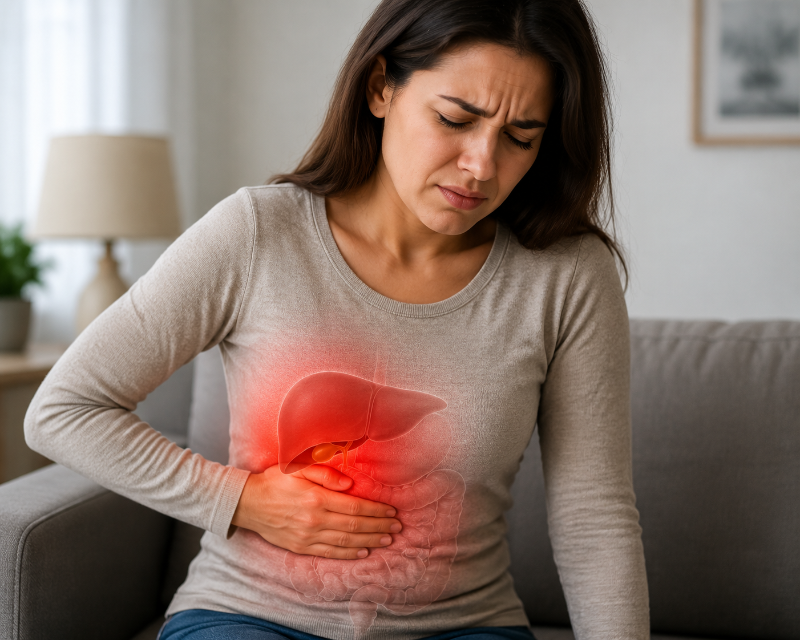
What Are Gallstones?
The gallbladder is a small organ located just beneath the liver. Its function is to store bile produced by the liver, which helps the body digest fats. When the composition of bile changes—such as increased cholesterol or bilirubin—these substances can harden and form solid deposits known as gallstones. A gallstone may be as small as a grain of sand or as large as a golf ball. A person may develop a single stone or multiple stones at the same time. Most gallstones do not cause problems as long as they do not block the bile ducts.
Symptoms of Gallstones
Most people with gallstones do not experience symptoms, and the stones are often discovered incidentally during tests for other conditions. When symptoms appear, the most common include:
- Sudden, severe pain in the upper right side of the abdomen
- Pain lasting from 30 minutes to several hours
- Pain worsening after eating a fatty meal
- Pain that may radiate to the right shoulder or back
- Nausea and vomiting in some cases
If the pain lasts more than two hours or is accompanied by:
- Fever
- Yellowing of the skin
This may indicate serious complications, such as Cholecystitis, and requires immediate emergency care.
Symptoms of Gallstones in Women
Women are two to three times more likely to develop gallstones than men. This is largely due to the effect of estrogen, which increases cholesterol levels in bile and slows gallbladder movement.
Symptoms are generally similar to those experienced by others, such as:
- Upper abdominal pain
- Bloating after meals
However, these symptoms may sometimes be mistaken for:
- Menstrual pain
- Pregnancy-related discomfort
Therefore, diagnosis with ultrasound is essential.
Causes of Gallstones
Gallstones form due to a chemical imbalance in bile. The main causes include:
- Excess cholesterol in bile
- Elevated bilirubin (due to liver or blood disorders)
- Incomplete emptying of the gallbladder
Factors that increase the risk include:
- Aging
- Obesity
- Rapid weight loss
- Family history
- Certain hormonal medications
How Can Gallstones Be Treated?
Treatment depends on the severity of symptoms. If there are no symptoms, treatment is usually unnecessary, and regular monitoring is sufficient.
If symptoms recur, surgery (gallbladder removal) is the most common treatment.
Other options include:
- Medications to dissolve stones (in limited cases)
- Pain relievers and antispasmodics for temporary symptom relief
Foods to Avoid for People with Gallstones
It is recommended to avoid:
- Fried foods
- Saturated fats (such as butter and ghee)
- Fatty meats
- Full-fat dairy products
- Sugary desserts
- Fast food
It is preferable to eat:
- Fresh vegetables and fruits
- Whole grains
- Healthy fats, such as Olive oil
Important tip:
Eat small, frequent meals instead of large meals.
Can Gallstones Be Treated Without Surgery?
There is no treatment that completely dissolves all types of gallstones. However, some small stones may respond to medication over a long period. Stones may return after stopping treatment. Stone fragmentation techniques also exist, but their use is limited.
Gallbladder Removal Surgery
Laparoscopic surgery is considered the standard treatment and offers:
- Small incisions in the abdomen
- Procedure time of less than one hour
- Discharge within one to two days
In rare cases:
- Open surgery may be required
Can You Live with Gallstones?
Yes. If there are no symptoms, treatment may not be necessary, and the condition can often be managed with a healthy diet and regular ultrasound monitoring.
However, if recurrent pain, inflammation, or blockage occurs, living with gallstones is no longer considered safe.
When Should You See a Doctor?
You should seek medical attention immediately if you experience:
- Severe upper abdominal pain lasting more than an hour
- Severe nausea
- Fever
- Yellowing of the skin or eyes
These symptoms may indicate:
- Cholecystitis
- Blockage of the bile ducts
- Complications such as Pancreatitis
Conclusion
Gallstones are a common condition that may remain silent for years without symptoms. However, in some cases, they can become painful and require urgent medical attention. Awareness of early symptoms, following a healthy diet, and regular medical follow-up can help reduce complications and manage the condition safely.
If you still need medical consultation regarding this condition, you can easily book an appointment through Vezeeta.
Related Keywords

Specialized Doctors

Andre atef Saweras
consultant of Gastrointestinal Diseases, Liver Diseases, Endoscopy, and Infectious Diseases - Faculty of Medicine (Kasr El Aini).

Ahmed Almarakby
Consultant in internal medicine, digestive system, liver and endoscopy

Abdel Gawad Saied
Consultant of Gastroenterology, Hepatology, and Endoscopy and Assistant Professor of Internal Medicine
References
- https://my.clevelandclinic.org/health/diseases/7313-gallstones
- https://www.nhs.uk/conditions/gallstones/
- https://health.clevelandclinic.org/when-to-suspect-your-abdominal-pain-is-a-gallbladder-attack
- https://www.webmd.com/digestive-disorders/gallstones
- https://www.healthline.com/health/gallbladder-diet
- https://www.cuh.nhs.uk/patient-information/dietary-advice-for-patients-with-gallstones/
- https://www.rightdecisions.scot.nhs.uk/tam-treatments-and-medicines-nhs-highland/adult-therapeutic-guidelines/surgical/gallstone-disease-guidelines/
- https://www.nhsinform.scot/illnesses-and-conditions/stomach-liver-and-gastrointestinal-tract/gallstones/
- https://www.nhs.uk/conditions/acute-cholecystitis/
Specialized Doctors
Andre atef Saweras
consultant of Gastrointestinal Diseases, Liver Diseases, Endoscopy, and Infectious Diseases - Faculty of Medicine (Kasr El Aini).
Ahmed Almarakby
Consultant in internal medicine, digestive system, liver and endoscopy
Abdel Gawad Saied
Consultant of Gastroenterology, Hepatology, and Endoscopy and Assistant Professor of Internal Medicine


