Medical Articles about Cardiology and Vascular Disease
Can Atrial Fibrillation Cause Death? Its Causes and Treatment Options
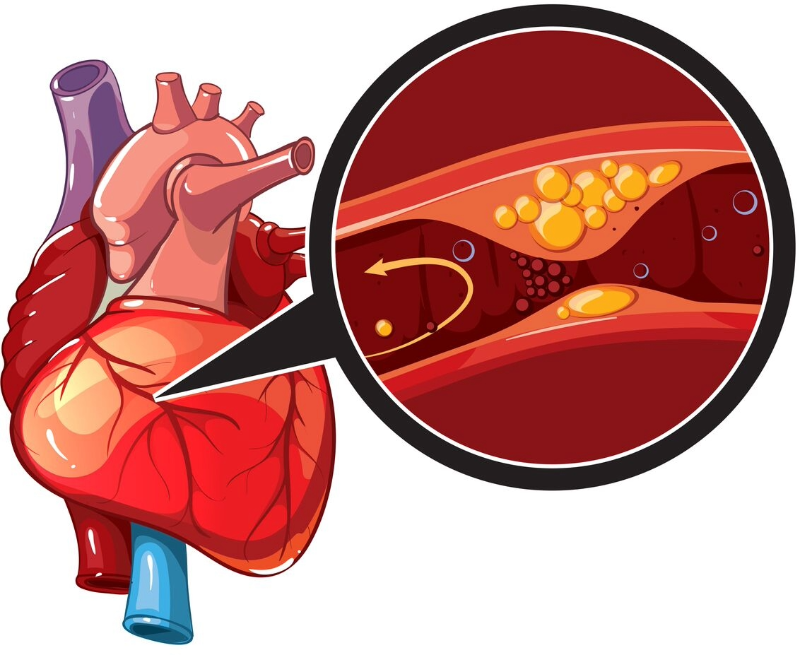
You may suddenly feel rapid palpitations or an irregular heartbeat. The episode may pass within minutes, but repeated episodes may indicate atrial fibrillation, one of the most common heart rhythm disorders. Is atrial fibrillation dangerous? What causes it, and what are its symptoms? Can it be treated and its complications prevented? This article explains the main information about atrial fibrillation, including how it is diagnosed and treated.
Can Anger Cause a Stroke? Symptoms and Warning Signs
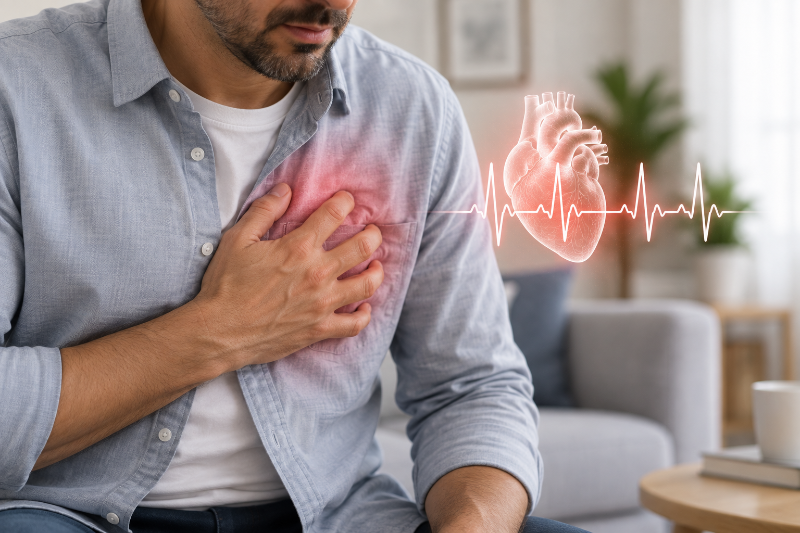
The idea that a fit of rage or grief can trigger a stroke is not just folklore. Medical research confirms that sudden emotional outbursts spike blood pressure, narrow blood vessels, and create conditions where ischemic or hemorrhagic stroke becomes significantly more likely. Understanding how intense emotions interact with vascular health is the first step toward protecting yourself — and knowing when to call for help immediately.
When is severe sadness dangerous? Broken heart syndrome explained
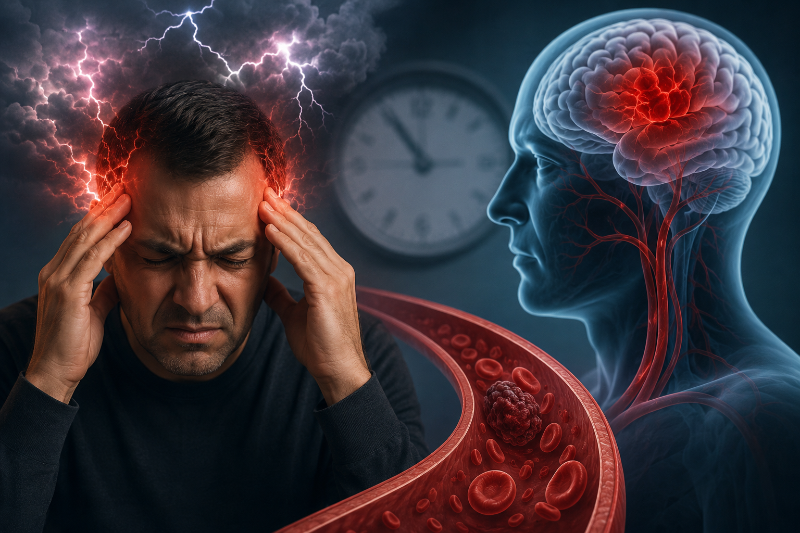
Can emotional shock actually lead to real damage to the heart muscle? Broken heart syndrome is a temporary heart condition that often occurs in response to severe emotional or physical stress, in which part of the heart becomes temporarily weakened, impairing its normal ability to pump blood. The condition mimics a heart attack in its symptoms, but differs in its causes and long-term outcomes.
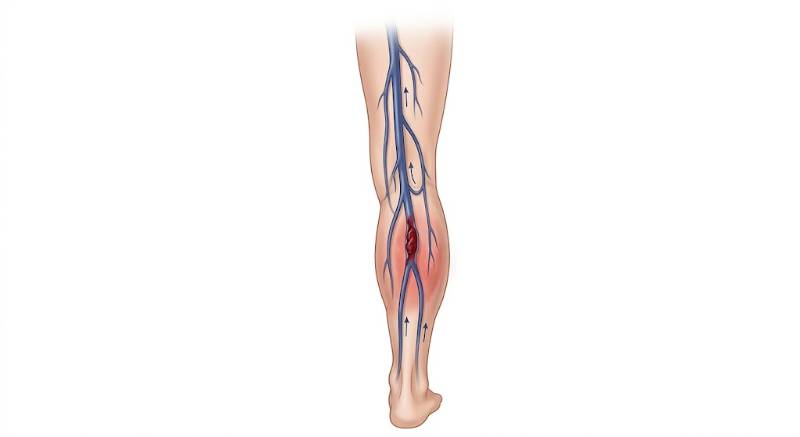
Sudden leg pain? Learn the main symptoms of a leg clot and how to handle it.
With today’s fast-paced lifestyle and long hours of sitting or limited movement, a leg blood clot can become a silent threat to your health without clear warning. It is not just a temporary leg pain; it can develop into serious complications if not detected early. That’s why awareness of prevention methods remains the first line of defense to protect your leg veins and maintain normal blood flow. In this article, you will learn the most important tips and daily habits that help reduce the risk of leg blood clots and prevent them effectively.
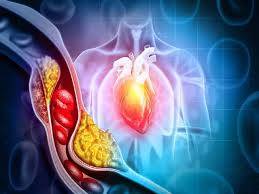
Normal vs. harmful cholesterol – how to control it early.
Do you understand the real difference between good and bad cholesterol? Discover in this medical guide the hidden symptoms of high cholesterol and the reasons for its sudden rise among young people. We will explain how to distinguish between normal and dangerous fat levels, and which foods can quickly raise or lower cholesterol, enabling you to protect your heart from arterial blockage by following simple scientific steps that ensure a long and healthy life.
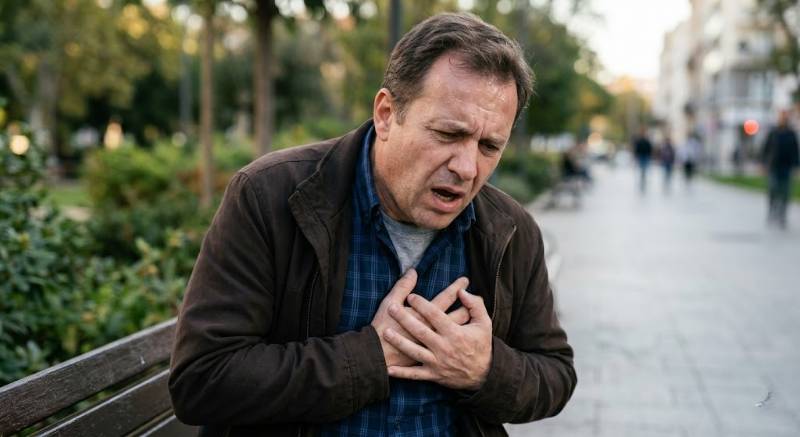
Weak Heart Muscle (Cardiomyopathy): Causes, Symptoms, Treatment & When It Becomes Dangerous
Your heart beats more than 100,000 times every day without you noticing, but when its muscle weakens, this silent work can turn into a serious health concern that deserves attention! Heart muscle weakness is not just a diagnosis—it’s a clear signal that your heart needs support and care. In this article, you will learn about the causes and symptoms of heart muscle weakness, the latest treatment options, when the ejection fraction becomes critical and requires urgent intervention, along with practical tips for prevention and improving heart health.
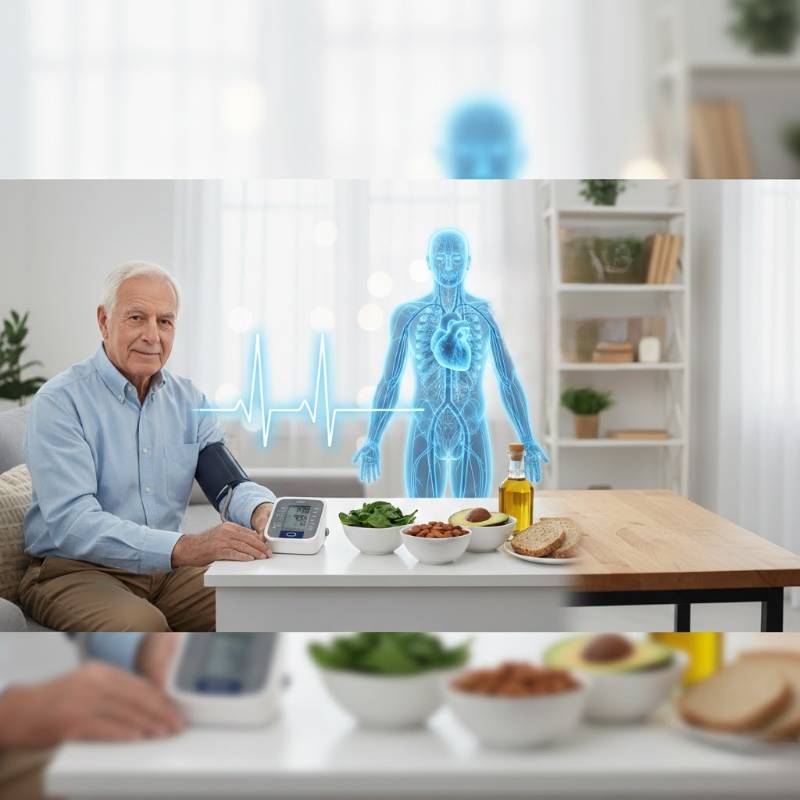
What is blood pressure, and what are the silent dangers that may threaten your health without you even realizing it?
You may not feel any pain or fatigue, yet your blood pressure can still be high and silently affect your heart and blood vessels. High blood pressure is a common but serious condition if not detected and treated in time. In this article, we explain everything you need to know about blood pressure, from normal levels to prevention and treatment methods.
The Most Dangerous Types of Heart Diseases: Their Causes and Treatment
Heart diseases pose a serious threat to many individuals and can result from genetic or environmental factors. Treatment varies depending on the underlying cause and may involve medications, surgery, or lifestyle interventions.
Symptoms of Heart Septal Defect in Children and Its Treatment
One of the most prominent symptoms of a heart defect in children is recurrent respiratory infections and excessive sweating in infants. The defect occurs when the heart’s internal walls fail to fully develop. Advanced cases can be treated with medication or medical intervention.

Coronary Artery Disease… The Silent Killer
"Coronary artery disease is one of the most serious heart conditions that may lead to death. Its symptoms usually appear at advanced stages due to various causes. Treatment may involve medications or surgery in severe cases."