Can Anger Cause a Stroke? Symptoms and Warning Signs
What Is a Stroke?
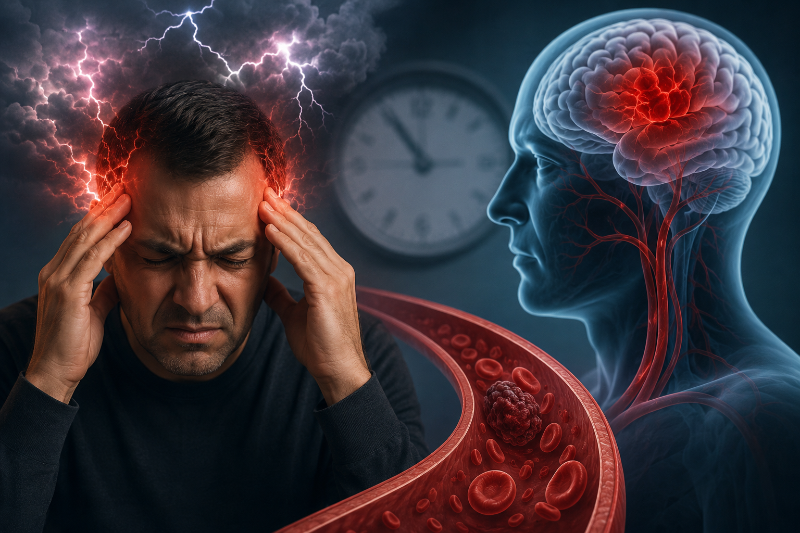
A stroke is a medical emergency that occurs when blood flow to part of the brain is suddenly interrupted or reduced. Without an adequate oxygen supply, brain cells begin to die within minutes, and every minute of delay can result in permanent loss of movement, speech, or other brain functions.
There are two main types of stroke:
- Ischemic stroke: Caused by a blocked blood vessel due to a blood clot or fatty deposits. It is the most common type, accounting for about 85% of all stroke cases.
- Hemorrhagic stroke: Occurs when a blood vessel ruptures, causing bleeding inside the brain.
There is also a condition known as a Transient Ischemic Attack (TIA), often called a "mini-stroke." It is caused by a temporary interruption of blood flow to the brain. Although symptoms usually resolve within minutes or hours, a TIA is an important warning sign that a major stroke may occur in the future.
Can Emotional Stress Really Cause a Stroke?
The answer is yes—but not directly. Studies have shown that intense anger or emotional stress may increase the risk of stroke during the hour following the emotional event, particularly in people who already have underlying risk factors.
This happens because the body releases stress hormones such as adrenaline and cortisol, which increase blood pressure, speed up the heart rate, and constrict blood vessels, creating conditions that make a stroke more likely.
The risk is even higher in people with high blood pressure, diabetes, or atherosclerosis, as severe emotional stress may act as the trigger for a stroke in an already vulnerable cardiovascular system.
Stroke Symptoms and Warning Signs
Recognizing stroke symptoms quickly can mean the difference between full recovery and permanent disability. Healthcare professionals commonly use the BE FAST acronym to remember the major warning signs:
- B – Balance: Sudden loss of balance or difficulty walking.
- E – Eyes: Sudden blurred vision or loss of vision in one or both eyes.
- F – Face: Facial drooping or an uneven smile.
- A – Arms: Weakness or numbness in one arm; inability to raise both arms equally.
- S – Speech: Slurred speech or difficulty speaking or understanding language.
- T – Time: Call emergency medical services immediately. Do not wait for the symptoms to disappear.
Other important symptoms include:
- A sudden, severe headache unlike any experienced before.
- Numbness or tingling in the face or one side of the body.
- Sudden confusion or difficulty understanding others.
What Are the First Signs of a Stroke After Severe Emotional Stress?
The earliest warning signs may include:
- Sudden weakness on one side of the body.
- Difficulty speaking or slurred speech.
- Severe dizziness or loss of balance.
- A sudden, intense headache.
If these symptoms appear after a stressful or emotionally intense situation, seek emergency medical care immediately.
What Is the Difference Between Stress Symptoms and Stroke Symptoms?
Many people mistake stroke symptoms for anxiety or emotional stress because the two can share certain features. However, the way the symptoms begin is the key difference.
Stress-related symptoms usually develop gradually and are linked to a specific emotional event. In contrast, stroke symptoms appear suddenly and without warning.
For example, tingling caused by anxiety often develops gradually and may affect different parts of the body. Stroke-related numbness usually appears abruptly and affects one side of the body.
The golden rule is simple: If you are unsure, call emergency services. Stroke is a race against time, and it is always safer to seek urgent medical attention than to delay treatment.
How Can I Protect Myself from a Stroke Caused by Emotional Stress?
You can reduce your risk of stroke by adopting healthy lifestyle habits, including:
- Monitor and control your blood pressure regularly.
- Exercise for at least 30 minutes on most days of the week.
- Practice stress-management techniques such as deep breathing, meditation, or relaxation exercises.
- Follow a healthy diet, quit smoking, and maintain a healthy body weight.
- Consult your doctor if you experience frequent episodes of severe anger or emotional stress, as stress management programs or appropriate treatment may be beneficial.
Managing stress, together with controlling other cardiovascular risk factors, is one of the most effective ways to reduce the risk of stroke.
When Should You See a Doctor?
Call emergency medical services immediately if you develop any symptoms of a stroke, such as:
- Sudden weakness or numbness on one side of the body.
- Difficulty speaking or understanding speech.
- Sudden loss of vision.
Even if the symptoms disappear within a few minutes, they may indicate a Transient Ischemic Attack (TIA) and require urgent medical evaluation.
You should also schedule a medical appointment if you:
- Have uncontrolled high blood pressure.
- Frequently experience severe anger or emotional stress.
- Have a family history of stroke or heart disease.
- Have risk factors such as diabetes or high cholesterol.
Do not wait for symptoms to appear. Maintaining healthy blood pressure, exercising regularly, and managing stress are all essential steps in preventing stroke.
Conclusion
Although the common belief that "emotional stress causes a stroke" contains some truth, emotional stress alone is not usually the direct cause of a stroke. However, severe anger or stress can increase the risk, especially in people with underlying conditions such as hypertension, diabetes, or cardiovascular disease. Managing stress, maintaining a healthy lifestyle, and seeking immediate medical attention for any warning signs are the best ways to protect both your brain and your heart.
If you still need to consult a doctor about this condition, you can easily book an appointment through Vezeeta.
Related Keywords
Specialized Doctors



References
- https://my.clevelandclinic.org/health/diseases/5601-stroke
- https://www.healthline.com/health/stroke/can-stress-cause-a-stroke
- https://www.webmd.com/stroke/features/is-it-stress-or-stroke
- https://www.health.harvard.edu/heart-health/anger-or-emotional-upset-may-trigger-stroke
- https://www.heart.org/en/news/2024/05/01/angers-role-in-heart-attack-risk-may-start-in-the-arteries
Specialized Doctors