Can Atrial Fibrillation Cause Death? Its Causes and Treatment Options

What Is Atrial Fibrillation?
Atrial fibrillation, known in English as Atrial Fibrillation, is a type of heart rhythm disorder. It occurs when the electrical signals in the atria become irregular. The atria then contract rapidly and randomly instead of beating in a regular rhythm. This may cause an irregular heartbeat and affect the efficiency of blood flow.
Although some cases of atrial fibrillation may not cause clear symptoms, leaving the condition without appropriate follow-up and treatment may increase the risk of complications, especially blood clots and stroke. Early diagnosis and follow-up with a cardiologist are therefore important steps in managing the condition.
Is Atrial Fibrillation Dangerous?
When a person is diagnosed with atrial fibrillation for the first time, one of the first questions that may come to mind is: Is this condition dangerous?
Atrial fibrillation is not necessarily life-threatening every time it occurs. However, leaving it untreated or without appropriate medical follow-up may increase the risk of important complications, particularly stroke. Therefore, it is important to have the condition evaluated and monitored by a specialist. You can also explore the best cardiologists and check available doctors and appointment times for booking.
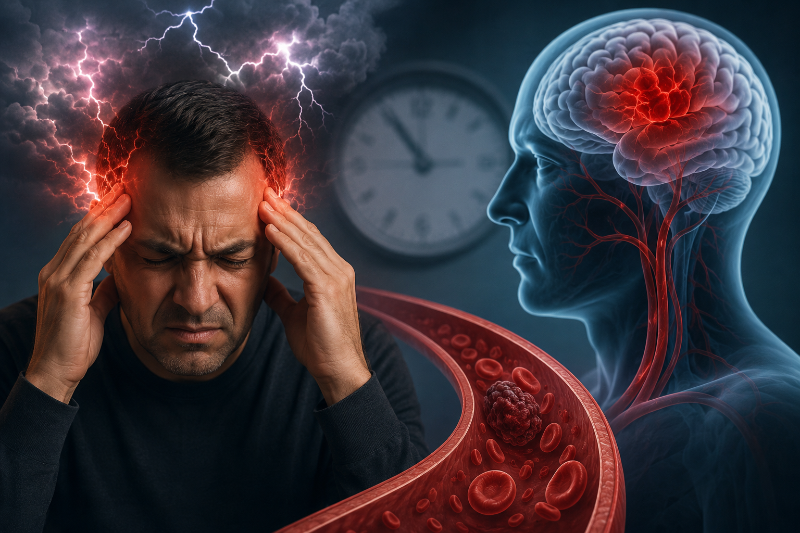
When the atria do not contract regularly, blood flow inside them may slow down, which can allow blood clots to form in some cases. If a clot travels to the brain, it may cause a stroke.
In addition, a persistently rapid heart rate over a long period may affect the heart muscle's efficiency in some patients.
What Are the Symptoms of Atrial Fibrillation?
Atrial fibrillation may sometimes occur without symptoms and may be discovered by chance during a heart examination or an electrocardiogram. In other cases, the heart may signal its rhythm disturbance through several noticeable symptoms.
The patient may experience:
- Heart palpitations or a fluttering feeling in the chest.
- A rapid or irregular heartbeat.
- Tiredness and fatigue.
- Dizziness or lightheadedness.
- Shortness of breath.
- Reduced ability to perform usual activities.
- Chest pain or pressure.
Symptoms may occur as intermittent episodes and then disappear. Therefore, the disappearance of palpitations does not necessarily mean that the underlying cause is gone.
If there is severe or persistent chest pain, severe shortness of breath, fainting, or sudden symptoms that may indicate a stroke, seek urgent medical care.
What Does Heart Fluttering Indicate?
The moment when you feel that your heart is trembling or fluttering may be the most noticeable part of the experience.
However, heart fluttering or palpitations do not automatically mean that you have atrial fibrillation.
Palpitations may occur because of stress, anxiety, physical exertion, lack of sleep, or stimulant use. They may also result from some heart rhythm disorders.
In atrial fibrillation, the cause is a disturbance in the electrical signals that regulate atrial contractions, which makes the pulse irregular.
If palpitations occur repeatedly or without a clear cause, a heart examination and electrocardiogram may be needed to identify the actual cause.
Causes of Atrial Fibrillation
To understand the causes of atrial fibrillation, imagine that the heart works like a precise electrical system. Each electrical signal arrives at a specific time to ensure that the heart chambers contract in an organized way.
When this system is disrupted, the atria may begin sending rapid and random electrical signals. This is when atrial fibrillation develops.
The main factors that may be associated with it include:
- High blood pressure.
- Coronary artery disease.
- A previous heart attack.
- Heart valve disease.
- Some diseases of the heart muscle.
- An overactive thyroid gland.
- Obstructive sleep apnea.
- Older age.
- A family history of some heart rhythm disorders.
- Some lifestyle-related factors.
In some cases, atrial fibrillation may occur even when there is no obvious heart disease. This makes a complete medical evaluation important.
Atrial Fibrillation in Young Adults
A heart rhythm disorder may seem like a problem associated only with older adults, but atrial fibrillation can also occur in young people.
When a young person experiences repeated palpitations, they may blame coffee, stress, or staying up late, especially if they continue to live normally. However, repeated symptoms deserve attention.
Atrial fibrillation in young people may be associated with some heart diseases, thyroid disorders, genetic factors, and certain lifestyle triggers.
Irregular heartbeats in young people should not be ignored simply because of their age.
Symptoms of Atrial Fibrillation in Women
Symptoms of atrial fibrillation may appear differently from one woman to another. Palpitations may not be the only symptom.
The condition may begin with unusual fatigue, shortness of breath, dizziness, or reduced ability to perform daily activities. Some women may experience clear palpitations or an irregular pulse.
In some cases, these symptoms may resemble stress or anxiety. Medical evaluation is therefore important, especially when the symptoms are new or recurring.
How Is Atrial Fibrillation Diagnosed?
After listening to the patient’s description of the palpitations and accompanying symptoms, the doctor investigates more precisely whether the heart is experiencing a rhythm disorder.
The diagnosis of atrial fibrillation may involve several tests, including:
- A physical examination and pulse measurement.
- An electrocardiogram, or ECG.
- Devices that monitor the heart rhythm for longer periods, such as a Holter monitor, when needed.
- Blood tests to look for some causes, such as thyroid disorders.
- An echocardiogram to assess the heart’s structure, function, and valves.
Does Atrial Fibrillation Appear on an Electrocardiogram?
Yes. An electrocardiogram, or ECG, is one of the main methods used to diagnose atrial fibrillation.
It records the heart’s electrical activity and may detect an irregular heartbeat and the characteristic pattern of atrial fibrillation when an episode is occurring during the test.
Does Atrial Fibrillation Appear on an Echocardiogram?
You may think that an echocardiogram is the test that will reveal everything about atrial fibrillation, but each test has a different purpose.
An echocardiogram helps assess the size of the heart chambers, the efficiency of the heart muscle, and the condition of the valves. It may also detect some heart diseases associated with atrial fibrillation.
However, an echocardiogram does not record the heart’s electrical activity in the same way as an electrocardiogram. It is therefore not used alone to diagnose atrial fibrillation.
Can Atrial Fibrillation Cause Death?
A diagnosis of atrial fibrillation does not mean that death will occur. Many patients live with the condition after it is controlled and medically monitored. The main concern is the complications that may become more likely if the condition is not managed correctly.
The most important complications include blood clots and stroke. A persistently irregular and rapid heartbeat may also weaken the heart muscle in some patients.
For this reason, atrial fibrillation should not be treated as nothing more than temporary palpitations. The risk of blood clots should be assessed, and an appropriate plan should be developed to control the heart rate or rhythm.
What Is the Treatment for Atrial Fibrillation?
After the diagnosis is confirmed, the treatment plan varies from one person to another. There is no single treatment that suits every case of atrial fibrillation.
Treatment may aim to achieve three main goals: controlling the heart rate, restoring or maintaining a normal heart rhythm when appropriate, and reducing the risk of blood clots and stroke.
Treatment for atrial fibrillation may include:
- Medicines to control the heart rate.
- Medicines to help regulate the heart rhythm in some cases.
- Anticoagulants, or blood thinners, when needed.
- Cardioversion for some patients.
- Catheter ablation to treat abnormal electrical signals in the heart when appropriate for the patient’s condition.
The cardiologist chooses treatment based on the patient’s age, type of atrial fibrillation, symptoms, heart muscle function, other medical conditions, and risk of stroke.
Can Atrial Fibrillation Be Cured?
Atrial fibrillation can be controlled to a significant degree in many patients. Episodes may become less frequent or disappear for long periods, especially when the underlying cause and risk factors are managed.
In some cases, catheter ablation may help reduce the frequency of atrial fibrillation episodes and improve symptoms.
However, the possibility of eliminating the condition completely depends on its type and cause, the condition of the heart, and other health factors.
The disappearance of symptoms alone should not be considered proof of recovery. Medical follow-up and adherence to the treatment plan remain necessary.
Home Treatment for Atrial Fibrillation
When palpitations occur at home, a patient may quickly look for a way to stop them. However, there is no guaranteed home method for treating atrial fibrillation or stopping an episode.
Some lifestyle changes may help improve heart health and reduce certain triggers, including:
- Reducing caffeine if it triggers palpitations.
- Avoiding smoking.
- Maintaining a healthy weight.
- Following a balanced diet and reducing salt.
- Doing suitable physical activity after consulting a doctor.
- Getting regular and sufficient sleep.
- Controlling blood pressure.
- Treating sleep apnea if it is present.
- Reducing stress and practicing relaxation techniques.
Most importantly, do not stop atrial fibrillation medicines or blood thinners on your own, even if the symptoms disappear.
In summary, a diagnosis of atrial fibrillation does not mean that the patient will continue to have troublesome symptoms or that the condition will inevitably cause serious complications. With appropriate diagnosis, the rhythm disorder and its risks can be controlled to a significant degree. Do not ignore repeated palpitations or an irregular pulse. Early evaluation may be an important step in protecting heart health and preventing complications.
If you still need a doctor’s consultation regarding this condition, you can easily book an appointment through Vezeeta.
Related Keywords

Specialized Doctors



References
https://medlineplus.gov/atrialfibrillation.html
https://www.mayoclinic.org/diseases-conditions/atrial-fibrillation/symptoms-causes/syc-20350624?p=1
https://www.mayoclinic.org/diseases-conditions/atrial-fibrillation/diagnosis-treatment/drc-20350630
https://www.nhs.uk/conditions/atrial-fibrillation/
https://www.heart.org/en/health-topics/atrial-fibrillation/what-are-the-symptoms-of-atrial-fibrillation
https://www.heart.org/en/health-topics/atrial-fibrillation
Specialized Doctors