Angina: Symptoms, Causes, and the Difference Between Angina and a Heart Attack

What Is Angina?
Angina is chest pain, pressure, or discomfort that occurs when the heart muscle does not receive enough oxygen-rich blood to meet its needs.
It is often linked to narrowing of the coronary arteries, which supply blood to the heart. This narrowing is usually caused by fatty deposits building up inside the artery walls, a condition known as atherosclerosis.
Angina symptoms may appear during physical activity or emotional stress because the heart needs more oxygen at these times, while narrowed arteries cannot provide the required amount.
Types of Angina
Angina is divided into several types, including:
Stable Angina
It usually occurs during physical activity or emotional stress. The episodes are similar in nature and duration and often improve when you stop the activity and rest or use nitroglycerin prescribed by a doctor.
Unstable Angina
It occurs unexpectedly. The pain may appear during rest or with minor activity. It may also be more severe or last longer than usual, or become more frequent over time.
Unstable angina is a medical emergency because it may indicate acute coronary syndrome and may progress to a heart attack.
Vasospastic Angina
It occurs because of a sudden contraction in one of the coronary arteries, which reduces blood flow to the heart muscle. It may occur at rest, sometimes at night or early in the morning.
Microvascular Angina
It occurs because of a problem in the small blood vessels that supply the heart muscle. Symptoms may occur during activity or rest, even without a clear blockage in the major coronary arteries.
What Are the Symptoms of Angina?
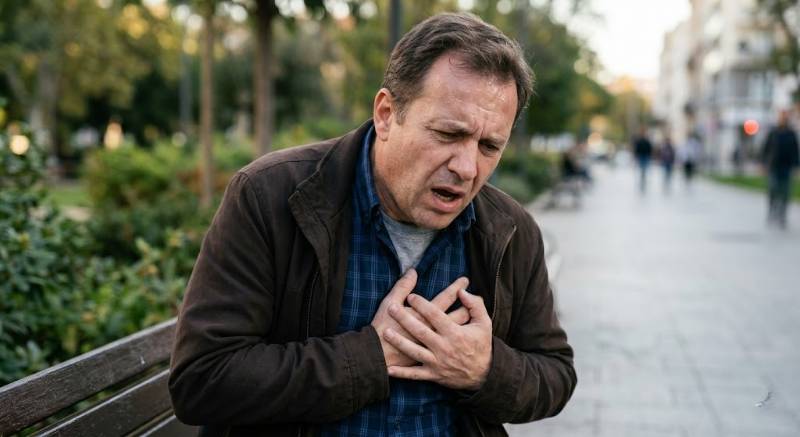
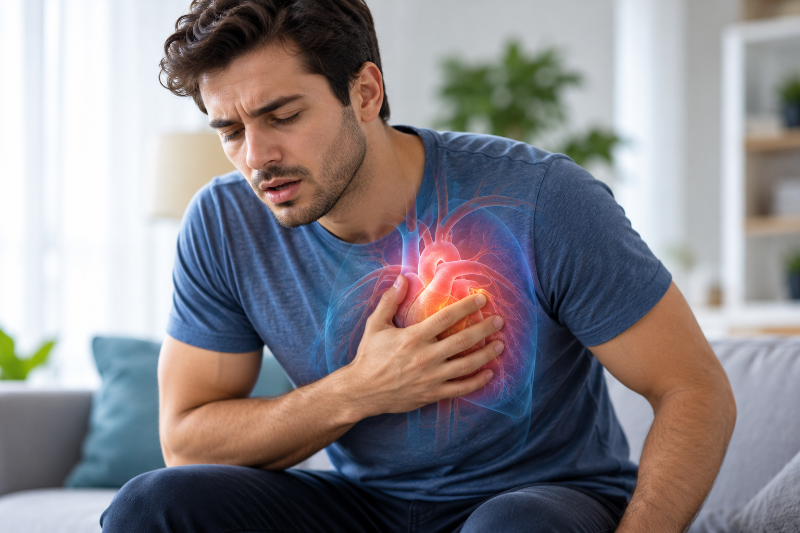
The most common symptoms of angina include pain, pressure, or heaviness in the center of the chest. The pain may spread to the arms, shoulders, neck, jaw, or back.
Common symptoms of angina include:
- Chest pain or pressure: You may feel as if something heavy is pressing on or squeezing your chest.
- Pain spreading from the chest: The pain may move to one or both arms, the shoulders, neck, jaw, or back.
- Shortness of breath: You may have difficulty breathing, especially during physical activity.
- Cold sweats: Sudden sweating may occur without an obvious cause.
- Nausea: You may feel sick or have an upset stomach.
- Dizziness and fatigue: Angina may be accompanied by weakness or lightheadedness.
Do Angina Symptoms Differ in Women?
Women may experience angina symptoms that are less clearly associated with typical chest pain. They may have shortness of breath, nausea, or unusual fatigue, with or without chest pain.
Symptoms may also be atypical in older adults and people with diabetes. The possibility of a heart problem should not be ruled out simply because clear chest pain is absent.
What Are the Symptoms of False Angina?
The expression “false angina” is sometimes used to describe chest pain caused by conditions unrelated to reduced blood flow to the heart, such as:
- Acid reflux and heartburn.
- Inflammation of the muscles or cartilage in the chest wall.
- Stress and panic attacks.
- Some respiratory diseases.
However, it is not possible to determine that chest pain is non-cardiac without medical evaluation, especially if it is new, severe, or accompanied by shortness of breath and sweating.
What Causes Angina?
Angina pain occurs when the heart muscle does not receive enough oxygen-rich blood. The most common cause is narrowing of the coronary arteries due to atherosclerosis.
The main causes and risk factors for angina include:
- Atherosclerosis: This is the most common cause of angina. Fat, cholesterol, and other substances build up inside the artery walls, narrowing them and reducing blood flow to the heart.
- High blood pressure: Persistent high blood pressure increases the workload on the heart. It may also damage artery walls and speed up atherosclerosis.
- High cholesterol: High levels of LDL, or “bad” cholesterol, contribute to fatty deposits inside the arteries and increase the risk of coronary artery narrowing.
- Diabetes: Diabetes increases the likelihood of atherosclerosis and heart disease, especially when blood sugar levels are not controlled.
- Smoking: Smoking harms the blood vessels, contributes to damage of their lining, and increases the likelihood of blood clots and atherosclerosis.
- Stress and emotional upset: Severe stress and emotional upset may increase heart rate and blood pressure. This raises the heart muscle’s oxygen needs and may trigger angina symptoms in people with narrowed arteries.
Other risk factors include physical inactivity, obesity, older age, and a family history of heart disease.
What Is the Difference Between Angina and a Heart Attack?
The main difference is that stable angina results from a temporary reduction in blood flow to the heart muscle and usually does not cause permanent damage, while a heart attack damages part of the heart muscle because blood flow is severely reduced or interrupted.
The difference can be explained as follows:
- Cause of pain: Angina occurs when the heart muscle does not receive enough blood and oxygen. A heart attack occurs when blood flow to part of the heart is severely reduced or interrupted.
- Duration of pain: Stable angina usually lasts a few minutes and improves with rest. Heart attack pain may continue or return and may not improve in the usual way.
- Response to rest: Stable angina usually improves when physical activity stops, but this cannot be relied on to rule out a heart attack.
- Effect on the heart: Stable angina usually does not cause permanent damage to the heart muscle, while a heart attack may damage part of it.
A heart attack does not always result from a complete blockage of an artery. It may also result from a severe partial blockage or other problems with blood flow.
How Is Angina Diagnosed?
Diagnosis is based on an evaluation of the symptoms and the patient’s medical history, along with tests that help assess the coronary arteries and heart muscle function.
A doctor may request the following tests:
- Electrocardiogram (ECG): This evaluates the heart’s electrical activity and may detect changes that suggest reduced blood flow or a heart attack.
- Cardiac enzyme testing: Tests such as troponin testing help detect damage to the heart muscle.
- Stress test: This evaluates how the heart responds to physical activity under medical supervision.
- Echocardiogram: This helps assess heart muscle function and the movement of the heart walls.
- Coronary CT scan: This helps evaluate the arteries and detect narrowing or deposits.
- Diagnostic cardiac catheterization: In some cases, it is used to image the coronary arteries and identify areas of narrowing or blockage.
The doctor selects the appropriate tests based on the symptoms and the patient’s health, especially when acute coronary syndrome is suspected.
How Is Angina Treated?
The goals of angina treatment are to improve blood flow to the heart muscle, reduce its oxygen needs, and lower the risk of blood clots. Treatment depends on the type and severity of angina and may include:
- Medication: This may include nitroglycerin to relieve pain, beta blockers and calcium channel blockers to reduce strain on the heart, statins to lower cholesterol, and antiplatelet medicines such as aspirin to reduce the risk of blood clots, according to the doctor’s assessment.
- Angioplasty and stent placement: These procedures widen narrowed coronary arteries and improve blood flow to the heart muscle.
- Coronary artery bypass grafting (CABG): A doctor may recommend this for severe or multiple blockages to create an alternative route for blood to reach the heart muscle.
A cardiologist determines the most appropriate treatment plan based on the degree of artery narrowing and the patient’s overall health.
How Can Angina Be Prevented?
Healthy habits can reduce risk factors linked to coronary artery disease and may reduce the likelihood of repeated angina episodes in people who already have angina.
Important prevention measures include:
- Stop smoking: Smoking is a major factor that damages the arteries and increases the risk of heart disease.
- Follow a healthy diet: Eat vegetables, fruits, whole grains, and fish. Reduce foods high in saturated fat and salt.
- Be physically active: Regular movement supports heart health. If you have angina, determine the appropriate activity level with your doctor.
- Maintain a healthy weight: Weight control reduces the workload on the heart.
- Monitor blood pressure, blood sugar, and cholesterol: Controlling these factors reduces the risk of worsening artery disease.
- Reduce stress as much as possible: Get enough sleep and practice activities that help you relax.
Can Angina Cause Death?
Stable angina is not usually fatal by itself, but it may indicate coronary artery disease that requires treatment and follow-up. Unstable angina may signal a risk of heart attack and is therefore an emergency requiring immediate medical evaluation.
Chest pain can be a warning sign that should not be ignored, especially if it occurs repeatedly during activity or is accompanied by shortness of breath or sudden sweating. Angina may indicate a problem with the coronary arteries. Recognizing its causes and symptoms early can help guide appropriate treatment and reduce the risk of complications. Follow your heart health, control your risk factors, and seek medical help if you experience unusual chest pain.
If you still need a doctor’s consultation regarding this condition, you can easily book an appointment through Vezeeta.
Related Keywords

Specialized Doctors

أحمد فايد
أخصائي طب الحالات الحرجة و القلب - قصر العيني استشاري الحالات الحرجة و قسطرة القلب

سالم العربي
مدرس أمراض القلب وقسطرة الشرايين التاجية بكلية الطب جامعة الأزهر-د.دكتوراة القلب والأوعية الدموية-عضو الجمعية المصرية لأمراض القلب.-ايكو-رسم قلب-هولتر.

يحيى زكريا
إستشاري أمراض القلب والأوعية الدموية والقسطرة القلبية
References
https://www.heart.org/en/health-topics/heart-attack/angina-chest-pain
https://www.nhs.uk/conditions/angina/
https://www.heart.org/en/health-topics/heart-attack/angina-chest-pain/unstable-angina
https://www.heart.org/en/health-topics/heart-attack/angina-chest-pain/angina-pectoris-stable-angina
https://www.heart.org/en/health-topics/heart-attack/about-heart-attacks
https://www.nhs.uk/conditions/coronary-heart-disease/symptoms/
https://www.heart.org/en/health-topics/heart-attack/angina-chest-pain/angina-in-women-can-be-different-than-men
Specialized Doctors
أحمد فايد
أخصائي طب الحالات الحرجة و القلب - قصر العيني استشاري الحالات الحرجة و قسطرة القلب
سالم العربي
مدرس أمراض القلب وقسطرة الشرايين التاجية بكلية الطب جامعة الأزهر-د.دكتوراة القلب والأوعية الدموية-عضو الجمعية المصرية لأمراض القلب.-ايكو-رسم قلب-هولتر.
يحيى زكريا
إستشاري أمراض القلب والأوعية الدموية والقسطرة القلبية