Selokenzoc 50 mg: uses, side effects, precautions, and price
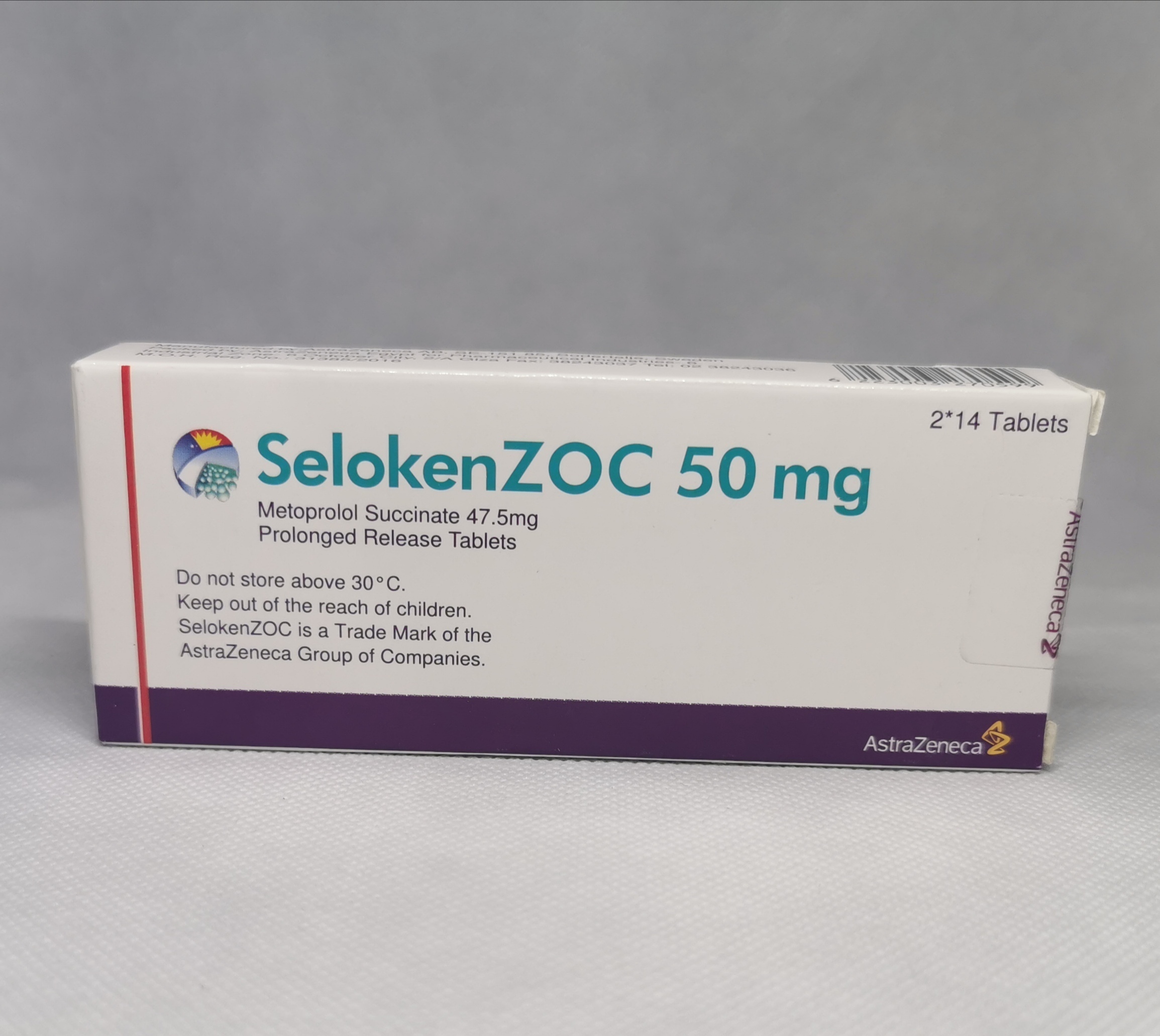
What is Selokenzoc 50 mg and what does it contain
Selokenzoc 50 mg is a prolonged-release oral tablet. It contains metoprolol succinate, a beta-1 selective beta blocker that mainly acts on the heart at usual therapeutic exposure. It helps slow the heart rate, reduce the force of contraction, and lower the workload on the heart.
The medicine may be searched for as Selokenzoc, Seloken ZOC, سيلوكينزوك 50, سيلوكينزوك ٥٠, or Selokenzoc 50 mg. The pack discussed here contains 28 extended-release tablets. It is a prescription medicine and should be used only for the condition diagnosed by a healthcare professional.
Selokenzoc 25, 50, and 100 mg
Selokenzoc may be available in different strengths, including 25 mg, 50 mg, and 100 mg. The active ingredient is the same, but the amount in each tablet differs. A higher strength is not automatically more effective and may increase dizziness, slow pulse, or low blood pressure if used without medical supervision.
What is Selokenzoc 50 mg used for
Selokenzoc 50 mg may be used for chronic hypertension, angina due to coronary artery disease, stable heart failure in selected patients, and some rhythm problems where slowing the heart rate is helpful. Doctors may also choose a beta blocker after certain heart attacks or for migraine prevention when the expected benefit is appropriate.
If you are taking Selokenzoc for high blood pressure, chest pain, or a heart condition, regular pulse and blood pressure monitoring is important. You can book follow-up with Vezeeta cardiology and vascular disease doctors to review symptoms, readings, treatment duration, and dose suitability.
Selokenzoc 50 mg dosage and how to use it
Selokenzoc is commonly used for chronic cardiovascular conditions, so fixed dose instructions should not be generalized. The treating doctor determines the appropriate dose based on the diagnosis, response to treatment, other medicines, pulse, blood pressure, age, liver condition, and the patient's clinical status.
Swallow the extended-release tablet as prescribed. If your doctor or pharmacist confirms that your specific tablet may be divided, it still should not be crushed or chewed because this can affect the prolonged-release design. The doctor also determines whether treatment should continue, change, or stop.
Before or after food
Selokenzoc is usually taken with food or immediately after food, preferably at a consistent time each day unless your doctor gives different instructions. Avoid excessive alcohol because it may worsen dizziness or low blood pressure.
Missed dose
If you miss a dose, follow the instructions given by your doctor or pharmacist. Do not take extra tablets to make up for a missed dose. If missed doses happen often, ask for a safer reminder plan.
How long does Selokenzoc 50 mg take to work
Selokenzoc begins to affect heart rate and blood pressure after absorption, but the full benefit for blood pressure or heart symptoms is assessed through continued use and repeated readings. A single home reading is not enough to judge treatment success. Doctors usually review readings, symptoms, pulse, side effects, and adherence before changing the plan.
What are the side effects of Selokenzoc 50 mg
Common side effects may include tiredness, dizziness, lightheadedness, slow pulse, low blood pressure, headache, nausea, stomach upset, diarrhea or constipation, sleep disturbance, cold hands or feet, rash, itching, low mood, and shortness of breath in susceptible patients.
Some men ask about Selokenzoc and erection. Beta blockers may contribute to erectile difficulties in some patients, but hypertension, diabetes, smoking, vascular disease, anxiety, and other medicines can also be involved. A doctor can assess the cause and adjust treatment safely if needed.
Urgent symptoms
Seek urgent care for fainting, severe dizziness, very slow heartbeat, chest pain, severe shortness of breath, wheezing, swelling of the face or throat, blue lips, confusion, or shock-like symptoms. Overdose may cause dangerous bradycardia, severe hypotension, worsening heart failure, breathing difficulty, or cardiogenic shock.
Contraindications and precautions
Do not use Selokenzoc if you are allergic to metoprolol, other beta blockers, or any tablet ingredient. This medicine is contraindicated in severe bradycardia, second- or third-degree heart block unless a suitable pacemaker is in place, cardiogenic shock, decompensated heart failure, and sick sinus syndrome without a permanent pacemaker.
Use with caution in asthma, chronic obstructive lung disease, diabetes, peripheral vascular disease, liver impairment, overactive thyroid, a history of severe allergic reactions, and before surgery. Beta blockers can mask warning signs of low blood sugar or hyperthyroidism, especially fast heartbeat. Tell your doctor if your pulse becomes unusually low or breathing worsens.
Selokenzoc 50 mg drug interactions
Important interactions include medicines that slow the heart, such as verapamil, diltiazem, digoxin, amiodarone, and other antiarrhythmics. Clonidine requires special medical planning if used with a beta blocker. Strong CYP2D6 inhibitors such as fluoxetine, paroxetine, quinidine, and propafenone may raise metoprolol levels and increase side effects.
Other blood pressure medicines, diuretics, nitrates, anesthetic agents, and alcohol may increase the risk of low blood pressure. Some non-steroidal anti-inflammatory drugs may reduce blood pressure control. Tell doctors and dentists that you take Selokenzoc before surgery or new prescriptions.
Selokenzoc 50 mg during pregnancy and breastfeeding
During pregnancy, Selokenzoc should be used only when the doctor decides that the expected benefit justifies the potential risk. Untreated hypertension or heart disease may also be harmful. Babies exposed near delivery may need monitoring for slow heartbeat, low blood pressure, low blood sugar, or breathing problems.
Metoprolol passes into breast milk in small amounts. Breastfeeding may be possible under medical supervision, but the infant should be monitored for poor feeding, unusual sleepiness, slow heartbeat, or breathing difficulty, especially if premature or medically fragile.
Can Selokenzoc 50 mg be taken every day and long term
Selokenzoc is often prescribed as a daily long-term medicine for chronic cardiovascular disease. Long-term use requires periodic review, blood pressure and pulse monitoring, and assessment of side effects and interactions. The treating doctor determines whether treatment should continue, change, or stop. For follow-up, you can consult a cardiology specialist through Vezeeta.
Independent interruption can worsen angina, cause rebound high blood pressure, or increase cardiac risk in some patients. Any change in therapy should be decided by the treating doctor.
What are the alternatives to Selokenzoc 50 mg
Alternatives depend on the diagnosis. A doctor may choose another beta blocker such as bisoprolol, atenolol, nebivolol, or carvedilol, or another class such as calcium channel blockers, ACE inhibitors, ARBs, diuretics, nitrates, or antiarrhythmics. Concor contains bisoprolol, while Selokenzoc contains metoprolol succinate. They are not identical and should not be switched without medical advice.
Selokenzoc 50 mg price in Egypt
The price of Selokenzoc 50 mg in Egypt may change according to pharmacy updates, availability, and official pricing changes. Check the latest availability through the Selokenzoc 50 mg product page on Vezeeta or a licensed pharmacy before ordering.
Frequently asked questions
What is Selokenzoc 50 mg?
It is an extended-release tablet containing metoprolol succinate, a beta blocker used for selected heart and blood pressure conditions.
What is Selokenzoc 50 mg used for?
It may be used for hypertension, angina, stable heart failure in selected patients, and some rhythm problems after medical assessment.
Is Selokenzoc a diuretic?
No. Selokenzoc is not a diuretic or water pill. It is a beta blocker that reduces heart workload and slows heart rate.
When does Selokenzoc start working?
Heart rate effects may appear earlier, while blood pressure and symptom control are assessed over continued use and repeated measurements.
Should Selokenzoc be taken before or after food?
It is commonly taken with food or just after food at a consistent time, unless your doctor or pharmacist gives different instructions.
Can Selokenzoc affect erection?
It may contribute to erectile problems in some patients, but heart disease, high blood pressure, diabetes, and smoking can also cause them.
What is the difference between Selokenzoc and Concor?
Selokenzoc contains metoprolol succinate. Concor contains bisoprolol. Both are beta blockers, but they are different medicines.
Can I stop taking Selokenzoc?
The treating doctor determines whether treatment should continue, change, or stop. Do not make independent changes to long-term heart treatment.
Can diabetic patients use Selokenzoc?
They may use it if prescribed, but glucose monitoring is important because beta blockers can mask some signs of low blood sugar.
Is Selokenzoc safe for asthma patients?
It requires caution. Tell your doctor about asthma, wheezing, or COPD before using it, and seek help if breathing worsens.
Can children use Selokenzoc?
Children should use metoprolol only when a specialist decides it is appropriate. Safety and dosing must be medically supervised.
Can Selokenzoc be used for palpitations?
It may be prescribed for certain rhythm-related symptoms after diagnosis. Palpitations should be assessed to identify the cause.
Medical disclaimer
This article is for general medical information only and does not replace a doctor’s consultation, diagnosis, or treatment plan. Do not start, stop, or change any medicine without consulting a qualified healthcare professional.
Specialized Doctors

Ahmed Fayed
Specialist of Critical Care Medicine- Cairo university Critical Care & Coronary intervention Consultant

Alaa Elsakhawy
Consultant of Cardiology, Vascular Diseases, Cardiac Catheterization, and Pediatric Cardiology

Yahya Zakaria
Consultant in Cardiovascular Diseases and Cardiac Catheterization
Specialized Doctors
Ahmed Fayed
Specialist of Critical Care Medicine- Cairo university Critical Care & Coronary intervention Consultant
Alaa Elsakhawy
Consultant of Cardiology, Vascular Diseases, Cardiac Catheterization, and Pediatric Cardiology
Yahya Zakaria
Consultant in Cardiovascular Diseases and Cardiac Catheterization