Varicose Veins in the Legs: Causes, Symptoms, and the Latest Nonsurgical Treatments
What Are Varicose Veins, and How Do They Develop?
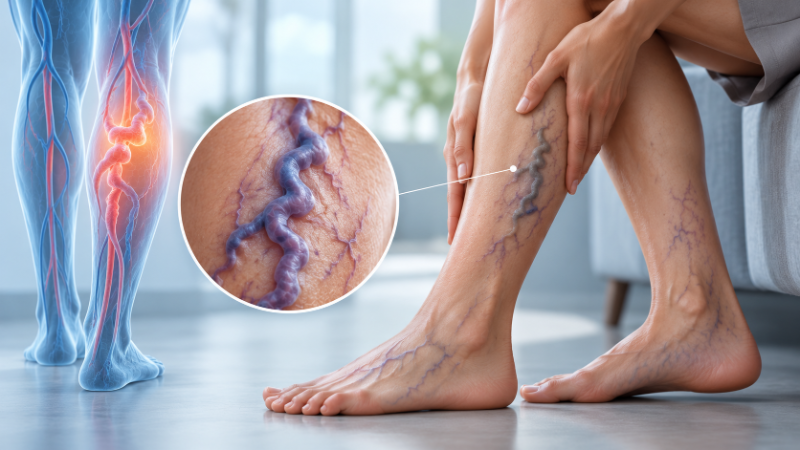
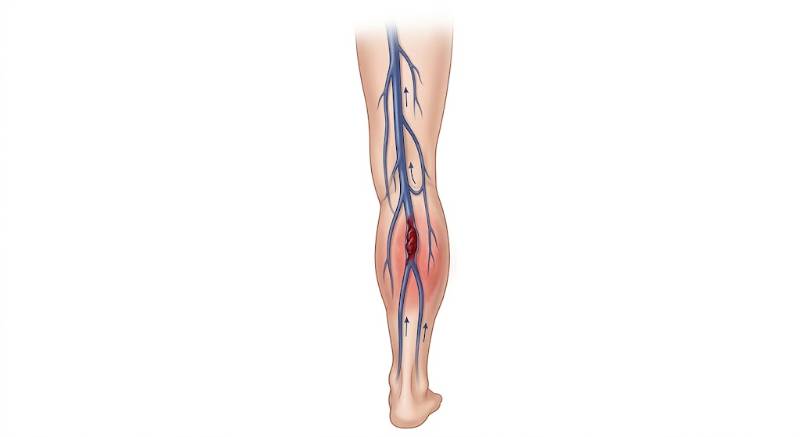
Varicose veins are enlarged, twisted veins that usually appear beneath the skin of the legs and feet. They may be blue or dark purple. They develop when the valves inside the veins do not work properly, allowing blood to flow backward and collect inside the vein instead of returning normally to the heart.
To understand what happens inside your legs, imagine that the veins are roads carrying blood from your feet back to your heart against gravity. Venous valves help keep the blood moving in the correct direction. When these valves become weak, pressure inside the veins increases. The veins then enlarge and become more visible beneath the skin.
Varicose veins may appear without troublesome symptoms. Some people may experience pain, heaviness, or swelling in the legs. The severity varies from person to person, so the appropriate treatment depends on the symptoms and a vein examination.
What Are the Early Symptoms of Varicose Veins?
The symptoms of varicose veins may begin with mild signs that you might ignore at first, such as feeling tired after standing for a long time or noticing thin veins on the surface of the skin. As the condition progresses, other symptoms may appear, including:
- Blue or purple veins: You may notice twisted, raised veins beneath the skin. They may be more visible when you are standing.
- Heavy legs: Your legs may feel tired or heavy, especially at the end of the day.
- Leg pain: You may feel aching, throbbing, or discomfort that increases after standing or sitting for long periods.
- Swollen feet and ankles: Swelling may increase during the day and improve after resting or raising your legs.
- Nighttime leg cramps: You may experience muscle cramps or discomfort during sleep.
- Itching and dry skin: Itching may develop around the affected veins. Skin color changes may also occur if the problem continues.
These symptoms are not specific to varicose veins. Leg swelling or pain may have other causes, so a medical examination can help identify the cause accurately.
What Causes Varicose Veins and Blue Veins?
Varicose veins are usually linked to weak vein walls or poorly functioning venous valves. Several factors may increase the likelihood of developing them or make them worse, including:
- Family history: If one of your parents or other family members has varicose veins, you may be more likely to develop them.
- Standing or sitting for long periods: Limited movement may increase blood pooling in the legs, especially if you work for many hours without changing position.
- Aging: Vein walls and valves may become weaker over the years, increasing the likelihood of varicose veins.
- Overweight and obesity: Extra weight increases pressure on the leg veins and may worsen symptoms.
- Pregnancy: Hormonal changes, increased blood volume, and pressure on the pelvic veins may cause or worsen varicose veins.
- Hormonal changes: Hormones may affect the vein walls and contribute to a higher risk in some women.
- Low physical activity: Blood may return less efficiently from the legs when you spend most of the day inactive.
Several factors may occur in the same person. Therefore, the presence of varicose veins does not necessarily mean that there is a problem with your lifestyle. Exercise alone also cannot guarantee that varicose veins will be prevented.
Can Varicose Veins Be Treated Without Surgery?
Yes. Symptoms can be relieved without surgery by changing your lifestyle and wearing medical compression stockings when they are suitable for your condition. However, these measures do not remove existing enlarged veins. A medical procedure may be needed if the varicose veins cause persistent pain or complications.
Walking and Physical Activity
Walking helps activate the leg muscles, which act as a pump that pushes blood toward the heart. If you sit or stand for many hours, try to include short periods of walking and movement during the day.
Activities that suit your condition, such as walking and swimming, may improve movement and reduce feelings of heaviness. However, exercise is not a definitive treatment for affected veins.
Raising Your Legs to Relieve Swelling
If you notice swelling in your feet and ankles at the end of the day, raising your legs above the level of your heart for short periods while resting may help reduce fluid accumulation and discomfort.
If the swelling continues or appears suddenly, do not rely on leg elevation alone. Consult a doctor to determine the cause.
Wearing Medical Compression Stockings
Compression stockings help improve the return of blood from the legs to the heart. They may reduce swelling, heaviness, and pain in some people.
The appropriate compression level and size depend on your health condition. It is best to consult a doctor before using them, especially if you have problems with arterial blood flow.
Maintaining a Healthy Weight and Avoiding Long Periods Without Movement
Maintaining a healthy weight can reduce pressure on the leg veins. If your work requires sitting at a desk or standing for long periods, change your position and move regularly.
These measures help control symptoms, but they do not close the affected vein or remove existing varicose veins.
What Are the Best Laser and Injection Treatments for Varicose Veins?
If symptoms continue despite lifestyle changes, or if the varicose veins cause pain or skin changes, your doctor may suggest treatment targeting the affected vein. The choice depends on the size and location of the veins and the results of an ultrasound examination.
Laser Treatment for Varicose Veins
Endovenous laser treatment is a modern method used for some cases of varicose veins. During the procedure, the doctor inserts a thin instrument into the vein under ultrasound guidance and uses laser energy to close it. Blood flow then shifts to other healthy veins.
This procedure is less invasive than traditional surgery and is usually performed under local anesthesia. You may be able to return to your usual activities after a short period, depending on your condition and your doctor’s instructions.
Injection Treatment for Varicose Veins
Sclerotherapy, also called injection treatment for varicose veins, involves injecting a substance into the vein that gradually closes it. The body then processes the vein over time.
This treatment may be used for small and medium-sized veins and certain types of varicose veins. More than one session may be needed depending on the number and size of the veins. The doctor determines whether injections are suitable after assessing your condition.
3. Radiofrequency Treatment
Radiofrequency catheters are used in some cases of varicose veins to close the affected vein with heat. This method is similar in principle to laser treatment. It aims to reduce backward blood flow inside the vein and redirect blood through healthy veins.
The choice between laser treatment, radiofrequency treatment, and injections depends on the nature of the affected veins, the examination results, and the doctor’s experience.
When Do Varicose Veins Require Surgery?
Not all cases of varicose veins require surgery. Less invasive procedures may be suitable. However, a doctor may recommend surgery in some cases, such as large varicose veins, severe symptoms, complications, or when other treatments are unsuitable.
Surgical options include removing or tying off the affected veins, depending on the condition. The doctor determines the most appropriate procedure after examining the legs and assessing blood flow through the veins.
Treating affected veins does not necessarily prevent new varicose veins from appearing. Medical follow-up and following post-treatment instructions therefore remain important.
When Are Varicose Veins Dangerous?
Varicose veins may cause complications if pressure inside the veins remains high for a long time. Pay attention to signs such as:
- Changes in skin color or increased skin thickness: Especially around the ankles.
- Skin ulcers: These may develop near the ankle and take a long time to heal.
- Bleeding from the veins: Varicose veins close to the skin’s surface may bleed after a minor injury.
- Superficial vein inflammation: This may appear as redness, warmth, pain, or hardness along the vein.
- Sudden swelling in one leg: Especially when accompanied by pain, warmth, or redness. This may indicate a blood clot and requires urgent assessment.
If you develop sudden shortness of breath or chest pain, especially along with swelling in one leg, seek emergency medical help because a clot may have traveled to the lungs.
How Can You Prevent Varicose Veins or Stop Them from Getting Worse?
Not all cases of varicose veins can be prevented, especially when genetics plays a major role. However, you can follow habits that help improve blood movement and reduce pressure on the veins:
- Walk and perform suitable physical activities regularly.
- Avoid sitting or standing in the same position for many hours.
- Raise your legs while resting if you have swelling.
- Maintain a healthy weight.
- Avoid clothing that puts strong pressure on your waist or upper legs if it increases your discomfort.
- Consult a doctor if you notice increasingly prominent veins or persistent pain and swelling.
These steps may relieve symptoms and reduce some risk factors, but they do not guarantee that varicose veins will be prevented or that affected veins will disappear.
When Should You See a Doctor for Varicose Veins?
Consult a doctor if prominent veins are accompanied by persistent pain, repeated swelling, itching, or skin changes, or if the symptoms affect your daily activities. Bleeding from varicose veins or sudden swelling in one leg requires urgent assessment.
In summary, varicose veins may begin as prominent veins or a mild feeling of heaviness. In some people, they may progress to pain, swelling, and skin changes. Understanding the causes of varicose veins and recognizing their symptoms can help you take appropriate action early.
If you frequently experience heavy legs or swollen feet, do not rely only on home treatments. Consult a doctor to identify the cause and choose the appropriate treatment, whether lifestyle changes, compression stockings, laser treatment, injections, or another medical procedure.
If you still need a doctor’s consultation regarding this condition, you can easily book an appointment through Vezeeta.
Related Keywords




References
https://www.nhs.uk/conditions/varicose-veins/
https://www.mayoclinic.org/diseases-conditions/varicose-veins/symptoms-causes/syc-20350643
https://www.medlineplus.gov/varicoseveins.html
https://www.nice.org.uk/guidance/cg168/chapter/Introduction
https://www.nice.org.uk/guidance/QS67/chapter/quality-statement-3-treatment-of-varicose-veins
https://my.clevelandclinic.org/health/diseases/4722-varicose-veins
https://www.cochrane.org/evidence/CD005624_which-procedures-are-best-treating-varicose-veins-leg