Symptoms of Heart Failure in Young Adults: Early Signs and Causes
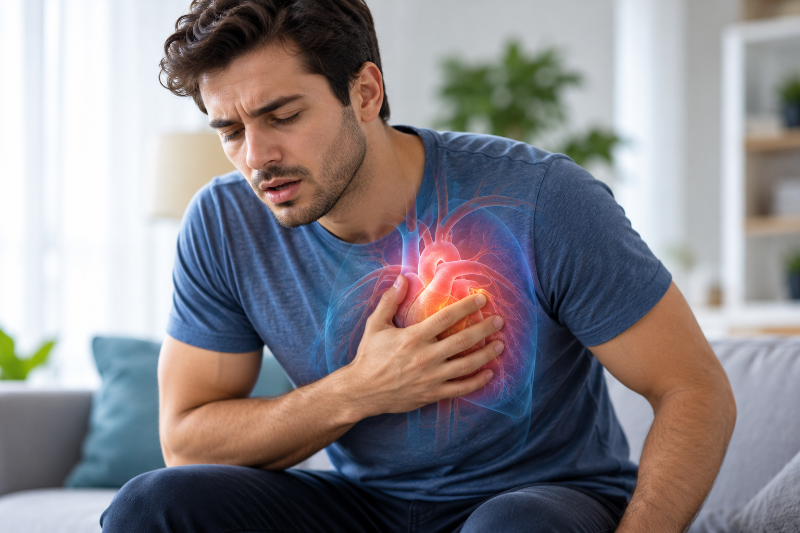
How Can I Tell Whether I Have Heart Failure?
You may suspect heart failure if you notice a persistent change in your ability to move or perform your usual activities, especially if you develop shortness of breath or fatigue with mild exertion, or swelling in your feet and ankles.
Heart failure occurs when the heart cannot pump blood efficiently enough or cannot fill its chambers normally. This may prevent tissues from receiving adequate amounts of oxygen and nutrients, or cause fluid to build up in the lungs and other parts of the body.
The main early symptoms of heart failure include:
- Shortness of breath: This may occur when walking, climbing stairs, or lying down. In more advanced cases, it may also occur at rest.
- Persistent tiredness and fatigue: Daily activities may become more difficult, or you may need frequent rest periods.
- Swelling in the feet and ankles: This results from fluid retention and may be accompanied by rapid weight gain over a short period.
- Rapid heartbeat or palpitations: You may feel that your heart is beating quickly or forcefully, especially during exertion.
- Persistent cough or wheezing: This may occur because of fluid buildup in the lungs and may sometimes worsen when lying down.
- Difficulty concentrating or dizziness: These symptoms may be related to reduced circulation or other causes that require medical evaluation.
These symptoms do not necessarily mean that you have heart failure. They may also result from anemia, lung disease, thyroid disorders, or other conditions. Diagnosis depends on a doctor’s assessment and appropriate tests, not on symptoms alone.
Symptoms of Heart Failure in Young Adults
Young adults can develop heart failure despite their age, and the symptoms may be difficult to recognize at first because they can resemble fatigue caused by studying, working, or exercising.
For example, if you can no longer complete a workout at your usual level, or you become short of breath while walking quickly, do not ignore a persistent change in your physical ability, especially if it occurs with palpitations, dizziness, or swelling in the legs.
Signs of heart failure in young adults include:
- Reduced ability to exercise or perform physical activity.
- Unusual tiredness, even after getting enough sleep.
- Shortness of breath when climbing stairs or walking short distances.
- Heart palpitations or an irregular heartbeat.
- Recurrent dizziness, and fainting in some cases.
- Swelling in the ankles or feet, or rapid weight gain due to fluid retention.
What Causes Heart Failure in Young Adults?
The causes of weakened heart muscle and heart failure vary from person to person. They may include:
- Inherited cardiomyopathy.
- Myocarditis, which may occur after certain infections.
- Congenital heart defects.
- Persistent or rapid heart rhythm disorders.
- Uncontrolled high blood pressure.
- Certain medicines or substances that may affect the heart muscle, depending on their type and dose.
Feeling tired or experiencing palpitations alone does not mean that you have heart disease. However, persistent or worsening symptoms require medical evaluation, especially if there is a family history of cardiomyopathy or sudden cardiac death at a young age.
What Does a Person With Heart Failure Feel When Sleeping?
A person with heart failure may notice that breathing becomes more difficult when lying down. They may need to use several pillows to raise the upper body and breathe more comfortably.
They may also wake up after sleeping for a while with a feeling of choking or severe shortness of breath and need to sit or stand until the symptoms improve. This symptom is known as paroxysmal nocturnal dyspnea. It may be related to fluid buildup in the lungs caused by heart failure.
However, breathing difficulties during sleep are not specific to heart failure. They may also occur with sleep apnea, lung disease, and other health problems.
If you repeatedly wake up because of shortness of breath, or need more pillows to sleep comfortably, consult a doctor to identify the cause.
Medical warning: If you experience sudden severe shortness of breath, chest pain, fainting, or blue lips, call emergency services immediately.
Can the Heart Muscle Recover After It Becomes Weak?
Yes. Heart muscle function may improve after it becomes weak. In some cases, the heart may recover much of its function or return close to normal. This depends on the cause, the extent of the damage, and the body’s response to treatment.
For example, heart function may improve in some people with cardiomyopathy caused by inflammation or a heart rhythm disorder after the underlying cause is treated and controlled. Some patients may also achieve significant improvement by following the prescribed treatment and attending regular follow-up appointments.
Factors that may help improve heart muscle function include:
- Treating the underlying cause of heart failure whenever possible.
- Taking the medicines prescribed by the cardiologist and not stopping them without medical advice.
- Monitoring blood pressure, diabetes, and cholesterol when present.
- Reducing salt intake according to the doctor’s recommendations and following instructions about fluids.
- Engaging in appropriate physical activity after medical evaluation.
- Avoiding smoking and substances that may harm the heart.
It is important to distinguish between improved heart function and a complete cure. Heart function and symptoms may improve while treatment and follow-up remain necessary to prevent the condition from worsening again.
Can Heart Failure Be Cured?
The possibility of recovery from heart failure depends on its cause and severity. In some cases, treating the underlying cause can lead to major improvement in heart function. Many patients, however, need long-term treatment to control symptoms and reduce complications.
Treatment usually includes medicines that help reduce fluid retention, improve heart function, and lower the risk of hospitalization. Some patients may need medical devices or surgery, depending on the type of heart problem.
Treatment is not limited to medicines. Following an appropriate lifestyle, monitoring weight and symptoms, and attending regular medical appointments can help detect worsening early.
How Is Heart Failure Diagnosed?
If a doctor suspects heart failure, they will ask about your symptoms and medical and family history. They will then examine your heart and lungs and check for swelling or other signs of fluid retention.
The doctor may request several tests, including:
- Electrocardiogram: This can detect heart rhythm disorders and some signs that may indicate a heart problem.
- Echocardiogram: This evaluates the heart’s structure, muscle movement, and pumping ability. It is one of the main tests used to diagnose heart failure.
- Blood tests: These may include measurements of markers such as BNP or NT-proBNP, which can help assess the possibility of heart failure, along with other tests based on the patient’s condition.
- Chest X-ray: This may show signs of lung congestion or an enlarged heart when needed.
- Additional tests: These may include kidney and thyroid function tests or cardiac magnetic resonance imaging, depending on what the doctor considers appropriate.
An electrocardiogram alone is not enough to confirm or rule out heart failure. Its results must be interpreted together with the symptoms, clinical examination, and other test results.
Is Heart Failure Dangerous?
Yes. Heart failure can be a serious condition if it is not diagnosed and treated appropriately. However, many patients can manage it with treatment and regular follow-up. Severe or sudden shortness of breath, chest pain, or fainting requires emergency medical care.
Overall, heart failure symptoms may begin with unusual fatigue or shortness of breath during daily activities and later progress to swelling in the feet or difficulty breathing during sleep. These signs do not necessarily mean that a person has a heart problem, but they deserve medical evaluation if they persist or become worse. Early diagnosis and identifying the cause of weakened heart muscle can help guide appropriate treatment, improve quality of life, and reduce the risk of complications.
If you still need a doctor’s consultation regarding this condition, you can easily book an appointment through Vezeeta.
Related Keywords




References
https://www.heart.org/en/health-topics/heart-failure/heart-failure-explained
https://www.heart.org/en/health-topics/heart-failure/diagnosing-heart-failure
https://www.mayoclinic.org/diseases-conditions/heart-failure/symptoms-causes/syc-20373142
https://www.mayoclinic.org/diseases-conditions/heart-failure/diagnosis-treatment/drc-20373148
https://medlineplus.gov/heartfailure.html
https://www.nhs.uk/conditions/heart-failure/