What Causes Atherosclerosis, and Can It Be Prevented?
What Is Atherosclerosis?
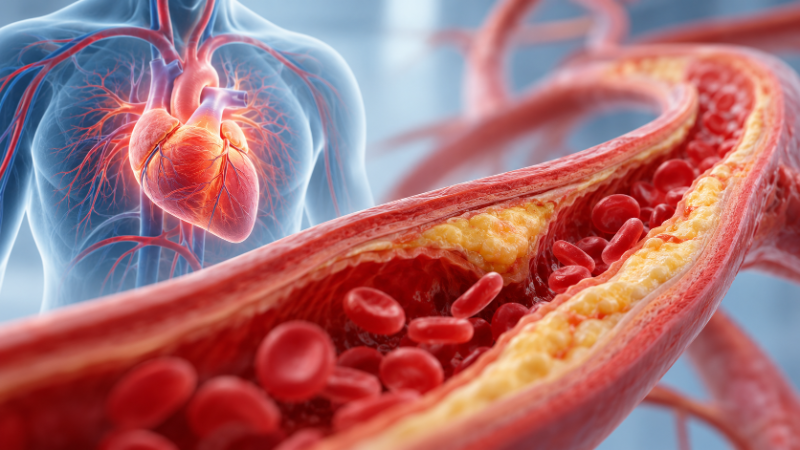
Atherosclerosis is a condition in which plaques build up inside the artery walls. These plaques are made of cholesterol, fat, calcium, and other substances. As the plaques grow, the arteries become narrower and lose some of their flexibility, reducing blood flow to organs and tissues.
To understand this more simply, imagine that arteries are tubes that carry blood to different parts of your body. When plaques build up inside them, there is less space for blood to pass through. A blood clot may also form if one of these plaques ruptures.
These changes occur gradually and may begin at an early age, years before they are detected. Having high cholesterol alone does not mean that you have atherosclerosis, but it is one of the most important risk factors that requires monitoring.
What Is the Difference Between Atherosclerosis and Artery Blockage?
Atherosclerosis is a process in which plaques build up inside artery walls, causing them to thicken, lose flexibility, and narrow the blood passage. Artery blockage refers to a partial or complete interruption of blood flow. It may result from severe narrowing caused by plaques or from a blood clot blocking the vessel.
What Causes Atherosclerosis in the Heart?
If you are wondering what causes atherosclerosis in the heart, it is important to know that the problem is not related only to eating fatty foods. It is also affected by your health and daily habits. Atherosclerosis often begins with damage to the inner lining of an artery, which makes plaque buildup easier over time.
The main factors that increase the risk include:
- High LDL cholesterol: High levels in the blood can cause cholesterol to build up inside artery walls, especially when they remain untreated.
- High blood pressure: It places continuous pressure on blood vessel walls and may contribute to damage of their inner lining.
- Smoking: It damages blood vessels and increases inflammation. It also raises the risk of blood clots.
- Diabetes: High blood sugar increases the risk of blood vessel damage and the development of atherosclerosis.
- High triglycerides: This may be linked to a higher risk of heart and blood vessel disease, especially when other risk factors are present.
- Low physical activity and excess weight: These may contribute to high blood pressure and abnormal blood fat and blood sugar levels.
- Older age and family history: The likelihood of developing atherosclerosis increases with age. The risk may also be higher if a family member developed heart disease at an early age.
Having one of these factors does not mean that you will definitely develop atherosclerosis. However, knowing about them can help you identify what you can change and what requires regular medical follow-up.
What Are the Symptoms of Atherosclerosis?
You may not notice any signs of atherosclerosis in its early stages, even if plaques have started to build up inside the blood vessels. Symptoms usually appear when narrowing limits blood flow to an organ. The symptoms vary depending on which arteries are affected.
Common symptoms of atherosclerosis that you should pay attention to include:
- Chest pain or pressure: You may feel chest pain or heaviness during physical effort or stress because of reduced blood flow to the heart muscle.
- Shortness of breath: This may occur during physical effort, especially if blood flow to the heart is affected.
- Leg pain while walking: If the peripheral arteries are affected, you may feel pain or cramping in the leg while walking that improves with rest.
- Sudden numbness or weakness: These symptoms, especially when they affect one side of the body or occur with difficulty speaking, may indicate reduced blood flow to the brain.
How Is Atherosclerosis Diagnosed?
If you have risk factors for atherosclerosis, your doctor may recommend tests to assess your health and determine whether you need additional investigations.
Diagnosis is based on symptoms, medical history, and a physical examination. It may include the following:
- Blood lipid test: This measures total cholesterol, LDL cholesterol, HDL cholesterol, and triglycerides. It helps assess the risk of heart disease.
- Blood pressure and blood sugar measurements: These can detect high blood pressure or diabetes, which are important risk factors.
- Ultrasound of the blood vessels: This helps assess blood flow and detect some cases of narrowing, such as narrowing in the carotid or leg arteries.
- CT scans and angiography: Your doctor may request these tests to assess certain arteries and identify areas of narrowing or blockage when needed.
- Heart tests: These may include an electrocardiogram or a stress test, depending on your symptoms and whether coronary arteries may be affected.
It is important to know that a cholesterol test alone cannot detect an artery blockage. A normal electrocardiogram also does not rule out all cases of atherosclerosis. Therefore, your doctor chooses the appropriate tests based on your condition.
How Can You Prevent Atherosclerosis?
You may not be able to change some risk factors, such as age and family history. However, you can take effective steps to reduce plaque buildup and lower the likelihood of heart and blood vessel complications.
Here are the main changes you can begin making:
- Choose heart-healthy foods: Eat vegetables, fruits, whole grains, legumes, nuts, and lean sources of protein. Limit saturated and trans fats, highly processed foods, and excessive salt and added sugars.
- Exercise regularly: Physical activity can improve blood pressure, blood fat levels, and blood sugar. It also supports heart health. If your health allows it, try to reach 150 minutes per week of moderate-intensity aerobic activity, such as brisk walking.
- Quit smoking: If you smoke, quitting is one of the most important steps you can take to protect your blood vessels and reduce the risk of heart attacks and strokes. Also avoid secondhand smoke.
- Maintain a healthy weight: If you are overweight, gradual weight loss may improve blood pressure, cholesterol, and blood sugar levels, especially when combined with lasting changes in diet and physical activity.
- Monitor your blood pressure, cholesterol, and blood sugar: Do not wait for symptoms before checking these measurements, because atherosclerosis can progress without clear signs. Follow the regular testing schedule recommended by your doctor, especially if you have diabetes, high blood pressure, or a family history of early heart disease.
- Take treatment as prescribed: Depending on your condition, you may need cholesterol-lowering medicines, such as statins, or medicines to control blood pressure or blood sugar. Do not stop taking any medicine or start aspirin on your own, because appropriate treatment differs from one person to another.
In the end, do not wait for symptoms before taking care of your arteries. Atherosclerosis may develop for years without clear signs. Learning about the causes of atherosclerosis and controlling risk factors such as high cholesterol, high blood pressure, and diabetes can help reduce the likelihood of serious complications. Follow a healthy diet, exercise regularly, avoid smoking, attend regular checkups, and consult your doctor to determine the steps that are appropriate for your condition.
If you still need a doctor’s consultation regarding this condition, you can easily book an appointment through Vezeeta.
Related Keywords






References
https://medlineplus.gov/atherosclerosis.html
https://www.cdc.gov/heart-disease/risk-factors/
https://www.nhlbi.nih.gov/health/atherosclerosis/prevention
https://www.mayoclinic.org/diseases-conditions/arteriosclerosis-atherosclerosis/symptoms-causes/syc-20350569
https://www.medlineplus.gov/ency/article/000171.htm
https://www.cdc.gov/diabetes/diabetes-complications/diabetes-and-your-heart.html