Is Postpartum Hair Loss Normal or Does It Require Treatment?
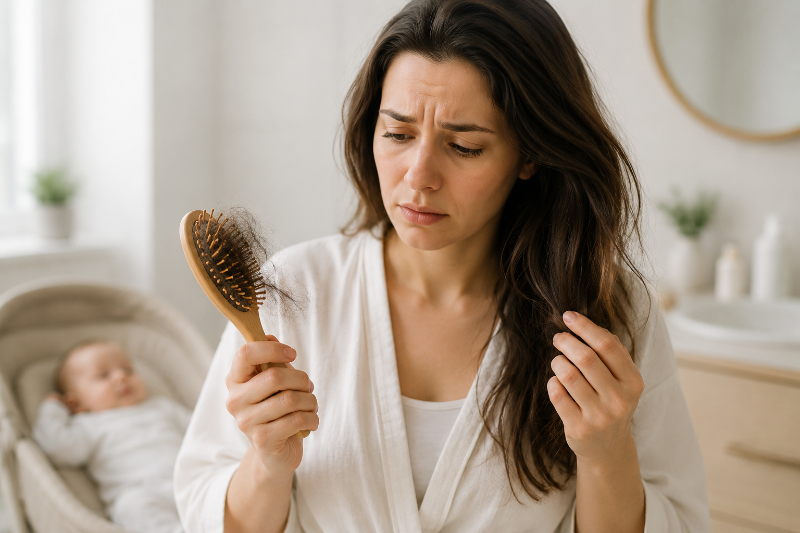
Is Hair Loss After Childbirth Normal?
Yes, postpartum hair loss is completely normal and is a very common experience among new mothers. In most cases, it is temporary and not a cause for concern. Under normal circumstances, hair follows a natural growth cycle that includes the growth phase, resting phase, and shedding phase.
During pregnancy, increased estrogen levels keep more hair follicles in the growth phase, making the hair appear thicker, fuller, and healthier. After childbirth, estrogen levels drop rapidly, causing a large number of hair follicles to enter the shedding phase at the same time. As a result, noticeable hair loss often occurs within the first few months after delivery.
What Causes Postpartum Hair Loss?
Postpartum hair loss can result from several factors, and in many cases, more than one factor contributes to the condition. The most common causes include:
- Sudden hormonal changes: A sharp drop in estrogen and progesterone levels after childbirth causes a large number of hair follicles to enter the shedding phase simultaneously, a condition known as telogen effluvium.
- Physical stress after childbirth: The physical demands of labor and delivery place significant stress on the body, which can affect hair health.
- Sleep deprivation: Interrupted sleep and exhaustion from caring for a newborn can disrupt the body's balance and contribute to increased hair shedding.
- Emotional stress: The emotional changes and new responsibilities that come with motherhood may worsen postpartum hair loss.
- Nutritional deficiencies: Low levels of essential nutrients, such as iron, zinc, and vitamin D, can negatively affect healthy hair growth.
- Blood loss during childbirth: Significant blood loss during delivery may reduce the body's iron stores, increasing the risk of hair shedding.
Why Does Hair Loss Occur After a Cesarean Section?
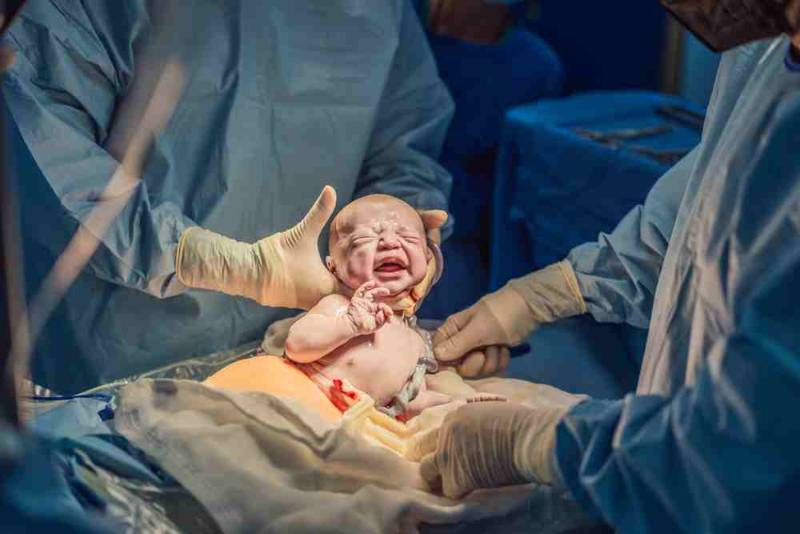
Women who deliver by cesarean section (C-section) may notice more pronounced hair loss than those who have a vaginal delivery. However, the hair loss is not caused by the surgical procedure itself. Instead, it is related to the physical stress associated with surgery. A cesarean section places additional strain on the body, requiring more energy for healing and recovery. General or spinal anesthesia, postoperative medications and pain relievers, along with the possibility of greater blood loss during surgery, can all increase physical stress and trigger telogen effluvium, leading to more noticeable hair shedding.
What Causes Hair Loss While Breastfeeding?
Hair loss during breastfeeding is usually the result of ongoing postpartum changes rather than breastfeeding itself. Several factors may contribute, including:
- Persistent hormonal changes: Estrogen levels remain lower after childbirth and may take time to return to normal, prolonging the hair shedding phase.
- Elevated prolactin levels: Prolactin, the hormone responsible for milk production, may indirectly influence the hair growth cycle and contribute to continued hair shedding in some mothers.
- Nutritional deficiencies: Breastfeeding increases the body's need for nutrients such as iron, zinc, calcium, and vitamins B and D. Inadequate intake of these nutrients can weaken hair and increase shedding.
- Nutrient prioritization: During breastfeeding, the body prioritizes nutrients for milk production and vital organs, which may reduce the supply of nutrients available to hair follicles.
- Physical fatigue and lack of sleep: The demands of caring for a newborn, combined with sleep deprivation and physical exhaustion, can negatively affect overall health and increase hair loss.
- Iron deficiency or anemia: Blood loss during childbirth or inadequate nutrition may lead to low iron levels, one of the most common causes of excessive hair shedding and weakened hair.
When Does Postpartum Hair Loss Stop?
Postpartum hair loss typically begins 2 to 4 months after childbirth and usually reaches its peak around the fifth month. In most cases, hair shedding gradually decreases, and normal hair growth resumes within 6 to 12 months after delivery.
If hair loss continues for more than a year or you notice significant thinning or visible bald patches, it is recommended to consult a healthcare provider to identify any underlying cause.
How to Treat Postpartum Hair Loss
Managing postpartum hair loss requires patience and a gentle hair care routine that supports healthy hair from both the inside and the outside. The following tips can help promote recovery:
- Eat a balanced diet rich in protein, iron, and omega-3 fatty acids to nourish hair follicles and support healthy hair growth.
- Use a mild, sulfate-free shampoo and limit the use of heat styling tools and chemical hair treatments.
- Use a wide-tooth comb and avoid brushing your hair aggressively, especially when it is wet, to minimize breakage.
- Avoid tight hairstyles, such as tight ponytails or braids, as they can place extra stress on the hair and increase shedding.
- Reduce stress and get adequate rest whenever possible, as good sleep and relaxation help restore the body's natural balance.
- Continue taking postnatal vitamins or other supplements recommended by your healthcare provider to replenish essential nutrients.
Best Vitamins for Postpartum Hair Loss
There is no single vitamin that can completely prevent or treat postpartum hair loss. Instead, new mothers benefit most from comprehensive nutritional support. Postnatal vitamins are considered one of the best options because they provide a balanced combination of nutrients that support both overall health and healthy hair growth.
The most important nutrients include:
- Vitamin D: Supports healthy hair follicle function and promotes hair growth.
- B-complex vitamins: Help improve oxygen and nutrient delivery to the scalp, supporting healthy hair growth.
- Vitamin C: Enhances iron absorption and stimulates collagen production, which is essential for strong, healthy hair.
- Iron: A key nutrient for preventing hair loss associated with iron deficiency anemia.
- Zinc: Supports hair growth and helps maintain healthy, strong hair.
For the best results, combine these nutrients with a balanced diet and consult your healthcare provider before taking any supplements, especially if you are breastfeeding.
Does Folic Acid Help Treat Postpartum Hair Loss?
Yes. Folic acid (Vitamin B9) plays an important role in cell growth and renewal, including the cells that make up hair follicles. Adequate folic acid intake may help support the growth of new, healthy hair following postpartum hair shedding.
Which Vitamin Deficiency Causes Hair Loss?
Deficiencies in vitamin D and iron are among the most common nutritional causes of hair loss. Low levels of these nutrients can disrupt the normal hair growth cycle, weaken hair follicles, and reduce the scalp's ability to produce healthy, strong hair.
Overall, postpartum hair loss is a normal and temporary condition experienced by most women as a result of the hormonal and physical changes that occur after childbirth. With a balanced diet, gentle hair care, and enough time for the body to recover, hair usually regains its normal growth and thickness. However, if hair loss persists for an extended period or becomes unusually severe, it is important to consult a healthcare provider to determine the underlying cause and receive appropriate evaluation and treatment.
If you still need a doctor’s consultation regarding this condition, you can easily book an appointment through Vezeeta.
Related Keywords
Specialized Doctors


References
https://my.clevelandclinic.org/health/diseases/23297-postpartum-hair-loss
https://www.hopkinsmedicine.org/health/wellness-and-prevention/postpartum-hair-loss
https://www.webmd.com/baby/postpartum-hair-loss
https://www.aad.org/public/diseases/hair-loss/insider/new-moms
Specialized Doctors