Tips Before and After a Cesarean Section and Its Signs
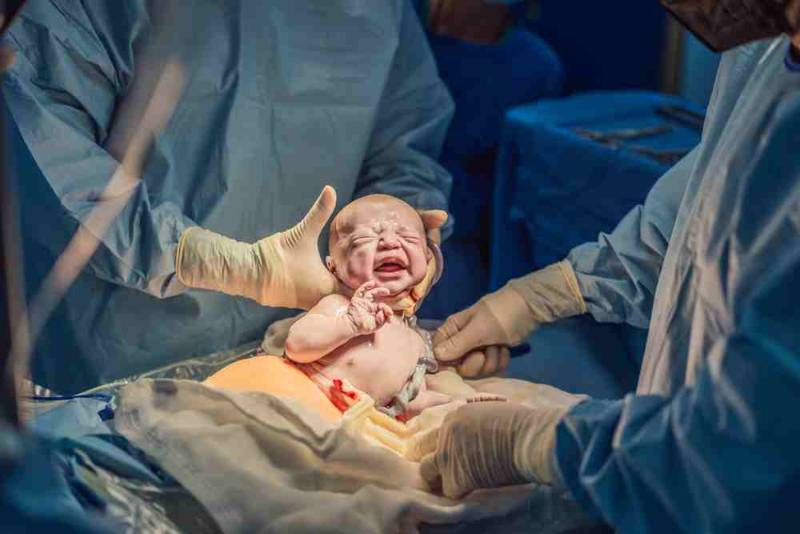
There’s no moment more powerful than when a mother holds her newborn for the first time. But for many women, the thought of a cesarean section (C-section) can overshadow that joy with fear and anxiety. In recent years, C-sections have become increasingly common—and for good reason. When done appropriately, they can be a life-saving alternative to natural childbirth.
In this article, we’ll explore when a C-section is necessary, the benefits it offers, how it’s performed, and the essential steps for a smooth recovery.
What Is a Cesarean Section?
A C-section is a surgical procedure in which a baby is delivered through an incision made in the mother's abdomen and uterus. It’s usually performed when a vaginal delivery poses risks to the mother or baby.
What are Benefits of Cesarean Delivery?
C-sections offer a safer alternative in many high-risk pregnancies. They:
- Prevent complications in cases of obstructed labor or abnormal fetal positions.
- Avoid risks associated with maternal infections that could affect the baby during vaginal delivery.
- Provide a pain-managed experience using spinal or general anesthesia.
When Is a C-Section Necessary?
Medical or emergency reasons include:
- Placenta previa (placenta covering the cervix)
- Previous C-section(s) or uterine surgeries
- Fetal distress or birth defects
- Large baby or small maternal pelvis
- Breech or transverse fetal position
- Multiple births (twins or more)
- Umbilical cord prolapse or entanglement
- Lack of labor progression
How to Prepar for a Cesarean Delivery?
Before the surgery:
- Pack essential items for you and your baby.
- Attend all prenatal check-ups and complete the recommended tests.
- Avoid eating or drinking for 6–8 hours before surgery.
- Remove hair near the incision site as advised.
- Arrange support at home for post-surgery care.
How Is a C-Section Performed?
- IV and urinary catheter placement
- Regional (spinal or epidural) or general anesthesia
- Abdominal and uterine incisions
- Delivery of the baby, followed by placental removal
- Suturing of the uterus and abdominal wall
- Dressing the surgical site
Duration: approximately 45 minutes.
How is Pain Managed and Recovered Through & Post C- Section?
Options include:
- Spinal anesthesia or epidural: numbs the lower body.
- General anesthesia: used in emergencies.
- Tap block injection: offers pain relief for up to 24 hours post-op.
- PCA (Patient-Controlled Analgesia): delivers pain medication through a vein.
Post-C-Section Recovery Tips
- Rest, but move gently to reduce the risk of clots.
- Eat nutritious foods and stay hydrated.
- Avoid lifting heavy objects.
- Refrain from driving, swimming, or sexual activity for 6 weeks.
- Sleep on your back or side to reduce pressure on the incision.
- Monitor the wound for signs of infection.
Healing timeline:
- Wound closure: 7–10 days
- Full recovery: 4–6 weeks
What are Risks and Drawbacks of C-Section ?
Though generally safe, potential complications include:
- Infection or bleeding
- Injury to nearby organs
- Increased recovery time
- Difficulty breastfeeding
- Risks in future pregnancies (e.g., placenta previa, uterine rupture)
Final Thoughts
Cesarean delivery has saved countless lives and offers a secure solution when vaginal delivery isn’t an option. While it comes with its own set of challenges, proper preparation and post-op care can ensure a smooth recovery. Following your doctor’s guidance before and after surgery is key to keeping you and your baby safe.
If you still need to consult a doctor regarding this condition, you can easily book an appointment through Vezeeta
Related Keywords



References
مايو كلينك (Mayo Clinic) – الولادة القيصرية: لماذا تُجرى، المخاطر، وما يمكن توقعه.
https://www.mayoclinic.org/tests-procedures/c-section
الكلية الأمريكية لأطباء النساء والتوليد (ACOG) – الولادة القيصرية.
https://www.acog.org/womens-health/faqs/cesarean-birth
كليفلاند كلينك (Cleveland Clinic) – الولادة القيصرية: الإجراء، المخاطر، والتعافي.
https://my.clevelandclinic.org/health/treatments/7244-cesarean-section
الخدمات الصحية الوطنية البريطانية (NHS) – الولادة القيصرية.
https://www.nhs.uk/conditions/caesarean-section