Medical Articles about Dermatology
Panavidone 10% Topical Solution: Uses, How to Use, and Side Effects
Panavidone 10% Topical Antiseptic Solution is a povidone-iodine skin antiseptic used to help reduce germs on minor cuts, scrapes, small burns, wounds, and skin before some procedures. It is not a substitute for proper wound cleaning, medical care, or antibiotics when an infection is already spreading. This guide explains what Panavidone contains, how povidone-iodine solution is usually used, when dilution may be appropriate, what side effects to watch for, and when a doctor or pharmacist should be consulted.
Oxidil 5% Topical Solution: Uses, Dosage, Side Effects, and Price in Egypt
Oxidil 5% topical solution is a minoxidil hair-loss treatment used mainly for androgenetic alopecia, commonly known as hereditary pattern hair loss. It is applied directly to the scalp and works gradually, so consistent daily use is important. This article explains what Oxidil contains, how minoxidil 5% is usually used, when results may appear, possible side effects, precautions for women, pregnancy and breastfeeding cautions, and how to check the current Oxidil price in Egypt.
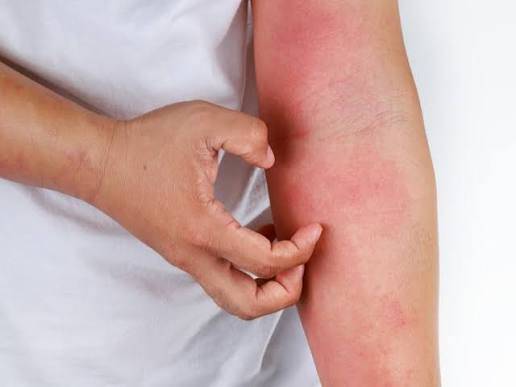
What Is Contact Dermatitis and How Can You Treat It?
Two people may use the same product, yet one has no problems while the other develops itching, redness, and obvious skin irritation. This difference is related to the nature of the skin and how sensitive it is to certain substances. It may be a sign of contact dermatitis. What is the difference between irritant and allergic contact dermatitis? What are its symptoms and causes? Can it be treated at home or with creams and herbal remedies? When can it become serious, and can it affect the face or sensitive areas? We will discuss these questions below, along with ways to treat contact dermatitis and protect the skin from repeated episodes.
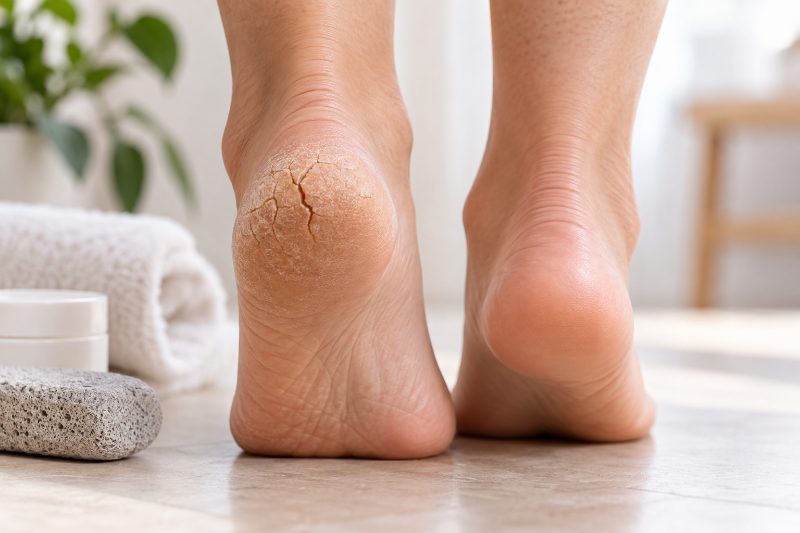
What Causes Cracked Heels? And How Can You Get Rid of Dry, Rough Skin on Your Feet?
You might notice some roughness on your heel at first. Then the cracks start showing up, little by little. After a while, walking or standing for a long time starts to hurt. This happens when the skin loses its moisture and elasticity, especially when your heel is under constant pressure and friction. But is dryness the only thing behind it? Or could recurring cracks signal something that needs more attention? This article walks through the main causes of cracked heels, how to treat them, and what you can do to keep your feet soft and healthy.
Are Spider Veins Dangerous? How to Treat Them Effectively
If you've noticed thin red or blue lines branching under your skin like a web, you're probably looking at spider veins. These small, dilated vessels sit close to the skin's surface, showing up most often on the legs, though the face, especially around the nose and cheeks, is another common spot. Some people feel heaviness, itching, or mild discomfort alongside them. So what causes them? Can you treat them at home? And when do you actually need laser or injection therapy?

Do Chapped Lips Mean You're Low on Vitamins? And How Do You Treat Them Fast?
You might assume your chapped lips are just a side effect of cold weather or not drinking enough water. But when the dryness and peeling stick around even after you've been moisturizing, something else might be going on. Sometimes it's a vitamin or mineral shortage. Other times, it's a daily habit or a health issue you haven't thought about. So what's really behind cracked lips? And what actually works to fix them?

Chemical Face Peel: Benefits, Types, Risks & Recovery
Skin loses its glow over time. Dead cells build up, sun exposure leaves its mark, dark patches appear, and acne scars stick around. A chemical peel is one of the options that can help turn this around — stripping away damaged surface layers and making room for fresher, healthier skin to come through. But is it right for every skin type? What are the real benefits and risks, and how do you pick the right type? Here's a detailed look at everything you need to know.

Excessive Palm Sweating: Causes and Treatment Options
Excessive palm sweating can begin with a simple situation. A brief handshake may become embarrassing when your hands feel wet. A sheet of paper may become damp while you write, or your phone may be difficult to hold because of sweat. Over time, you may notice that your palms sweat heavily even when you are resting or the weather is comfortable. Why does this happen? Are there effective ways to control it? This article explains the main causes of palmar hyperhidrosis, its common features, and the available treatment options.

Nail Fungus Treatment: Effective Methods to Get Rid of It and How Long It Takes
Those small changes in your nails might not seem like a big deal at first. But white or yellow spots, thickening, or a nail that starts looking different could actually be signs of a fungal infection. If the infection sticks around, the nail can turn brittle, start flaking, and even become painful or uncomfortable. That's why treating nail fungus depends on how severe the infection is and what type of fungus you're dealing with.

Is Postpartum Hair Loss Normal or Does It Require Treatment?
Postpartum hair loss is a common and temporary condition that affects many women after childbirth. It is mainly caused by hormonal changes, physical recovery, stress, and nutritional deficiencies. In this article, you'll learn why postpartum hair loss happens, when it is considered normal, how long it typically lasts, and the most effective ways to restore healthy hair growth and regain hair thickness safely.