

Dizzy and pale? Discover how to treat anemia and boost your iron.
What is anemia?
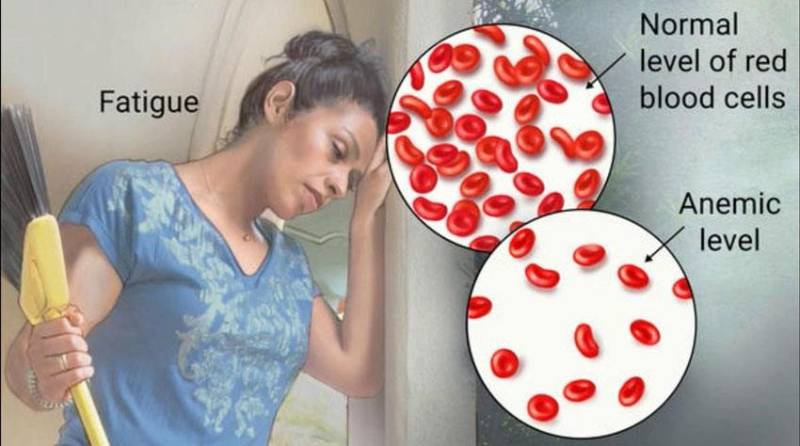
Anemia is a medical condition that occurs when the body lacks enough healthy red blood cells (RBCs) to carry sufficient oxygen to body tissues. It can also be defined as a decrease in hemoglobin, the protein within red blood cells responsible for binding and transporting oxygen. When these levels drop, the heart must work harder to pump more blood to compensate for the oxygen shortage, leading to persistent fatigue, weakness, and shortness of breath.
What causes anemia?
The causes of anemia vary; some are simple and easily treated, while others are linked to health conditions requiring medical attention. The most common causes include:
Iron deficiency: The most prevalent cause, as iron is essential for producing hemoglobin.
Blood loss: Such as chronic bleeding from stomach ulcers or post-surgery.
Poor nutrient absorption: Caused by certain digestive problems that prevent the body from absorbing essential nutrients.
Vitamin deficiencies: Such as vitamin B12 and folic acid, both necessary for forming healthy red blood cells.
Types of anemia
Anemia is not limited to one type; there are several kinds depending on the cause. The most common are iron deficiency anemia and pernicious anemia, which results from a deficiency of vitamin B12.
Another important type is G6PD deficiency (favism), a genetic condition that weakens red blood cells, making them more prone to rapid breakdown when exposed to certain triggers, such as specific foods. This sudden breakdown can cause severe anemia requiring urgent medical attention.
What is the difference between iron stores and anemia?
Many people confuse these terms. Anemia means the hemoglobin level in the blood is low, affecting the body’s ability to transport oxygen and causing fatigue and weakness.
Iron stores (ferritin) refer to the amount of iron stored in the body for use when needed.
Iron stores may be low without anemia initially, but if the deficiency continues untreated, the body will start using the stored iron until hemoglobin levels drop, resulting in anemia. Therefore, low iron stores serve as an early warning that requires attention and preventive treatment.
Symptoms of anemia
Symptoms often develop gradually, and a person may not notice them at first. As hemoglobin levels drop, the following signs may appear:
- Fatigue and weakness
- Shortness of breath or rapid breathing with mild exertion, such as climbing stairs
- Pale skin and face
- Cold hands and feet
- Dizziness and frequent headaches
In advanced cases, patients may experience:
- Rapid heartbeat
- Chest pain or tightness
A less common symptom is craving non-food items, such as ice, which may be linked to iron deficiency.
Anemia treatment in adults
Treating anemia in adults primarily involves addressing the underlying cause. If caused by iron deficiency, oral iron supplements are prescribed in specific doses, often recommended with vitamin C to enhance absorption. In severe cases or when absorption is an issue, intravenous iron may be administered. If anemia is caused by vitamin deficiencies, treatment focuses on correcting the deficiency through supplements or injections.
Foods that help treat anemia
Red meat, especially liver, is among the richest sources of easily absorbed iron, making it effective for preventing and treating anemia. Liver is also high in vitamin B12, essential for producing healthy red blood cells.
For vegetarians, iron can be obtained from plant sources such as spinach, legumes, and broccoli, preferably consumed with citrus fruits like oranges or lemons to enhance absorption. Iron-fortified cereals are also a suitable option to meet daily requirements.
Best drinks for anemia
There is no single “miracle” drink, but beetroot juice is among the most effective for supporting blood health due to its iron and folic acid content. Pomegranate juice is also beneficial because of its minerals. Drinks rich in vitamin C, like orange juice, are ideal when consumed with meals as they significantly improve iron absorption.
When is anemia dangerous?
Anemia becomes an emergency if hemoglobin drops below 7–8 g/dL or if the decline is sudden and severe, potentially causing heart failure or respiratory issues. Iron stores are considered critical when ferritin levels fall below 10–15 ng/mL. In such cases, doctors may need to perform an urgent blood transfusion to prevent irreversible health deterioration.
Can anemia turn into cancer?
It is important to clarify a common misconception: anemia itself does not turn into cancer. However, anemia can be a symptom of an undetected cancer, such as colon cancer, which may cause hidden bleeding, or blood cancers (like leukemia) that affect bone marrow production. If anemia does not respond to conventional treatment or is accompanied by unexplained weight loss, further tests are necessary to rule out tumors.
Conclusion
Treating anemia goes beyond taking supplements randomly; it requires understanding the root cause of low blood levels. While many cases begin with mild symptoms like temporary fatigue, neglecting them can lead to health consequences affecting heart function and mental alertness.
If you still need medical advice regarding this condition, you can easily book an appointment through Vezeeta.
Related Keywords
Specialized Doctors

Amira Gamea
Consultant in general internal medicine, diabetes and gastroenterology at Police Authority Hospitals

Saeed Mohamed Aid
Consultant And Professor of internal medicine,and nephrology-Faculty Of Medicine- Zagazig University.

Ayman Mahmoud Moustafa
Senior Consultant of Internal medicine
References
- https://my.clevelandclinic.org/health/diseases/3929-anemia
- https://my.clevelandclinic.org/health/diagnostics/17158-ferritin-test
- https://www.mayoclinic.org/diseases-conditions/anemia/symptoms-causes/syc-20351360
- https://www.mayoclinic.org/tests-procedures/blood-transfusion/about/pac-20385168
- https://www.healthline.com/health/anemia
- https://www.healthline.com/health/iron-deficiency-anemia#treatment
- https://www.healthline.com/health/g6pd-deficiency
- https://www.healthline.com/health/best-diet-plan-for-anemia
- https://www.webmd.com/a-to-z-guides/understanding-anemia-basics
- https://www.webmd.com/a-to-z-guides/iron-deficiency-anemiahttps://medlineplus.gov/genetics/condition/glucose-6-phosphate-dehydrogenase-deficiency/
Specialized Doctors
Amira Gamea
Consultant in general internal medicine, diabetes and gastroenterology at Police Authority Hospitals
Saeed Mohamed Aid
Consultant And Professor of internal medicine,and nephrology-Faculty Of Medicine- Zagazig University.
Ayman Mahmoud Moustafa
Senior Consultant of Internal medicine


