How can postpartum depression be treated? What are its common symptoms?
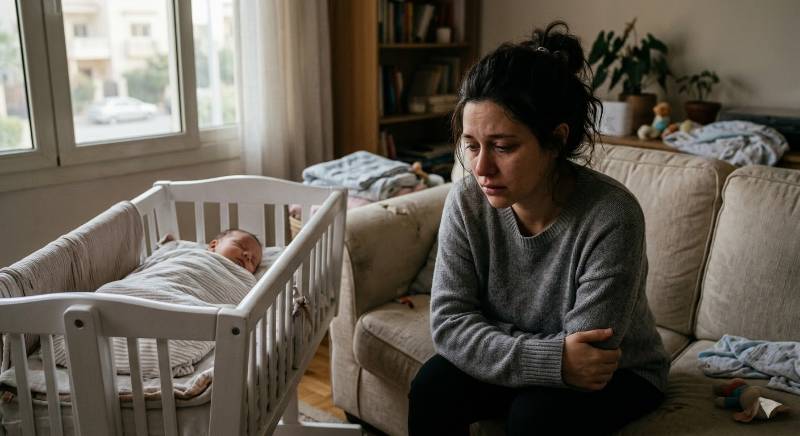
You eagerly await the moment to hold your baby, but reality may bring an unexpected feeling of tightness and despair instead of the anticipated joy. This feeling does not mean you are a bad mother—it is a complex medical condition that goes beyond mere fatigue from sleepless nights. Understanding the nature of postpartum depression is your first step toward recovery, as hormonal and physical factors interact to create a mental fog that requires specialized medical support.
What is Postpartum Depression?
Postpartum depression (PPD) is a serious mood disorder that can affect you after giving birth. It is very different from the brief “baby blues,” which typically last only a few days. In clinical depression, you may experience intense feelings of sadness, anxiety, and exhaustion that interfere with your ability to care for yourself or your baby. PPD results from a sharp drop in hormones after childbirth, directly affecting brain chemistry responsible for regulating mood.
Symptoms of Postpartum Depression
Symptoms can vary in severity but are persistent and impact your daily life. Watch for:
- Deep sadness and frequent crying without clear reason.
- Difficulty bonding with your baby or guilt for not feeling strong emotions toward them.
- Desire to withdraw from family and close friends.
- Changes in appetite—loss of appetite or unusual overeating.
- Chronic insomnia even when your baby sleeps, or excessive sleepiness.
- Disturbing thoughts about harming yourself or your baby, which require immediate medical attention.
Causes of Postpartum Depression
PPD occurs due to a complex interplay of physical and psychological factors beyond your control—it is not a sign of personal weakness. After childbirth, estrogen and progesterone levels drop sharply, directly affecting brain chemistry that regulates mood. Chronic sleep deprivation and physical exhaustion further deplete your energy, reduce coping ability, and increase anxiety and confusion about your new responsibilities.
When Does Postpartum Depression Appear?
PPD can start within the first few weeks after birth or may appear months later. Its duration varies—without treatment, it can last for several months. With proper treatment, noticeable improvement is usually seen within weeks, helping you regain the ability to enjoy your new life.
Treatment for Postpartum Depression (C-Section and Natural Birth)
The nature of PPD does not change with the birth method, but recovery after a C-section may require extra attention to physical healing, as pain can heighten psychological stress. Treatment typically includes:
- Therapy: Helps you manage thoughts and fears positively.
- Medication: Antidepressants may be prescribed safely, even if you are breastfeeding.
- Social support: Sharing concerns with your partner or joining mothers’ support groups.
Treatment for Severe Cases
If standard treatments are insufficient, doctors may recommend advanced therapies or specialized medications targeting brain receptors. Avoid herbal remedies without medical guidance, as some can affect breastfeeding or hormone balance. Seeking help is a sign of strength, not weakness, and is key to regaining emotional calm.
Tips to Prevent Postpartum Depression
You can reduce the risk of PPD through preventive strategies:
- Don’t try to do everything alone. Identify people who can help with chores or childcare to get rest.
- Accept that motherhood is not always perfect; occasional fatigue or frustration is normal.
- Sleep whenever your baby sleeps and maintain a balanced diet to support hormonal balance.
- If you have a history of depression, inform your doctor to set up early monitoring after birth.
In conclusion: Remember, you are not alone, and what you are experiencing is a treatable medical condition, not a flaw in your personality or ability as a mother. Acknowledging your feelings and seeking help is the first vital step toward reclaiming yourself and enjoying your baby. Give yourself time to heal—the fog will gradually lift, allowing you to face postpartum depression and rediscover your passion for life and motherhood with peace and confidence.
If you still need a doctor’s consultation for this condition, you can easily book an appointment through Vezeeta.
Related Keywords




References
https://www.google.com/search?q=https://www.healthline.com/health/postpartum-depression/coping-with-postpartum-depression
https://www.mayoclinic.org/diseases-conditions/postpartum-depression/diagnosis-treatment/drc-20376623
https://www.google.com/search?q=https://www.nhs.uk/mental-health/conditions/post-natal-depression/causes/
https://www.google.com/search?q=https://www.nhs.uk/mental-health/conditions/post-natal-depression/causes/
https://my.clevelandclinic.org/health/diseases/9312-postpartum-depression
https://www.google.com/search?q=https://www.webmd.com/depression/postpartum-depression/postpartum-depression-causes