Say Goodbye to Hair Loss! Discover the Causes and Effective Treatment
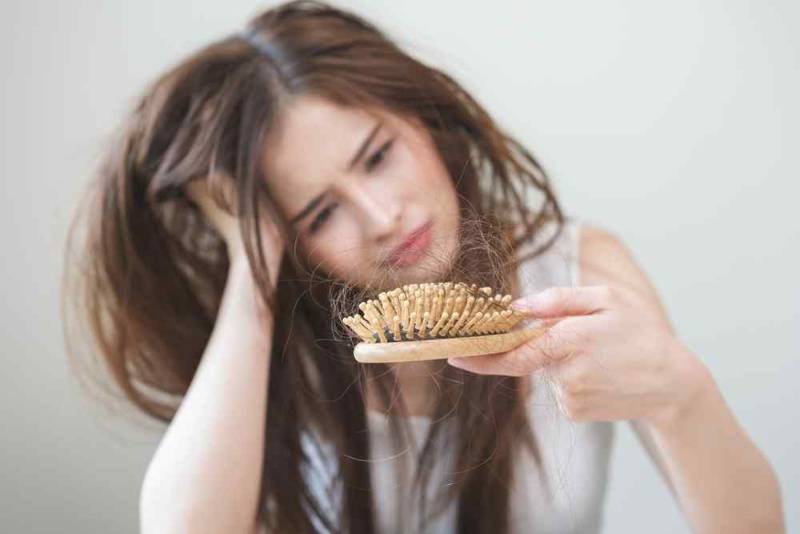
Hair loss is a common issue caused by various unhealthy habits and some genetic factors. Treatment options include medications, laser therapy, PRP (plasma), and hair transplantation.
What is Hair Loss?
Hair naturally undergoes a renewal process, with 50–100 hairs falling out daily and being replaced. However, when this balance is disturbed and hair falls out faster than it grows, it becomes a problem.
Hair loss can affect anyone at any age and appears in different forms—overall thinning, a receding hairline, bald patches, or complete baldness.
There are many causes of hair loss, and understanding the exact cause is crucial to choosing the most effective treatment.
What are Causes of Hair Loss?
The causes vary widely from person to person and often involve multiple factors, including:
- Improper hair care such as tight hairstyles, excessive heat styling, or chemical products.
- Hormonal changes, especially during pregnancy and after childbirth.
- Nutritional deficiencies like iron deficiency.
- Certain medications (e.g., chemotherapy).
- Fungal infections.
- Diseases such as alopecia areata or thyroid disorders.
- Genetic predisposition.
- Stress and emotional tension.
What are theTreatments for Hair Loss?
Hair loss treatment not only aims to stop the loss but also to regrow hair and prevent recurrence. The best treatment depends first on the root cause, then on the patient’s preferences.
1. Medications for Hair Loss
Several medications can treat hair loss. Some are over-the-counter, while others require a prescription.
Minoxidil
One of the most effective treatments, Minoxidil promotes regrowth and prevents loss. It comes in liquid or foam (2% or 5%) and oral tablets (2.5–5 mg).
Results typically appear after 6 months.
- Women: Apply once daily
- Men: Apply twice daily
- Stopping Minoxidil may result in more severe hair loss.
- Side effects can include:
- Scalp dryness
- Redness
- Itching
- Flaking
Finasteride
Highly effective for men under 60, Finasteride inhibits DHT, a hormone linked to male pattern baldness.
- Taken orally once a day for at least 3 months.
- Results in regrowth in about 90% of patients.
- Side effects may include sexual dysfunction.
- Note: Not suitable for women.
Other topical treatments include herbal and natural oils such as Seropipe Spray.
2. Laser Therapy
Low-level laser therapy (LLLT) can stimulate hair follicles and reduce inflammation, promoting regrowth.
3. Platelet-Rich Plasma (PRP)
PRP therapy involves drawing a small blood sample, separating the plasma rich in platelets, and injecting it into the scalp to boost hair growth.
4. Hair Transplantation
When medications aren’t effective, hair transplantation can be a long-term solution. It involves transferring healthy follicles from one area to a bald one.
Techniques include:
- FUE (Follicular Unit Extraction): Individual follicles are transplanted.
- Strip Method (FUT): A strip of scalp is removed and dissected into grafts.
- Forehead Reduction: For receding hairlines, a portion of the bald area is removed and the scalp is stretched.
- Tissue Expansion: Ideal for scarred areas, nearby skin is expanded and stretched to cover the bald area.
- Flap Surgery: A flap of hair-bearing skin is moved to a bald area while remaining attached on one side for blood supply.
5. Home Remedies for Hair Loss
While not instant (despite some claims), home treatments can help reduce loss and encourage growth:
- Coconut Oil: Reduces protein loss.
- Onion Juice: Improves blood circulation—especially effective for alopecia areata.
- Rosemary Oil: Can be mixed with shampoo or carrier oils (argan, jojoba).
- Lemon Juice: Apply for 15 minutes before rinsing.
- Tea Tree or Peppermint Oil: Mix with a carrier oil and massage.
- Antioxidant-rich shampoo.
- Silk pillowcases: Reduce breakage during sleep.
- Diet: Include leafy greens, eggs, salmon, tuna, walnuts, and lean meats.
- Limit red meat and dairy.
- Supplements: Omega-3, Vitamins A, B, D, E, iron, zinc, biotin.
- Reduce stress: Exercise, proper sleep.
- Garlic & herbal remedies: Garlic contains antioxidants; green tea and hibiscus promote growth.
Do Hair Loss Treatments Differ for Women and Men?
Most treatments (like Minoxidil, PRP, laser therapy) work for both sexes. However, hormone-targeting drugs like Finasteride are only for men.
How Is Hair Loss Treated in Men?
Men can benefit from a combination of:
- Finasteride
- Minoxidil
- Hair Transplant
- PRP
- Laser therapy
- Home remedies
Conclusion
Hair loss is a widespread issue affecting people of all ages, mostly due to unhealthy habits and genetics. Treating it early—with medication, laser, PRP, or hair transplant—offers the best chance of success and long-term hair recovery.
If you still need to consult a doctor regarding this condition, you can easily book an appointment through Vezeeta
Related Keywords
Specialized Doctors



References
Mayo Clinic. Hair loss (alopecia): Symptoms and causes. متاح على: https://www.mayoclinic.org
American Academy of Dermatology (AAD). Hair loss: Overview. متاح على: https://www.aad.org
Cleveland Clinic. Hair Loss in Men and Women. متاح على: https://my.clevelandclinic.org
National Health Service (NHS, UK). Hair loss. متاح على: https://www.nhs.uk
MedlinePlus (U.S. National Library of Medicine). Hair loss. متاح على: https://medlineplus.gov
Specialized Doctors