Gestational Diabetes Isn’t Dangerous If Managed! Discover How to Protect Yourself and Your Baby
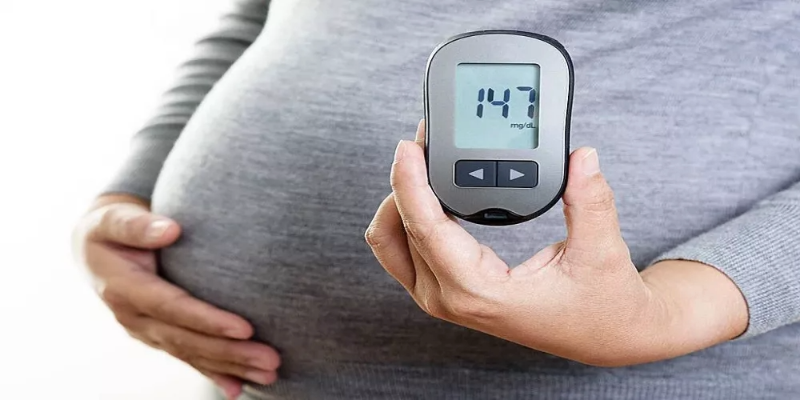
Gestational diabetes is a common condition that affects some women during pregnancy, usually appearing in the second or third trimester. Although it’s often temporary and disappears after childbirth, neglecting it can lead to serious complications for both mother and baby. The good news is that gestational diabetes can be managed effectively with medical follow-up, healthy nutrition, and lifestyle changes.
In this article, we’ll guide you through everything you need to know about gestational diabetes — from its causes and symptoms to diagnosis and the best treatment options — to help you navigate this phase safely and confidently.
What Is Gestational Diabetes?
Gestational diabetes is a form of diabetes that appears for the first time during pregnancy, when the body's cells become less responsive to insulin — the hormone responsible for regulating blood sugar. As a result, glucose levels in the blood rise, posing a risk if not managed properly.
What are the Causes of Gestational Diabetes?
Hormonal changes are normal during pregnancy, but they may affect how the body uses insulin. Risk factors that increase the likelihood of developing gestational diabetes include:
- Being overweight or obese before pregnancy
- Family history of diabetes
- Pregnancy after age 35
- Carrying twins or multiples
- Previous experience with gestational diabetes
What are the Symptoms of Gestational Diabetes?
In many cases, there are no obvious symptoms, and it’s usually detected through routine screening. However, some women may experience:
- Excessive thirst
- Frequent urination
- Unexplained fatigue
- Blurred vision
- Frequent vaginal or urinary infections
How Is It Diagnosed?
Gestational diabetes is typically diagnosed through a glucose tolerance test between weeks 24 and 28 of pregnancy. Blood sugar levels are tested before and after drinking a sugary solution to assess the body’s response.
What are Complications of Gestational Diabetes?
If left unmanaged, gestational diabetes may lead to:
- Macrosomia (large baby size), which can increase the chance of C-section
- Low blood sugar in the baby after birth
- Premature delivery
- Increased risk of type 2 diabetes in the mother later on
- Higher chance of high blood pressure or preeclampsia
What are the Treatment Options for Gestational Diabetes?
1. Balanced Diet
Following a low-sugar, high-fiber diet helps maintain stable blood glucose levels.
2. Physical Activity
Light exercise (such as walking), under medical supervision, can improve insulin sensitivity.
3. Regular Blood Sugar Monitoring
Use a glucose monitor to track sugar levels daily, especially before and after meals.
4. Insulin or Medication (if needed)
In some cases, doctors may prescribe insulin to help control blood sugar effectively.
Does Gestational Diabetes Go Away After Birth?
In most cases, blood sugar levels return to normal after childbirth. However, it’s important to follow up with a glucose test 6 to 12 weeks postpartum. Gestational diabetes is also a strong indicator of future risk for type 2 diabetes, so regular monitoring is key.
What are the Tips to Prevent Gestational Diabetes?
- Maintain a healthy weight before pregnancy
- Exercise regularly
- Eat a balanced diet rich in vegetables and proteins
- Avoid excess sugars and sweetened drinks
- Get early screening if you're at high risk
Conclusion
Gestational diabetes doesn’t have to be a source of stress — it’s an opportunity to take better care of your health during a sensitive phase of life. With the right nutrition, regular physical activity, and proper medical support, you can ensure a safe and helthy pregnancy for you and your baby while minimizing future risks.
If you still need to consult a doctor regarding this condition, you can easily book an appointment through Vezeeta
Related Keywords



References
Centers for Disease Control and Prevention (CDC) – Gestational Diabetes
https://www.cdc.gov/diabetes/basics/gestational.html
American Diabetes Association (ADA) – Gestational Diabetes
https://diabetes.org/living-with-diabetes/pregnancy/gestational-diabetes
Mayo Clinic – Gestational Diabetes
https://www.mayoclinic.org/diseases-conditions/gestational-diabetes
National Health Service (NHS) – Gestational Diabetes
https://www.nhs.uk/conditions/gestational-diabetes/
World Health Organization (WHO) – Diagnostic Criteria and Classification of Hyperglycaemia First Detected in Pregnancy
https://www.who.int/publications/i/item/WHO-NMH-MND-13.2