Amenorrhea (Missed Periods): Causes, Symptoms, and Treatment

What Is Amenorrhea?
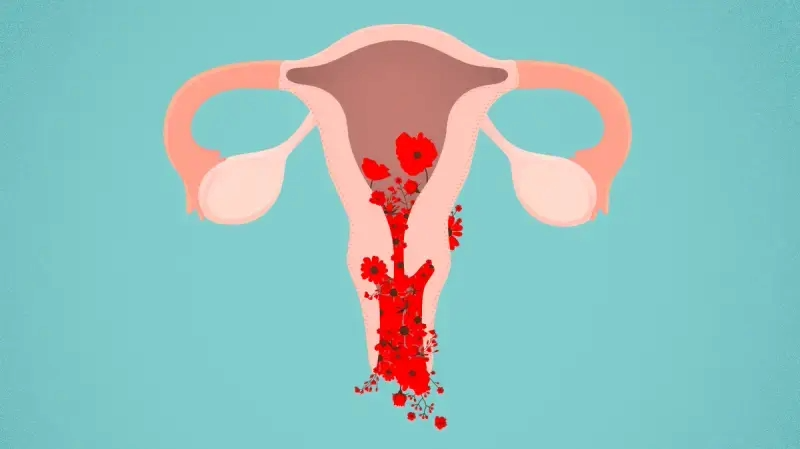
Amenorrhea is the absence of menstrual periods for a period of time. It is divided into two main types:
- Primary amenorrhea: When menstruation has not started by the age of 15.
- Secondary amenorrhea: When periods stop for three months or longer in a woman who previously had regular menstrual cycles.
Amenorrhea can be a normal occurrence in certain situations, such as pregnancy, breastfeeding, or menopause. However, when it occurs without an obvious reason, it may indicate an underlying medical condition that requires evaluation.
The menstrual cycle depends on a delicate balance between the brain, the pituitary gland, the ovaries, and the uterus. A disruption anywhere in this hormonal system can lead to irregular periods or the complete absence of menstruation.
Causes of Amenorrhea
The causes of amenorrhea vary depending on the type of amenorrhea and the patient's age. Common causes of secondary amenorrhea include:
- Severe psychological stress: Stress directly affects the hypothalamus, the part of the brain that regulates ovulation, disrupting the hormones needed for the menstrual cycle.
- Sudden weight changes: Both significant weight loss and excessive weight gain can interfere with hormonal balance.
- Excessive exercise: Intense physical activity may divert the body's energy away from reproductive functions, causing menstruation to stop temporarily.
- Hormonal contraceptives: Certain birth control pills, injections, and hormonal intrauterine devices (IUDs) can temporarily stop menstrual periods.
- Hormonal disorders: Such as Polycystic Ovary Syndrome (PCOS), hypothyroidism, and elevated prolactin levels caused by a benign pituitary tumor.
- Primary Ovarian Insufficiency (POI): A condition in which the ovaries stop functioning before the age of 40, resulting in reduced estrogen production.
- Uterine scarring: Scar tissue resulting from dilation and curettage (D&C) procedures or previous uterine surgeries may block normal menstrual flow.
Does Amenorrhea Mean Infertility?
Not necessarily. In most cases, the absence of menstruation means that ovulation is not occurring, making pregnancy difficult during that time. However, treating the underlying cause often restores both menstruation and fertility. If you are trying to conceive, consult your healthcare provider for evaluation and appropriate treatment.
Symptoms Associated with Amenorrhea
The main symptom is the absence of menstrual periods, but other symptoms may help identify the underlying cause, including:
- Hot flashes and vaginal dryness, especially when estrogen levels are low.
- Milky nipple discharge unrelated to pregnancy or breastfeeding.
- Frequent headaches or blurred vision, which may indicate a pituitary gland disorder.
- Excessive facial or body hair growth due to elevated androgen (male hormone) levels.
- New or worsening acne.
- Changes in weight or appetite, depending on the underlying cause.
It is also important to know that the absence of menstrual bleeding does not always mean the absence of menstrual symptoms. Some women may still experience menstrual-like cramps or lower abdominal pain without any bleeding. If these symptoms recur or are accompanied by other concerning signs, medical evaluation is recommended.
How Is Amenorrhea Diagnosed?
To determine the underlying cause, your doctor will begin by taking a detailed medical history. This includes questions about your last menstrual period, the possibility of pregnancy, changes in weight, dietary habits, exercise routine, stress levels, and any medications you are taking.
Your doctor may also recommend the following tests:
- Pregnancy test: The first and most important test to rule out pregnancy, the most common cause of missed periods.
- Blood tests: To measure hormone levels, including estrogen, prolactin, thyroid hormones, and reproductive hormones such as FSH and LH.
- Pelvic ultrasound: To examine the uterus and ovaries and detect conditions such as PCOS or structural abnormalities.
- Magnetic Resonance Imaging (MRI): If a pituitary gland disorder is suspected.
Keeping a record of your menstrual cycle and any associated symptoms in a smartphone app or diary can also help your doctor reach an accurate diagnosis more quickly.
Treatment of Amenorrhea
Treatment depends entirely on the underlying cause, so there is no single treatment that works for everyone. Once the cause has been identified, your doctor may recommend one or more of the following:
- Lifestyle modifications: If amenorrhea is caused by stress, excessive exercise, or being underweight, reducing stress, maintaining a balanced diet, and achieving a healthy weight may help restore normal menstrual cycles.
- Hormone therapy: Used in cases of estrogen deficiency or primary ovarian insufficiency. Treatment may include hormone replacement therapy or combined oral contraceptive pills to regulate the menstrual cycle.
- Treating the underlying condition: If amenorrhea is caused by hypothyroidism or elevated prolactin levels, treating these conditions often restores menstruation. This may involve hormone replacement or medications such as bromocriptine to lower prolactin levels.
- Surgery: Rarely needed, but may be required to remove uterine adhesions or scar tissue, or to remove a pituitary tumor if it is the underlying cause.
- Calcium and vitamin D supplements: These may be recommended when estrogen levels remain low for a prolonged period to help maintain bone health and reduce the risk of osteoporosis.
Following your treatment plan and attending regular follow-up appointments are essential because the return of menstrual periods depends on successfully treating the underlying cause rather than simply relieving the symptoms.
When Should You See a Doctor?
You should seek medical advice if you experience any of the following:
- Your menstrual periods have stopped for three months or longer and you are not pregnant or breastfeeding.
- Your periods have not started by the age of 15.
- You notice nipple discharge despite not being pregnant or breastfeeding.
- You develop excessive facial or body hair.
- You experience severe headaches or problems with vision or balance along with missed periods.
- You are having difficulty becoming pregnant due to absent menstrual cycles.
- Your periods suddenly stop after previously being regular, especially if accompanied by sudden weight loss or pelvic pain.
Amenorrhea itself is not a disease, but rather a sign that may indicate an underlying health problem requiring medical evaluation. Early diagnosis and treatment can help prevent complications such as osteoporosis and fertility problems.
Conclusion
Amenorrhea can be a normal part of life during pregnancy, breastfeeding, or menopause. However, when it occurs unexpectedly or persists without a clear explanation, it may signal an underlying medical condition that requires evaluation and treatment. Seeking medical advice early can help restore regular menstrual cycles, prevent complications, and protect both reproductive and overall health.
If you still need to consult a doctor about this condition, you can easily book an appointment through Vezeeta.
Related Keywords

Specialized Doctors

Maher Elshazly
Consultant in Obstetrics, Gynecology, Infertility, ICSI, Gynecological Surgeries and Endoscopy, Al-Azhar Medicine

Habiba Osama
Specialist in Obstetrics and Gynecology

Doaa yousef
Obstetrics and Gynecology Consultant
References
• https://my.clevelandclinic.org/health/diseases/3924-amenorrhea
• https://www.webmd.com/infertility-and-reproduction/absence-periods
• https://www.healthline.com/health/secondary-amenorrhea
Specialized Doctors
Maher Elshazly
Consultant in Obstetrics, Gynecology, Infertility, ICSI, Gynecological Surgeries and Endoscopy, Al-Azhar Medicine
Habiba Osama
Specialist in Obstetrics and Gynecology
Doaa yousef
Obstetrics and Gynecology Consultant