

Hormonal imbalance? Learn about PCOS, its symptoms, and treatment.
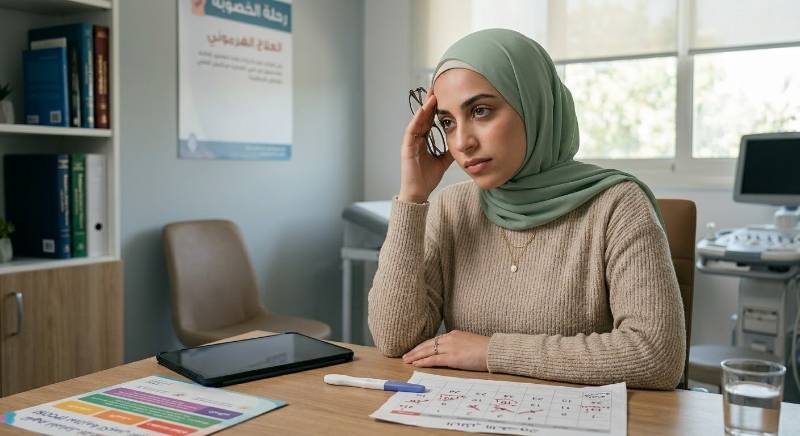
What is Polycystic Ovary Syndrome (PCOS)?
Simply put, your body naturally produces small amounts of male hormones. However, in PCOS, your body produces higher-than-normal levels of these hormones. This imbalance prevents your eggs from developing and maturing properly, so they remain inside the ovary as small sacs (follicles) and are not released on time. This is the main reason behind irregular menstrual cycles.
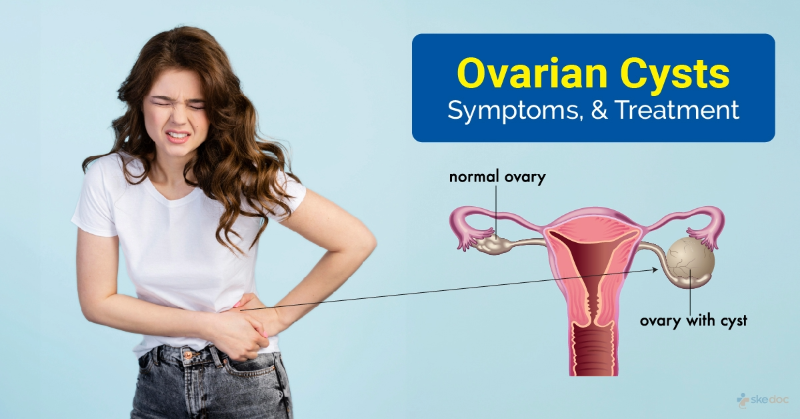
What is the difference between PCOS and ovarian cysts?
PCOS is a chronic hormonal disorder that causes many very small cysts to form, while an “ovarian cyst” is usually a single, larger cyst that may appear and disappear on its own or may require minor surgical intervention.
Symptoms of mild and severe PCOS
Symptoms vary from woman to woman. Some experience mild symptoms, while others face more significant challenges:
- Irregular periods: Your cycle may come every two or three months, or stop for a while. This is the most common symptom.
- Excess hair growth: Coarse hair may appear on areas like the chin, upper lip, or abdomen.
- Acne and oily skin: Skin becomes oilier, with persistent acne that doesn’t respond well to typical treatments.
- Difficulty losing weight: You may notice weight gain around the waist and struggle to lose extra weight despite efforts.
PCOS symptoms in teenagers
Symptoms may appear soon after puberty. Common signs include severe acne that doesn’t respond to usual treatments, or irregular periods lasting more than two years after puberty. It’s important not to dismiss this as just a “teenage phase”—consulting a doctor early is recommended.
Does PCOS cause hair loss?
Yes. Elevated male hormones can lead to thinning hair at the front of the scalp (similar to male-pattern hair loss). This usually improves once hormones are balanced.
Does PCOS cause severe pain?
PCOS typically does not cause sharp pain, but it may lead to discomfort, a feeling of heaviness in the lower abdomen, and pain associated with irregular periods.
What causes PCOS?
The exact causes aren’t fully known, but key contributing factors include:
- Insulin resistance: When your body doesn’t use insulin effectively, levels rise and stimulate the ovaries to produce more male hormones.
- Genetics: Family history may play a role.
- Low-grade inflammation: Some bodies have inflammatory responses that increase androgen production.
How is PCOS diagnosed?
Diagnosis is usually straightforward and involves two main steps:
- Blood tests: To measure hormone levels (such as LH and FSH) and blood sugar.
- Ultrasound scan: To examine the ovaries and check the number and size of small cysts.
Can PCOS be completely cured?
There is no permanent “cure” that eliminates PCOS entirely, but symptoms can be effectively managed, allowing you to live a completely normal life with a healthy lifestyle.
PCOS treatment for weight loss
Weight loss is often the most effective first step. Losing even about 5% of your body weight can improve insulin balance and ovarian function. Doctors may prescribe medications like metformin to help your body use sugar more effectively and reduce fat storage.
PCOS treatment for pregnancy
If you’re trying to conceive, treatment focuses on stimulating ovulation. This is often done with medications like Clomid or hormone injections under close medical supervision, along with ultrasound monitoring.
Diet for PCOS
Your diet plays a major role in managing PCOS:
- Avoid sugary foods and refined carbohydrates.
- Focus on complex carbs like oats and whole grains, along with plenty of leafy vegetables and protein.
- Stay hydrated.
- Walking for 30 minutes daily can significantly reduce insulin resistance.
Does PCOS go away after marriage?
This is a common myth. Marriage does not treat hormonal imbalance or remove cysts. Management depends on weight control, exercise, and medical treatment—not marital status.
Remember, PCOS is not a barrier to living a healthy and happy life. It’s simply a signal from your body to take better care of your health and lifestyle. With regular medical follow-up, a balanced diet, and consistent physical activity, you can manage your hormones effectively. Early diagnosis is always key, so don’t hesitate to consult a healthcare professional if you have concerns.
If you still need to consult a doctor about this condition, you can easily book an appointment through Vezeeta.
Related Keywords

Specialized Doctors
Fahima Mokhtar
Consultant of Gynecology and Obstetrics

Maher Elshazly
Consultant in Obstetrics, Gynecology, Infertility, ICSI, Gynecological Surgeries and Endoscopy, Al-Azhar Medicine

Samar Abu Al-Naga
Specialist in Gynaecology and Obestetrics
References
https://www.mayoclinic.org/diseases-conditions/pcos/diagnosis-treatment/drc-20353443
https://my.clevelandclinic.org/health/diseases/8316-polycystic-ovary-syndrome-pcos
https://www.healthline.com/health/polycystic-ovary-disease
https://www.healthline.com/health/pcos-and-pregnancy
https://www.healthline.com/health/pcos-diet
https://www.webmd.com/women/pcos-causes-general
https://www.webmd.com/women/pcos-diet-pcos-friendly-foods
https://www.womenshealth.gov/a-z-topics/polycystic-ovary-syndrome
https://medlineplus.gov/lab-tests/pcos-test/
https://www.nhs.uk/conditions/polycystic-ovary-syndrome-pcos/symptoms/
https://www.hopkinsmedicine.org/health/conditions-and-diseases/polycystic-ovary-syndrome-pcos
https://www.nichd.nih.gov/health/topics/pcos/conditioninfo/treatments
Specialized Doctors
Fahima Mokhtar
Consultant of Gynecology and Obstetrics
Maher Elshazly
Consultant in Obstetrics, Gynecology, Infertility, ICSI, Gynecological Surgeries and Endoscopy, Al-Azhar Medicine
Samar Abu Al-Naga
Specialist in Gynaecology and Obestetrics


