Ovarian Cysts: Symptoms and Consequences
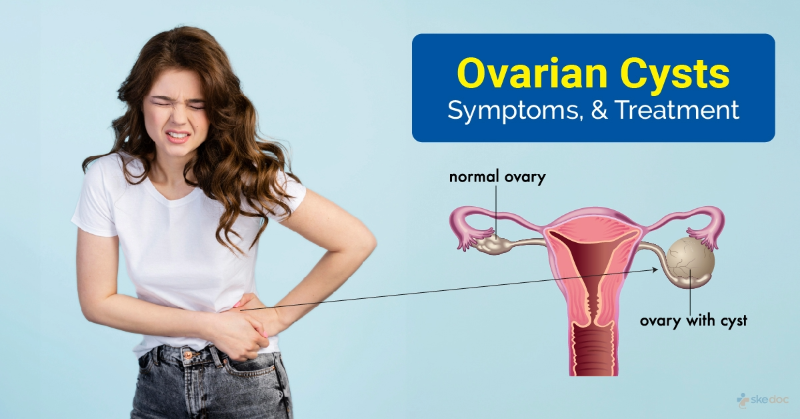
“Ovarian cysts—do they prevent pregnancy?” This is a common question among women who’ve been diagnosed with ovarian cysts. From that moment, a journey begins to understand what causes them and how to treat them.
In this comprehensive article, we present everything you need to know about ovarian cysts—their types, causes, symptoms, and treatment options, along with their impact on fertility and when they may become serious.
What Are Ovarian Cysts?
Ovarian cysts are fluid-filled or semi-solid sacs that form on or within the ovaries. Most are harmless and painless, especially if they’re smaller than 10 cm, and often require no treatment. They’re commonly discovered incidentally during routine exams.
What areTypes of Ovarian Cysts?
The most common types are functional cysts, which develop during the menstrual cycle. These include:
- Follicular cysts
- Corpus luteum cysts
Less common types, not directly related to ovulation, include:
- Endometriomas: Caused by endometriosis; often referred to as "chocolate cysts."
- Dermoid cysts: Arise from embryonic cells and may contain fat, hair, or even teeth.
- Cystadenomas: Grow on the ovary's surface and contain watery or mucous fluid.
- Ovarian cancer: Solid malignant tumors that require urgent intervention.
What is Functional Cysts Explained?
- Follicular Cysts: Occur when the follicle fails to rupture and release the egg, causing fluid buildup.
- Corpus Luteum Cysts: Form when the follicle closes after releasing the egg but fills with fluid instead of shrinking.
What is Polycystic Ovary Syndrome (PCOS)?
PCOS is a hormonal disorder characterized by multiple cysts on the ovaries and high levels of androgens (male hormones), leading to:
- Irregular or absent periods
- Weight gain and difficulty losing weight
- Excessive hair growth
- Acne
- Skin tags and dark patches
- Infertility
What are the Symptoms of Ovarian Cysts?
Many women with ovarian cysts experience no symptoms, especially with smaller cysts. If symptoms appear, they may include:
- Pelvic or lower back pain
- Pain before or during menstruation
- Abdominal bloating
- Breast tenderness
- Nausea or vomiting
- Pain during intercourse
- Pain in the thighs
Emergency symptoms that may indicate a ruptured cyst include:
- Severe pelvic pain
- Fever
- Dizziness or fainting
- Rapid breathing
Ovarian Cysts and Pregnancy
During pregnancy, corpus luteum cysts may form instead of shrinking. These cysts support early pregnancy by producing progesterone, but usually disappear by the 12th week as the placenta takes over hormone production.
What are Symptoms in pregnant women with cysts ?
- Pelvic pain
- Nausea and vomiting
- Weakness or fatigue
- Vaginal bleeding if rupture occurs
What are Causes of Ovarian Cysts?
Common causes include:
- Ovulation irregularities
- Hormonal imbalances (e.g., in PCOS)
- Pelvic infections spreading to the ovaries
- Use of ovulation-inducing medications (e.g., clomiphene)
- Endometriosis
In postmenopausal women, cysts may result from:
- Fluid accumulation
- Benign tissue overgrowth
- Ovarian cancer
Do Ovarian Cysts Affect Fertility?
Yes, some cyst types can impair fertility:
- Endometriomas: Linked to endometriosis, which can disrupt the reproductive process.
- PCOS: Causes hormonal imbalance, affecting ovulation and menstrual regularity.
However, not all cysts interfere with pregnancy, especially small functional cysts.
Are Ovarian Cysts Dangerous?
In most cases, no. Many cysts disappear on their own. However, in about 1% of cases, they may lead to complications such as:
- Rupture: Leading to internal bleeding and sharp pain
- Ovarian torsion: When a large cyst twists the ovary, cutting off blood supply
- Cancer: Particularly in women over 50
How Are Ovarian Cysts Diagnosed?
Due to symptom overlap with pregnancy, testing is necessary:
- Pelvic exam: To detect unusual masses
- Pregnancy test: May indicate a corpus luteum cyst
- Ultrasound: To visualize the cyst’s size and location
- Laparoscopy: For direct viewing and possible removal
- Tumor marker tests: To rule out cancer (e.g., CA-125)
What is the Treatment Options of Ovarian Cysts?
Treatment depends on cyst type, size, symptoms, and patient age:
Watchful Waiting
Small, functional cysts may resolve naturally within weeks or months.
Medication
While no drug can "cure" cysts, hormonal birth control (pills, patches, IUDs) can help prevent new cysts by suppressing ovulation.
Surgical Removal
Recommended for:
- Large or persistent cysts
- Cysts causing severe symptoms
- Suspicion of cancer
Surgical methods include:
- Laparoscopy: Minimally invasive removal
- Laparotomy: Open surgery for larger or potentially cancerous cysts
Conclusion
Ovarian cysts are not usually dangerous, but monitoring and treatment are essential to avoid future complications. Many treatment options are available based on the type, size, and symptoms of the cyst, and with proper care, most women can manage them effectively—even while trying to conceive.
If you still need to consult a doctor regarding this condition, you can easily book an appointment through Vezeeta
Related Keywords
Specialized Doctors

Maher Elshazly
Consultant in Obstetrics, Gynecology, Infertility, ICSI, Gynecological Surgeries and Endoscopy, Al-Azhar Medicine

Habiba Osama
Specialist in Obstetrics and Gynecology

Mohammed Rizk
Consultant in Obstetrics, Gynecology and Infertility
References
Mayo Clinic – Ovarian cysts: Symptoms, causes, diagnosis, and treatment.
https://www.mayoclinic.org/diseases-conditions/ovarian-cysts
Cleveland Clinic – Ovarian cyst: Types, causes, symptoms, and treatment options.
https://my.clevelandclinic.org/health/diseases/9133-ovarian-cysts
NHS (UK) – Ovarian cysts: Overview, symptoms, and treatment.
https://www.nhs.uk/conditions/ovarian-cyst
American College of Obstetricians and Gynecologists (ACOG) – Ovarian cysts.
https://www.acog.org/womens-health/faqs/ovarian-cysts
Specialized Doctors
Maher Elshazly
Consultant in Obstetrics, Gynecology, Infertility, ICSI, Gynecological Surgeries and Endoscopy, Al-Azhar Medicine
Habiba Osama
Specialist in Obstetrics and Gynecology
Mohammed Rizk
Consultant in Obstetrics, Gynecology and Infertility