Abnormal Bleeding? Your Guide to Understanding Uterine Bleeding and When to Worry
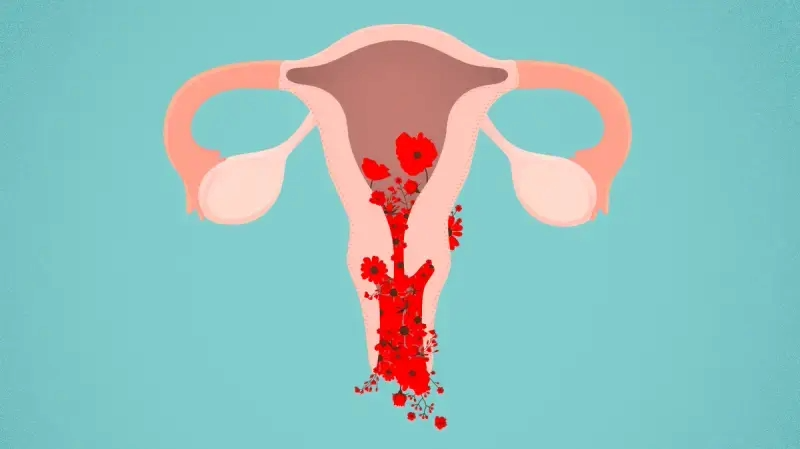
Uterine bleeding is a common gynecological concern that affects women of all ages. While it may sometimes result from harmless hormonal fluctuations, in other cases, it can signal more serious health conditions such as fibroids, endometrial hyperplasia, or even cancer. The bleeding may appear as unusually heavy periods, spotting between cycles, or unexpected vaginal bleeding outside of menstruation.
Recognizing the early signs of abnormal uterine bleeding and understanding its potential causes is essential for timely intervention and effective treatment. In this article, we explore the possible causes of uterine bleeding, the symptoms to look out for, how it is diagnosed, and the most effective treatment options to manage the condition and prevent complications.
What Is Uterine Bleeding?
Uterine bleeding refers to any abnormal bleeding from the uterus that differs from the normal menstrual cycle. It may occur:
- Between periods
- After intercourse
- Postmenopause
- As prolonged or excessive menstrual flow (menorrhagia)
What are Causes of Uterine Bleeding?
Uterine bleeding can be triggered by various factors, including:
- Hormonal imbalance: Common during puberty, perimenopause, or due to conditions like PCOS.
- Uterine fibroids or polyps: Noncancerous growths that may lead to heavy or irregular bleeding.
- Endometrial hyperplasia: Thickening of the uterine lining, sometimes a precursor to cancer.
- Thyroid disorders: Hypothyroidism or hyperthyroidism can affect menstrual regularity.
- Medications: Blood thinners, hormonal therapies, or contraceptives may alter bleeding patterns.
- Cancer: In rare cases, abnormal bleeding can be a sign of endometrial or cervical cancer.
What are the Common Symptoms of Uterine Bleeding?
- Heavy or prolonged menstrual periods
- Bleeding between periods
- Spotting after sex
- Menstrual cycles shorter than 21 days or longer than 35 days
- Fatigue due to blood loss
When to See a Doctor?
Seek medical advice if you experience:
- Bleeding after menopause
- Very heavy periods soaking through pads hourly
- Bleeding lasting more than 7 days
- Dizziness or fatigue from blood loss
How is Uterine Bleeding Diagnosed?
To determine the cause, your doctor may recommend:
- Pelvic exam
- Transvaginal ultrasound
- Pap smear
- Endometrial biopsy
- Blood tests (including hormone levels and thyroid function)
What are the Treatment Options of Uterine Bleeding?
Treatment depends on the underlying cause, severity, and patient’s reproductive goals:
- Hormonal therapy: Birth control pills or progestins to regulate the cycle.
- Non-hormonal medication: NSAIDs or tranexamic acid to reduce bleeding.
- Surgical procedures:
- D&C (Dilation and Curettage)
- Endometrial ablation
- Myomectomy (for fibroids)
- Hysterectomy in severe cases
- Lifestyle changes: Weight management, managing stress, and treating any coexisting conditions like diabetes or thyroid issues.
Conclusion
Uterine bleeding can range from a minor nuisance to a sign of serious illness. Prompt evaluation and personalized treatment are key to managing symptoms and avoiding complications such as anemia or infertility. If you're experiencing abnormal bleeding, consult a gynecologist for a proper diagnosis and to explore the best treatment path for your case.
If you still need to consult a doctor regarding this condition, you can easily book an appointment through Vezeeta
Related Keywords



References
American College of Obstetricians and Gynecologists (ACOG)
Practice Bulletin on abnormal uterine bleeding.
Website: https://www.acog.org/clinical/clinical-guidance/practice-bulletin/articles/2020/06/abnormal-uterine-bleeding-in-reproductive-aged-women
Mayo Clinic – Abnormal Uterine Bleeding
Overview of causes, symptoms, diagnosis, and treatment of abnormal uterine bleeding.
Website: https://www.mayoclinic.org/diseases-conditions/abnormal-uterine-bleeding/symptoms-causes/syc-20369227
National Health Service (NHS) UK
Information on causes and treatment of heavy or irregular menstrual bleeding.
Website: https://www.nhs.uk/conditions/heavy-periods/
UpToDate – Abnormal Uterine Bleeding
Detailed clinical resource covering diagnosis and management of uterine bleeding.
Website: https://www.uptodate.com/contents/abnormal-uterine-bleeding
World Health Organization (WHO) – Menstrual Disorders
Facts and figures on menstrual disorders including abnormal uterine bleeding.
Website: https://www.who.int/reproductivehealth/topics/menstruation/en/
Journal Article: "Evaluation and management of abnormal uterine bleeding in reproductive-aged women"
Obstetrics & Gynecology, 2019; Volume 133, Issue 5, Pages 1027-1039.
DOI: 10.1097/AOG.0000000000003371