Stress, Diet, and Acne: Causes and Effective Treatments
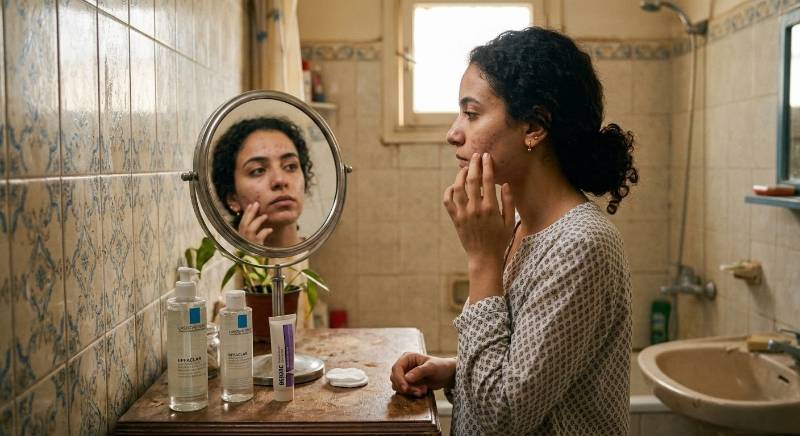
What Is Acne?
This skin condition occurs when hair follicles become clogged with oils and dead skin cells, leading to whiteheads, blackheads, or pimples. Acne represents an inflammatory response within the pores, where excess sebum accumulates and creates a breeding ground for bacteria. It’s not limited to adolescence; adults can also experience acne due to various biological and hormonal changes that disrupt the skin’s natural balance.
Types of Acne
Acne appears in different forms depending on the severity of inflammation and the depth of skin involvement. Mild forms start as blackheads—dark spots caused by oxidized oil—or whiteheads that remain closed beneath the skin’s surface.
Severe cases manifest as small, painful red bumps or pus-filled pimples, progressing to large, hard cysts deep within the skin that often leave noticeable scars.
What Causes Acne?
The main causes of acne involve four interrelated factors: excess sebum production, blocked hair follicles with skin cells, bacterial activity, and inflammation. Genetics play a major role in the activity of sebaceous glands, while hormonal changes increase the thickness of secreted oils, making it difficult for pores to clear properly. This often results in pore blockage, redness, and swelling.
Why Does Acne Appear on the Face?
Pimples are most common on the face due to the high density of sebaceous glands, especially on the forehead, nose, and chin. Constant friction or the use of unsuitable cosmetic products that clog pores can worsen the condition. Daily habits, like touching the face with dirty hands or exposure to environmental pollutants, increase bacterial transfer to open pores, making the face particularly susceptible to repeated inflammation.
Cystic vs. Hormonal Acne
Hormonal acne is linked to fluctuations in hormones and often appears in adults around the jawline and chin. It worsens with androgen changes that increase oil production.
Cystic acne, however, is more severe: deep, painful fluid-filled cysts form under the skin’s surface. These usually do not respond to simple topical treatments and require intensive medical intervention to prevent scarring. Advanced types of acne demand patience, as they stem from internal imbalances rather than surface contamination. Cystic acne can last for weeks, causing physical pain and emotional distress. Early diagnosis allows doctors to prescribe targeted treatments to reduce inflammation and prevent recurring outbreaks that damage skin texture.
Best Creams for Acne Treatment
For mild acne, creams containing benzoyl peroxide or salicylic acid are recommended, as they kill bacteria and exfoliate dead skin cells. For moderate cases, doctors may prescribe retinoid creams, which effectively prevent pore blockages.
Acne Medications
Severe acne may require oral medications, such as antibiotics to reduce inflammation or isotretinoin for stubborn cases that don’t respond to other treatments. These strong medications should only be used under strict medical supervision due to potential side effects. The goal is not just to hide pimples but to regulate sebaceous gland activity for long-term results and healthier skin.
Psychological Acne Treatment and Stress Impact
Acne is not only a physical issue; psychological treatment is equally important. Stress triggers cortisol release, which stimulates sebaceous glands to produce more oil, creating a vicious cycle: acne causes anxiety, and anxiety worsens acne, undermining self-confidence.
Stress-reducing practices like exercise, sufficient sleep, and understanding that acne is a medical condition—not a personal flaw—can help. Consulting a specialist may improve self-acceptance during treatment. Emotional stability directly supports faster skin response to chemical treatments, making a holistic approach (mental and physical) the most effective path to clear skin.
How to Get Rid of Acne Quickly
Rapid results require avoiding touching pimples and using a topical treatment containing salicylic acid to dry them out, along with regular gentle cleansing.
Does Diet Cause Acne?
Studies suggest that high-glycemic foods (like white bread and sweets) and dairy products may worsen skin inflammation in some people.
Do Acne Marks Fade on Their Own?
Mild marks may fade over time, but deep scars and dark spots often require cosmetic treatments such as chemical peels or laser therapy under medical supervision.
Conclusion
Getting rid of acne requires proper skincare, choosing the right treatments, and understanding its causes. By caring for your skin and following medical guidance, you can restore its radiance, clarity, and regain long-lasting confidence.
If you still need a doctor’s consultation for this condition, you can easily book an appointment through Vezeeta.
Related Keywords
Specialized Doctors



References
[https://www.mayoclinic.org/diseases-conditions/acne/symptoms-causes/syc-20368047]
[https://www.healthline.com/health/skin/acne]
[https://my.clevelandclinic.org/health/diseases/12233-acne]
[https://www.webmd.com/skin-problems-and-treatments/acne/ss/slideshow-acne-dictionary]
[https://www.healthline.com/health/beauty-skin-care/hormonal-acne]
[https://www.medicalnewstoday.com/articles/102221]
[https://www.mayoclinic.org/diseases-conditions/acne/diagnosis-treatment/drc-20368048]
[https://medlineplus.gov/acne.html]
[https://www.ncbi.nlm.nih.gov/pmc/articles/PMC5722010/]
[https://www.aad.org/public/diseases/acne/mind-self-esteem/stress]
Specialized Doctors