Uterine Fibroids: No Need to Panic—Learn About Symptoms and Treatment Made Simple
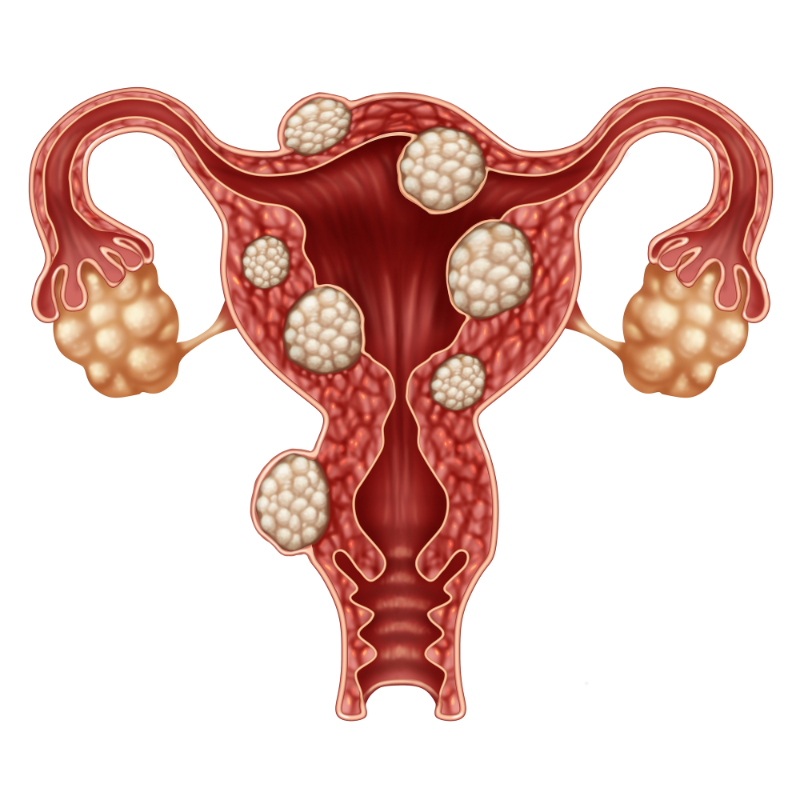
Uterine fibroids—also known as leiomyomas or myomas—are non-cancerous growths that develop in or on the muscular walls of the uterus. These benign tumors are incredibly common, especially in women aged 30 to 50. While some women may have fibroids without experiencing any symptoms, others may suffer from heavy menstrual bleeding, pelvic pain, frequent urination, or even fertility challenges.
Understanding fibroids, their causes, symptoms, and available treatment options can help you take control of your reproductive health and make informed decisions. In this article, we’ll walk you through everything you need to know about uterine fibroids.
What Are Uterine Fibroids?
Uterine fibroids are solid tumors made up of smooth muscle and fibrous tissue. They can vary greatly in size, from small nodules that are barely detectable to large masses that distort and enlarge the uterus. A woman may have a single fibroid or multiple growths.
What are Types of Fibroids?
Fibroids are classified based on their location within the uterus:
- Intramural fibroids – Grow within the muscular wall of the uterus (most common type).
- Subserosal fibroids – Project outward from the uterus and may press on surrounding organs.
- Submucosal fibroids – Grow just beneath the uterine lining and can affect menstruation and fertility.
- Pedunculated fibroids – Attached to the uterus by a stalk, either inside or outside.
What Causes Uterine Fibroids?
The exact cause of fibroids is still unknown, but several factors are believed to play a role:
- Hormones: Estrogen and progesterone promote fibroid growth.
- Genetics: A family history of fibroids increases the risk.
- Age: Most common in women in their 30s and 40s.
- Race: More prevalent and severe in African American women.
- Lifestyle: Obesity, diet high in red meat, and low intake of vegetables may contribute.
What are the Common Symptoms of Fibroids?
Many women with fibroids experience no symptoms at all. However, when symptoms occur, they may include:
- Heavy or prolonged menstrual bleeding
- Pelvic pain or pressure
- Frequent urination or difficulty emptying the bladder
- Pain during intercourse
- Lower back pain
- Constipation
- Difficulty getting pregnant or pregnancy complications
How Are Fibroids Diagnosed?
Diagnosis typically involves:
- Pelvic exam: To check for an enlarged uterus.
- Ultrasound: The most common imaging tool used to detect fibroids.
- MRI: Provides detailed images and is used for surgical planning.
- Hysteroscopy or sonohysterography: To examine the uterine cavity in more detail.
What are the Treatment Options for Uterine Fibroids?
Treatment depends on the size, number, location of fibroids, severity of symptoms, and whether the woman wishes to preserve fertility. Options include:
1. Watchful Waiting
For small, asymptomatic fibroids—especially near menopause—no treatment may be necessary.
2. Medications
- Hormonal therapies (e.g., birth control pills, GnRH agonists) to shrink fibroids or control bleeding.
- NSAIDs for pain relief.
- Tranexamic acid for heavy bleeding.
3. Non-Surgical Procedures
- Uterine Fibroid Embolization (UFE): Blocks blood flow to fibroids, causing them to shrink.
- MRI-guided focused ultrasound: Non-invasive, uses sound waves to destroy fibroid tissue.
4. Surgical Options
- Myomectomy: Surgical removal of fibroids while preserving the uterus (ideal for women wanting to conceive).
- Hysterectomy: Complete removal of the uterus, considered a permanent solution.
Can Fibroids Affect Fertility?
Yes, especially submucosal and large fibroids. They may interfere with implantation, block the fallopian tubes, or cause miscarriage. However, many women with fibroids still conceive and have healthy pregnancies.
Living with Fibroids
If you're diagnosed with fibroids, it's important to:
- Monitor symptoms regularly.
- Maintain a healthy weight.
- Follow up with your gynecologist.
- Explore treatment options that align with your health goals and family planning needs.
Conclusion
Uterine fibroids are common and often manageable. Whether you’re experiencing symptoms or were diagnosed during a routine exam, knowing your options is key. From lifestyle changes to innovative non-surgical procedures and surgical interventions, there are multiple ways to take control of your health.
If you still need to consult a doctor regarding this condition, you can easily book an appointment through Vezeeta
Related Keywords
Specialized Doctors



References
American College of Obstetricians and Gynecologists (ACOG)
Practice Bulletin on uterine leiomyomas (fibroids): diagnosis and management.
Website: https://www.acog.org/clinical/clinical-guidance/practice-bulletin/articles/2021/06/uterine-leiomyomas
Mayo Clinic – Uterine Fibroids
Overview of symptoms, causes, diagnosis, and treatment options.
Website: https://www.mayoclinic.org/diseases-conditions/uterine-fibroids/symptoms-causes/syc-20354288
National Health Service (NHS) UK
Information on uterine fibroids and treatment choices.
Website: https://www.nhs.uk/conditions/uterine-fibroids/
UpToDate – Uterine Fibroids
Clinical resource on epidemiology, diagnosis, and management of fibroids.
Website: https://www.uptodate.com/contents/uterine-fibroids
World Health Organization (WHO) – Uterine Fibroids Fact Sheet
Data and overview on prevalence and impact of fibroids.
Website: https://www.who.int/news-room/fact-sheets/detail/uterine-fibroids
Journal Article: "Management of uterine fibroids: A review"
The New England Journal of Medicine, 2019; Volume 381, Issue 5, Pages 456-464.
DOI: 10.1056/NEJMra1802457
Specialized Doctors