Medical Articles about Allergy and Immunology
Triactin: Uses, Appetite, Weight Gain, and Side Effects
Triactin contains cyproheptadine, a sedating antihistamine that can increase appetite. Learn its allergy uses, weight-gain claims, drowsiness, precautions, and side effects.

What are the symptoms of seasonal flu, and does the flu vaccine really protect you?
Seasonal influenza is more than just a passing cold; it is a viral infection that attacks the respiratory system and causes severe fatigue that can keep you from carrying out your normal daily activities for days. The seasonal flu vaccine represents the first line of defense and the most effective way to reduce the risk of serious complications. In this article, we explore how this vaccine works, who needs it most, and what to expect when receiving it.

How can you distinguish between spring allergies and the common cold?
With the arrival of spring and the spread of pollen, many people experience symptoms like sneezing, itchy eyes, and nasal congestion. Often mistaken for a cold, it is actually an allergic reaction to airborne particles. This article highlights its causes, symptoms, and effective ways to manage it.

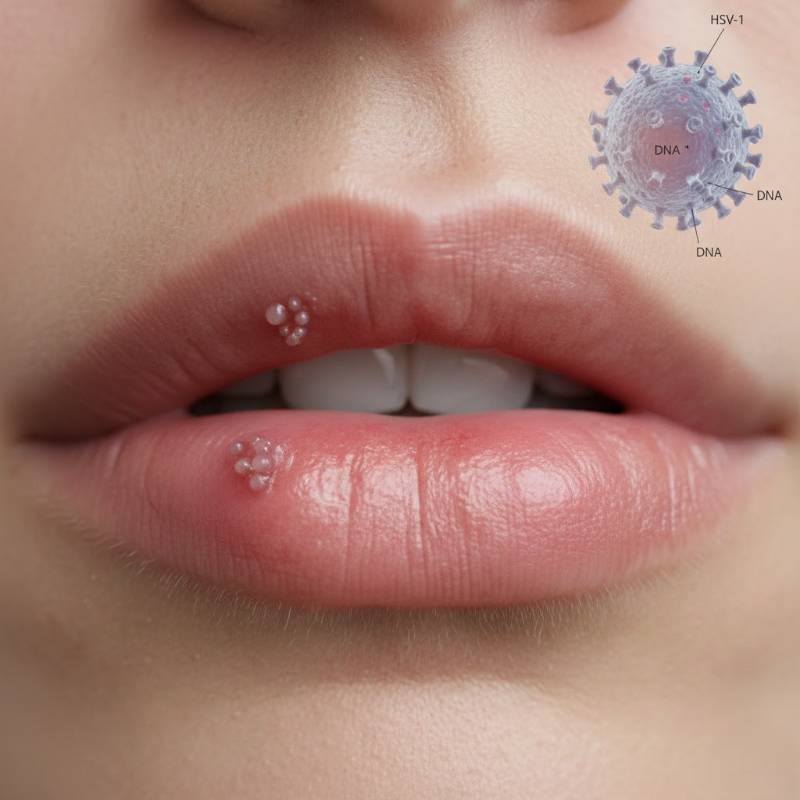
Do you keep getting painful blisters around your lips? Learn about the causes of oral herpes and how it can be treated.
Do you get painful blisters around your lips that keep coming back every time they heal? The causes of oral herpes are many—it’s not just a passing skin rash. Discover the real reasons and sudden triggers that reactivate the virus, and learn how proper treatment and prevention can reduce the frequency of these troublesome outbreaks and protect you from infection.
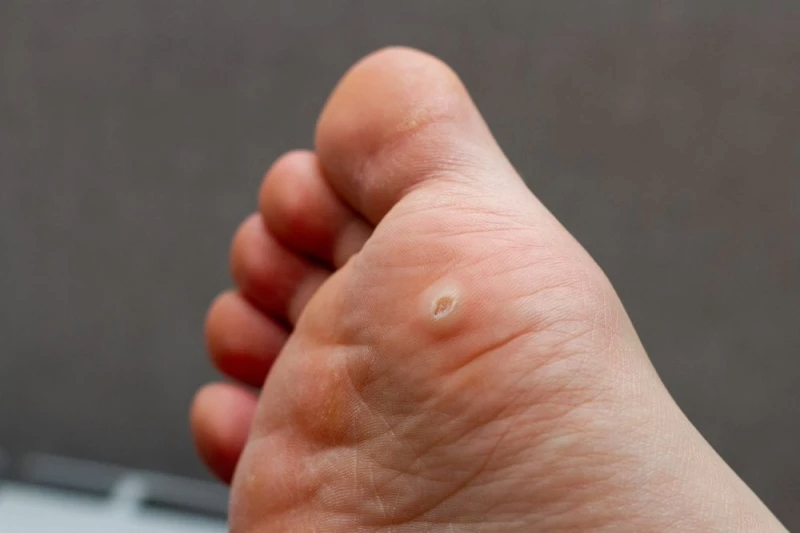
Permanent treatment for plantar warts on the foot
Plantar warts, also known as verrucas, are one of the most common types of warts. They appear as rough, flat growths on the sole of the foot and resemble small raised bumps on the skin’s surface. Fortunately, there are several effective ways to treat plantar warts on the foot.
What is the danger of HIV/AIDS and how is it transmitted?
AIDS is caused by infection with the Human Immunodeficiency Virus (HIV), which leads to a weakened immune system. The virus can be transmitted through blood transfusions, unprotected sexual contact, and other means. While there is currently no definitive cure for AIDS, it can be effectively managed with medical treatment, allowing patients to lead long and healthy lives.
Hepatitis C Symptoms, Causes, and How to Treat It
Hepatitis C is caused by infection with the HCV virus, which is transmitted through the blood and targets the liver, leading to inflammation and liver tissue damage. The real danger lies in the absence of symptoms during the early stages of infection.

Your Guide to Managing Atopic Dermatitis Symptoms
Atopic dermatitis is a chronic condition that may be difficult to cure completely, but with proper precautions and treatments, its symptoms can be managed, flare-ups can be prevented, and the skin’s condition can be improved.

Exploring Pityriasis Rosea and Its Secrets
Pityriasis rosea is a non-chronic skin condition characterized by oval, pink patches that typically appear first, followed by smaller surrounding lesions within 1–2 weeks, forming a pattern that resembles a Christmas tree. The rash usually fades on its own within about three months.
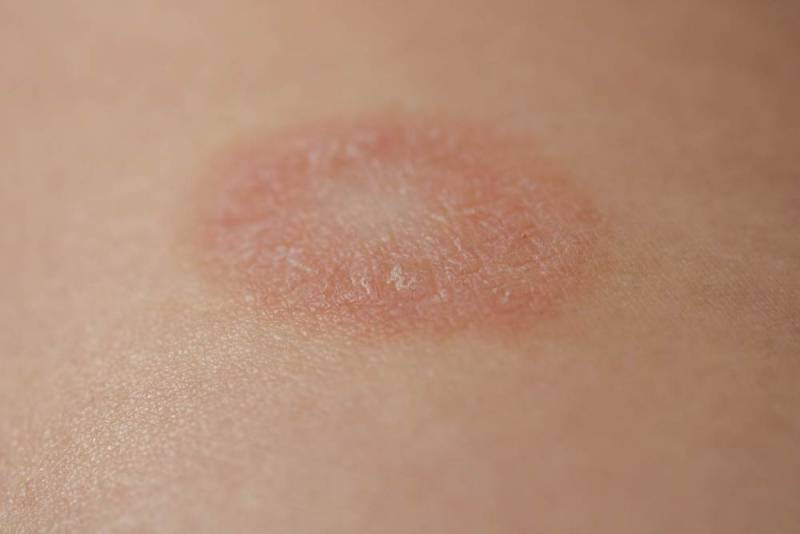
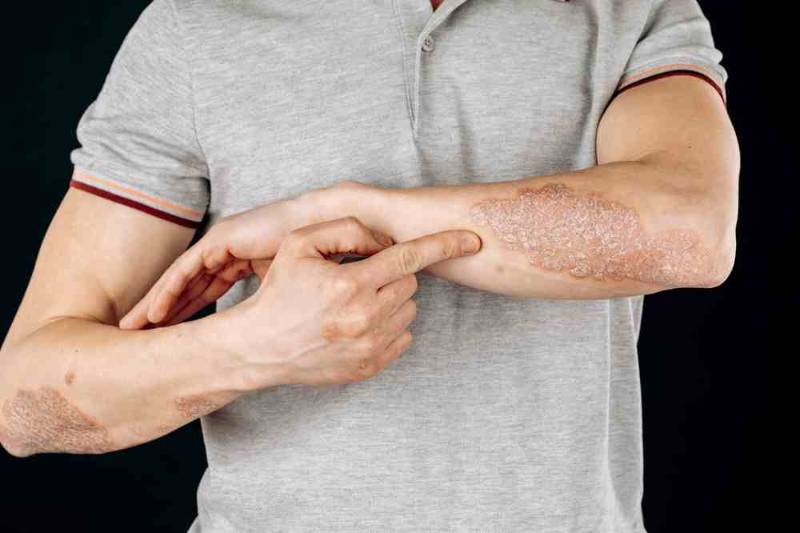
Is psoriasis contagious? Causes and treatment of psoriasis
Psoriasis is a chronic autoimmune disease that causes thickened, scaly patches on the skin. It is classified into several types and can be treated with topical or systemic medications to prevent complications.