How can you distinguish between spring allergies and the common cold?
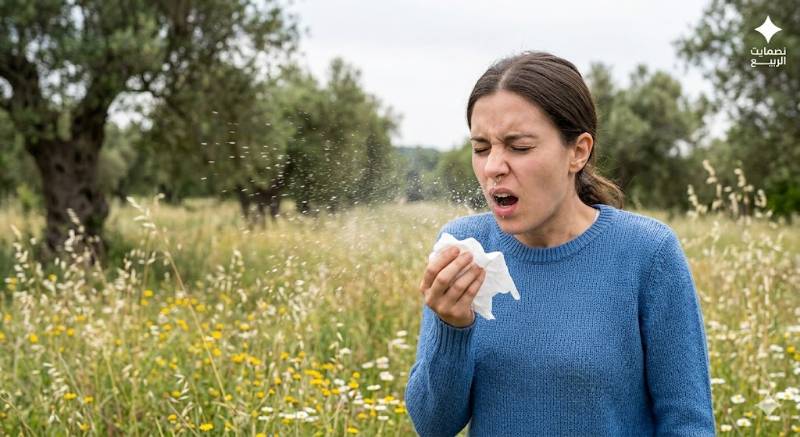
What is spring allergy?
Spring allergy is an exaggerated immune response to substances that are usually harmless, most notably pollen released by trees and grasses into the air. When a person inhales these particles, the body identifies them as foreign invaders and begins producing antibodies that trigger the release of histamine. This chemical is responsible for dilating blood vessels and irritating tissues, leading to a range of bothersome symptoms that persist throughout the season.
The severity of the allergy is influenced by environmental factors; symptoms tend to worsen on dry, windy days, while they improve after rainfall, which helps clear pollen and airborne particles from the air.
How can you tell the difference between spring allergy and a common cold?
Despite their similarities, there are key differences. A cold is often accompanied by muscle aches and sometimes a mild fever, and it usually improves within 7 to 10 days. In contrast, spring allergy does not cause fever and can last for weeks or throughout the flowering season. Another distinguishing feature is the type of nasal discharge: in allergies, it is clear and watery, while in a cold it may become thick and colored. Intense itching in the eyes and nose is also a hallmark of allergies and is rarely seen with colds.
Symptoms of spring allergy
Symptoms typically appear soon after exposure to triggers and vary in intensity from person to person. Most sufferers experience repeated sneezing, nasal congestion or runny nose with clear, thin discharge, along with intense itching in the nose, throat, or ears. In some cases, allergies can cause a feeling of pressure in the sinuses and headaches due to blocked airways, which may affect sleep quality and lead to general fatigue.
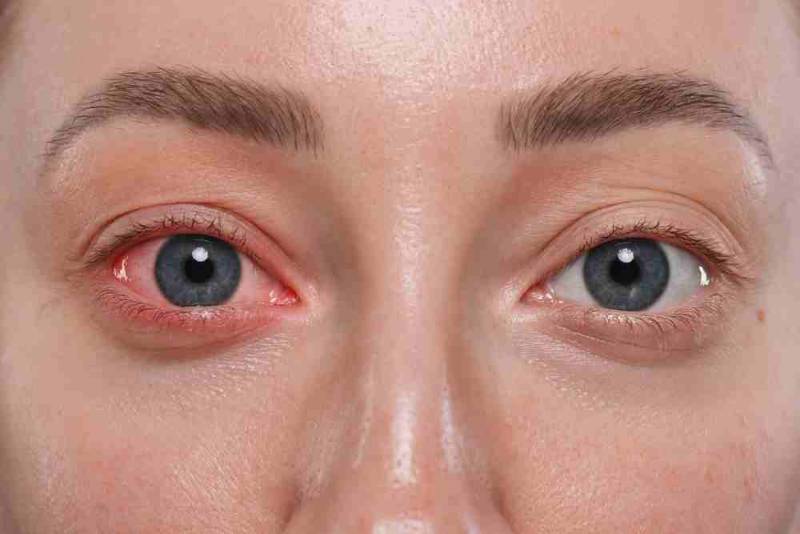
Spring allergy affecting the eyes
The eyes are directly affected when pollen comes into contact with their surface, leading to allergic conjunctivitis. Symptoms include noticeable redness, swollen eyelids, and excessive tearing. Patients often describe a burning or stinging sensation, which may prompt frequent eye rubbing—this can worsen inflammation and increase the risk of introducing microbes into the sensitive eye tissues.
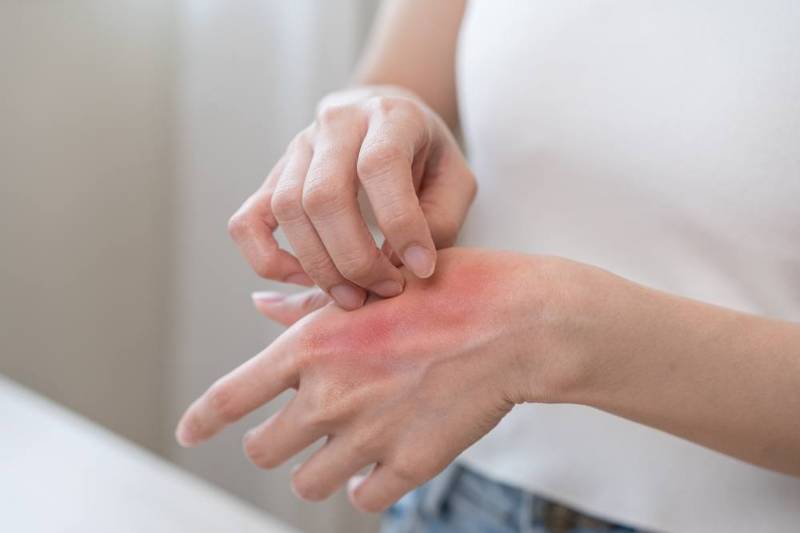
Spring skin allergy
Pollen doesn’t only affect the respiratory system; direct contact with the skin can also trigger reactions. This may appear as a red rash, areas of dryness, or intense itching. In people with eczema, symptoms may worsen during spring, with increased irritation, scaling, or small blisters. Hives may also occur, presenting as raised, red welts that can be itchy and move from one area to another.
Can spring allergy cause constant fatigue?
Yes. When exposed to pollen, the immune system works intensely to release histamine and other chemicals, which consumes a significant amount of energy. Additionally, chronic nasal congestion and difficulty breathing at night can disrupt sleep and reduce oxygen levels. As a result, a person may wake up feeling mentally foggy and unable to concentrate—a condition medically known as allergy-related fatigue.
Treatment of spring allergy
Treatment mainly depends on avoiding triggers as much as possible and using medications to calm the body’s reaction. Doctors often recommend saline nasal rinses to remove trapped dust and pollen. Moisturizing eye drops also help relieve irritation. Keeping the home clean and closing windows during windy periods are essential parts of an effective management plan.
Medications for spring allergy
The appropriate medication depends on symptom type and severity. Common options include:
- Antihistamines (tablets or syrups) to reduce itching and sneezing
- Nasal sprays containing corticosteroids to reduce inflammation and ease breathing
- Anti-allergy eye drops that stabilize immune cells and prevent the release of irritating substances
These medications should be used regularly during the season for optimal control.
Do masks help prevent allergies?
Studies have shown that masks—especially N95 types—are highly effective in reducing symptoms. They act as a physical filter that prevents pollen particles from entering the respiratory tract. Since pollen grains range from 10 to 100 microns in size, mask fibers can effectively trap them, reducing the amount inhaled and, consequently, decreasing sneezing and inflammation. Wearing a mask is particularly recommended during outdoor activities such as gardening or walking in open areas.
Conclusion
Although spring allergy may seem like an unavoidable seasonal downside to enjoying nature, managing it wisely makes living with it much easier. The key lies in early preparation—starting allergy medication before peak pollen season, along with simple preventive measures at home, helps keep your immune system balanced and reduces the risk of exhausting symptoms.
If you still need medical advice, you can easily book an appointment through Vezeeta.
Related Keywords

Specialized Doctors

Eman Ali Tolba
Consultant in Allergy, Immunology and Internal Medicine

ghada fouda
Allergy consultant at Allergy and Immunology center, Al-Azhar University Registered Clinical Nutritionist, UK

Manar Farouk
senior consultant of internal medicine, allergy and immunology
References
- https://www.google.com/search?q=https://www.healthline.com/health/allergies/seasonal-allergies-prevention
- https://www.mayoclinic.org/diseases-conditions/hay-fever/symptoms-causes/syc-20373039
- https://www.webmd.com/allergies/fitness-allergies
- https://www.nhs.uk/conditions/hay-fever/
- https://www.aaaai.org/tools-for-the-public/conditions-library/allergies/masks-and-allergies
- https://my.clevelandclinic.org/health/articles/21493-is-it-a-cold-or-allergies
- https://www.webmd.com/allergies/features/allergic-fatigue
Specialized Doctors
Eman Ali Tolba
Consultant in Allergy, Immunology and Internal Medicine
ghada fouda
Allergy consultant at Allergy and Immunology center, Al-Azhar University Registered Clinical Nutritionist, UK
Manar Farouk
senior consultant of internal medicine, allergy and immunology