What is the danger of HIV/AIDS and how is it transmitted?
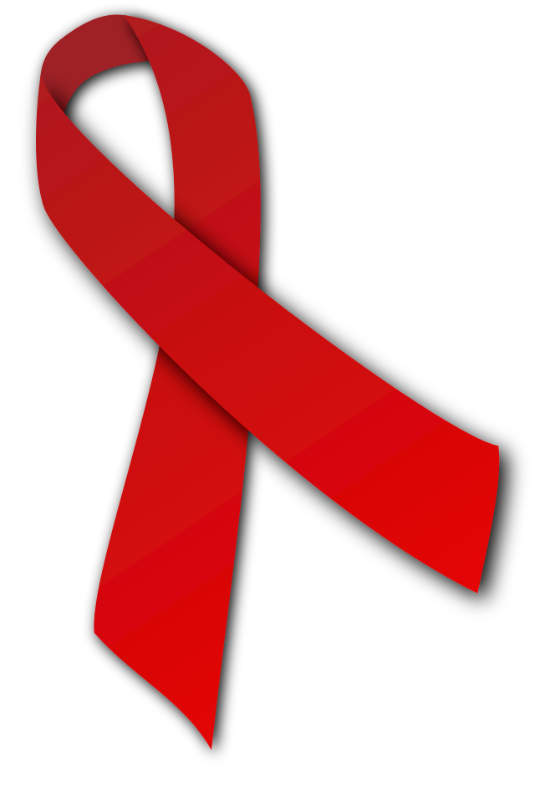
Did you know there's a disease that threatens the health of millions worldwide and poses major challenges to scientists and communities alike? It’s AIDS — a viral infection caused by the Human Immunodeficiency Virus (HIV).
What makes AIDS particularly dangerous is its silent progression. The virus can live in the body for years without clear symptoms, all the while attacking and destroying immune cells, leaving the body vulnerable to infections and other diseases. Once the disease reaches its final stage, the immune system becomes severely weakened, making even minor infections potentially life-threatening.
What Is AIDS?
AIDS (Acquired Immunodeficiency Syndrome) is a condition that can develop in people infected with HIV. It represents the most advanced stage of HIV infection. However, being diagnosed with HIV does not necessarily mean the person has AIDS.
AIDS is characterized by a dramatic decrease in white blood cell count and severe damage to the immune system, often accompanied by opportunistic infections or certain cancers. Without treatment, HIV may progress to AIDS within about 10 years.
What is the Difference Between HIV and AIDS ?
- HIV (Human Immunodeficiency Virus): A virus that targets and weakens the immune system, making individuals more susceptible to infections and diseases.
- AIDS: The final stage of HIV infection, occurring when the immune system is severely compromised.
HIV is especially dangerous because symptoms may not appear immediately, allowing it to spread unknowingly from one person to another.
What are Stages of HIV Infection?
HIV progresses through three main stages:
1. Acute HIV Infection
This early stage typically presents flu-like symptoms (fever, sore throat, fatigue) lasting 2–4 weeks. These symptoms may subside quickly, and the virus continues multiplying silently.
2. Clinical Latency Stage
Also called the asymptomatic stage, this phase can last up to 10 years. The virus remains active but reproduces at low levels. A person may feel healthy yet can still transmit HIV to others.
3. AIDS (Advanced HIV)
At this stage, the immune system is severely damaged, and the body becomes prone to opportunistic infections or cancers. Without treatment, life expectancy is drastically reduced.
What are Symptoms of AIDS?
Early Symptoms (2–4 weeks after infection):
- Fever
- Nausea
- Diarrhea
- Headache
- Chills
- Night sweats
- Body rash
- Fatigue and weakness
- Joint and muscle pain
- Sore throat
- Swollen lymph nodes
Asymptomatic Phase:
Most people show no symptoms during this stage, but the virus continues to harm the immune system.
Advanced Stage (AIDS):
- Blurred vision
- Dry cough
- Persistent night sweats
- White patches on the tongue or mouth
- Shortness of breath
- Persistent swollen lymph nodes
- Chronic diarrhea
- Persistent fever over 38°C
- Constant fatigue
- Unexplained weight loss
How Is HIV Transmitted?
HIV is transmitted through direct exposure to specific body fluids, including:
- Blood
- Semen
- Vaginal and rectal fluids
- Breast milk
What are Main Causes of HIV Transmission?
- Unprotected vaginal or anal sex
- Sharing needles or syringes (especially among drug users)
- Using unsterilized tools for shaving or tattooing
- From mother to baby during pregnancy, childbirth, or breastfeeding
- Blood transfusions or organ transplants from infected donors
What are Less Common Routes of Transmission?
- Oral sex
- Bites from an HIV-positive individual
- Exposure to broken skin or mucous membranes
What Does NOT Transmit HIV?
- Skin-to-skin contact
- Hugging, shaking hands, or kissing
- Air or water
- Sharing food or drinks
- Body fluids like saliva, sweat, or tears
- Sharing toilets, towels, or bedding
- Mosquitoes or other insects
How Is HIV Diagnosed?
Doctors may use several tests to diagnose HIV:
Initial Tests:
- Antibody tests: Detect antibodies 23–90 days after exposure.
- Nucleic Acid Tests (NATs): Detect the virus itself within 10–33 days after exposure.
If Positive, Further Tests May Include:
- Complete Blood Count (CBC)
- Hepatitis B and C screening
- Chest X-ray
- Pap smear (for women)
- CD4 cell count
- Tuberculosis screening
What are Complications of AIDS?
Without treatment, AIDS can lead to severe complications, including:
- Wasting syndrome: Unintentional weight loss, diarrhea, chronic weakness, and fever
- Neurological issues: Confusion, memory loss, depression, anxiety, motor difficulties
- Kidney damage: Especially in advanced stages
- Liver diseases: Especially when co-infected with hepatitis B or C
- Pneumocystis pneumonia (PCP)
- Oral and esophageal candidiasis (thrush)
- Tuberculosis (TB): A leading cause of death among HIV patients
- Cytomegalovirus (CMV): Affects eyes, lungs, or digestive tract
- Cryptococcal meningitis: A serious brain infection
- Toxoplasmosis: A brain or heart infection caused by a parasite
- Lymphoma
- Kaposi's sarcoma: A cancer that causes red or purple lesions on the skin and mouth
- HPV-related cancers: Such as anal, oral, or cervical cancer
What is the Treatment of AIDS?
There is currently no definitive cure for AIDS, but antiretroviral therapy (ART) helps control the virus, reduce viral load, and prevent progression to AIDS. Treatment includes:
- Nucleoside reverse transcriptase inhibitors (NRTIs)
- Non-nucleoside reverse transcriptase inhibitors (NNRTIs)
- CCR5 antagonists
- Protease inhibitors (PIs)
- Fusion inhibitors
- Pharmacokinetic enhancers
- Integrase strand transfer inhibitors (INSTIs)
- Attachment inhibitors
- Post-attachment inhibitors
- Combination HIV drugs
What areTips for Living with HIV/AIDS?
Early treatment is essential. Here are lifestyle recommendations:
- Start ART as early as possible
- Maintain a balanced diet
- Exercise regularly
- Get adequate rest
- Avoid smoking and drugs
- Practice safe sex
- Manage stress and mental health
Conclusion
AIDS remains one of the most serious and challenging diseases faced by humanity, despite the virus itself being relatively weak. Without awareness and preventive measures, it could lead to global outbreaks. Spreading awareness and early testing are key to combating HIV/AIDS and ensuring a healthier future.
If you still need to consult a doctor regarding this condition, you can easily book an appointment through Vezeeta
Related Keywords
Specialized Doctors

Amal Mohamed Habib
consultant of Allergy
Sara Said
Consultant of Internal medicine, Allergy, and Immunology Faculty of Medicine, Ain Shams University

Manar Farouk
senior consultant of internal medicine, allergy and immunology
References
World Health Organization (WHO). HIV/AIDS – Key Facts.
Available at: https://www.who.int/news-room/fact-sheets/detail/hiv-aids
Centers for Disease Control and Prevention (CDC). How HIV Spreads.
Available at: https://www.cdc.gov/hiv/basics/hiv-transmission
CDC. About HIV.
Available at: https://www.cdc.gov/hiv/basics/whatishiv
UNAIDS. Global HIV & AIDS Statistics.
Available at: https://www.unaids.org/en/resources/fact-sheet
HIV.gov (U.S. Department of Health & Human Services). How HIV is Transmitted & Prevented.
Available at: https://www.hiv.gov/hiv-basics/overview/about-hiv-and-aids/how-is-hiv-transmitted
Mayo Clinic. HIV/AIDS – Symptoms and Causes.
Available at: https://www.mayoclinic.org/diseases-conditions/hiv-aids/symptoms-causes
National Institutes of Health (NIH). HIV/AIDS Basics.
Available at: https://hivinfo.nih.gov/understanding-hiv/fact-sheets/hiv-and-aids-basics
Specialized Doctors
Amal Mohamed Habib
consultant of Allergy
Sara Said
Consultant of Internal medicine, Allergy, and Immunology Faculty of Medicine, Ain Shams University
Manar Farouk
senior consultant of internal medicine, allergy and immunology