Is psoriasis contagious? Causes and treatment of psoriasis
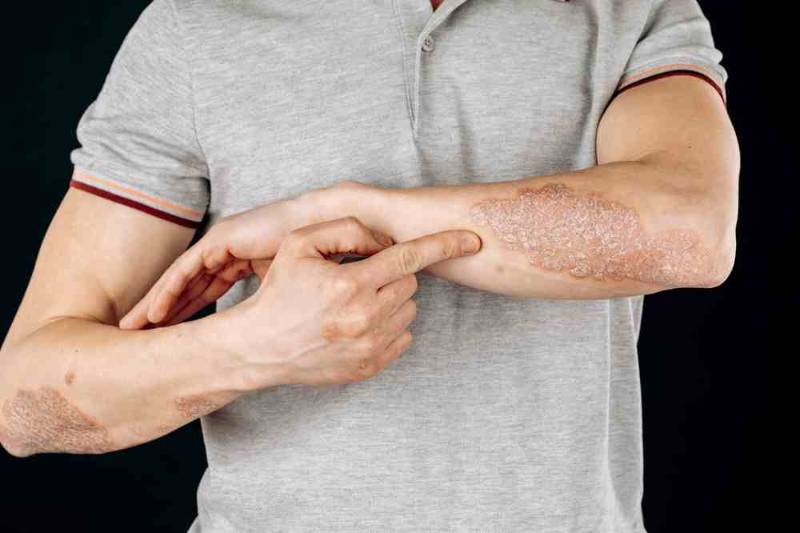
Psoriasis is a chronic autoimmune skin disease that requires long-term or even lifelong treatment in some cases.
In this article, we explore the causes, symptoms, treatments, and complications of psoriasis—and most importantly, whether it's contagious.
What Is Psoriasis?
Psoriasis is a chronic immune-mediated condition that causes skin inflammation and abnormally rapid cell turnover, resulting in thick, scaly plaques that are itchy and uncomfortable.
It is more common in people with lighter skin tones and typically affects individuals between the ages of 15–25 and 50–60 years.
In severe cases, these plaques can crack and bleed. Common areas affected include:
- Elbows and ankles (joint areas)
- Scalp
- Hands
- Neck
- Feet
- Face
- Less commonly, it may also affect the mouth, nails, and the genital region.
What are Symptoms of Psoriasis ?
Symptoms vary from person to person. Some may have small patches, while others experience widespread lesions. Psoriasis may flare for a few days or weeks, disappear, then reappear later.
Common symptoms include:
- Raised, inflamed skin patches that appear red on light skin or purple/brown on dark skin
- Soreness or tenderness around plaques
- Intense itching or burning
- Joint pain and swelling
- Silvery-white scales on red skin (or grayish on darker skin)
- Dry, cracked skin that may bleed
- Thickened nails with pits or grooves
What are Causes of Psoriasis?
Psoriasis is caused by an overactive immune system that attacks healthy skin cells, accelerating cell production from a 30-day cycle to just 3–4 days. This results in the buildup of dead skin cells, forming visible plaques.
Genetics also play a role, as psoriasis tends to run in families.
What Triggers Psoriasis Flares?
Psoriasis often returns after periods of remission, triggered by factors such as:
- Bacterial infections
- Certain medications (e.g., lithium, beta blockers)
- Skin injuries or wounds
- Stress
- Weather changes and temperature fluctuations
- Sunburn
- Alcohol consumption or smoking
What are Types of Psoriasis?
Each type of psoriasis has distinct features and affects different body parts:
- Plaque Psoriasis (Psoriasis Vulgaris)
- The most common form (80–90% of cases)
- Characterized by raised, red (or purple/brown) patches with silvery (or gray) scales
- Often appears on elbows, knees, and scalp
- Guttate Psoriasis
- Small, pink or violet drops on the trunk, arms, or legs
- More common in children
- Pustular Psoriasis
- White pustules filled with pus over red or violet skin
- Often affects hands and feet; more common in adults
- Inverse Psoriasis
- Appears as shiny, red patches in skin folds such as under breasts, groin, or armpits
- Erythrodermic Psoriasis
- Rare but severe form
- Causes widespread redness and shedding of large skin sheets
- May resemble sunburn and require immediate care
- Sebopsoriasis
- Greasy, yellowish scales typically on the face and scalp
- Nail Psoriasis
- Causes nail discoloration, thickening, and pitting
Is Psoriasis Contagious?
No, psoriasis is not contagious.
It does not spread through touch, skin contact, or shared objects. It is a result of immune system dysfunction, not an infection caused by bacteria or viruses.
For example, hairstylists do not need to worry about transmitting scalp psoriasis between clients—though general hygiene and disinfection are still important.
How Is Psoriasis Diagnosed?
A dermatologist will examine the affected areas and review your medical history. Common diagnostic questions include:
- When did the symptoms first appear?
- Do they recur?
- What skincare products do you use?
- Do you have a family history of skin conditions?
- Have you tried any treatments?
If needed, a skin biopsy may be performed for further evaluation under a microscope.
Can Psoriasis Be Cured?
Psoriasis cannot be permanently cured as it is a chronic autoimmune disorder. However, treatment can effectively control symptoms, reduce inflammation, and slow skin cell growth.
Avoiding known triggers can help prevent flare-ups and reduce disease progression.
What are theTreatment Options of Psoriasis?
Treatment depends on the severity and extent of the condition. If topical treatments fail, more aggressive therapies may be necessary.
1. Topical Medications
Used for mild to moderate cases:
- Moisturizers
- Salicylic acid
- Vitamin D analogs
- Anthralin
- Topical corticosteroids
- Topical retinoids
- JAK inhibitors
2. Systemic Treatments
For severe or treatment-resistant psoriasis, these options target the immune system:
- Oral retinoids: Reduce cell production but may cause side effects (dry mucosa, hair loss, birth defects—avoid during pregnancy and for 3 years before conception).
- Phototherapy: Uses UV light to slow skin cell growth.
- Biologics: Injectable drugs that modulate immune responses.
- Cyclosporine: Suppresses the immune system, but increases infection risk.
- Methotrexate: Another immunosuppressant; must be used cautiously and avoided during pregnancy.
What are Complications of Psoriasis?
Uncontrolled psoriasis may lead to:
- Obesity
- Type 2 diabetes
- Depression and low self-esteem
- High blood pressure or heart disease
- Psoriatic arthritis: Joint swelling and pain
- Temporary skin discoloration in affected areas
How to Prevent Psoriasis Flares?
- Avoid alcohol and trigger foods (processed meat, dairy, red meat)
- Eat a healthy, anti-inflammatory diet
- Exercise regularly
- Maintain a healthy weight
- Take vitamin-rich foods or supplements (with medical advice)
In Summary
Psoriasis is a chronic immune-related condition that accelerates skin cell growth, leading to thick, scaly patches.
It’s not contagious and can be managed with medications, healthy lifestyle changes, and avoiding triggers. There are several types of psoriasis, each requiring tailored treatment and care.
If you still need to consult a doctor regarding this condition, you can easily book an appointment through Vezeeta
Related Keywords
Specialized Doctors

Amal Mohamed Habib
consultant of Allergy

Manar Farouk
senior consultant of internal medicine, allergy and immunology
Sara Said
Consultant of Internal medicine, Allergy, and Immunology Faculty of Medicine, Ain Shams University
References
American Academy of Dermatology (AAD). Psoriasis: Symptoms, causes, and treatment.
Available at: https://www.aad.org
Mayo Clinic. Psoriasis: Diagnosis and treatment.
Available at: https://www.mayoclinic.org
National Institute of Arthritis and Musculoskeletal and Skin Diseases (NIAMS). Psoriasis.
Available at: https://www.niams.nih.gov
Cleveland Clinic. Psoriasis: Causes, symptoms, and treatments.
Available at: https://my.clevelandclinic.org
World Health Organization (WHO). Skin diseases: Psoriasis overview.
Available at: https://www.who.int
Specialized Doctors
Amal Mohamed Habib
consultant of Allergy
Manar Farouk
senior consultant of internal medicine, allergy and immunology
Sara Said
Consultant of Internal medicine, Allergy, and Immunology Faculty of Medicine, Ain Shams University