Exploring Pityriasis Rosea and Its Secrets
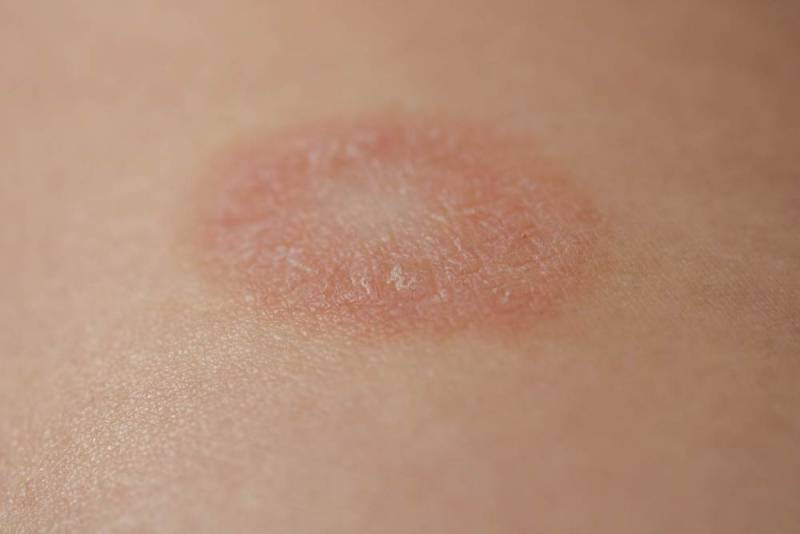
Simple in appearance yet fascinatingly complex in origin, pityriasis rosea manifests as oval, pink patches on the body. Though its presentation is familiar, its causes remain largely mysterious. In this article, we shed light on this enigmatic rash—exploring its development, treatment, and how to manage it.
What Is Pityriasis Rosea?
Pityriasis rosea is a non-chronic inflammatory skin condition characterized by oval, pinkish patches that typically resolve on their own within 1–3 months without leaving scars.
- It affects women about 50% more frequently than men.
- Most common in individuals aged 10–35 years.
- Can appear anywhere on the body but is most often seen on the legs, arms, and trunk.
What are Signs and Symptoms of Pityriasis Rosea?
- Begins with a single scaly, oval "herald patch" (2–10 cm) on the trunk or back.
- Within 1–2 weeks, smaller similar patches appear, forming a pattern reminiscent of a Christmas tree.
- Appearance varies by skin tone:
- Light skin: pink, slightly raised patches with fine white scales centrally.
- Dark skin: purple or brownish patches that may be more raised, with a center resembling broken-down cells.
- Accompanying symptoms can include:
- Mild fever, headache, or sore throat
- General fatigue
- Itching
- Decreased appetite
- Sleep disturbances
- Nausea or body aches
Cause: What's Behind the Mystery?
The exact cause remains uncertain. Medical research suggests:
- A viral trigger, possibly a strain of herpes virus.
- Long-term emotional stress may increase susceptibility.
- Certain fungal infections (like tinea) can mimic pityriasis rosea, but unlike the contagious fungus, pityriasis rosea is typically non-infectious.
Food, Bathing, and Immune Links
- No specific foods cause the condition, but fried/fatty foods, processed meats (e.g., hot dogs), trans fats, and refined carbs may exacerbate inflammation.
- Hot baths may worsen itching and rash; cool baths, especially with oatmeal, are preferred.
- It's not classified as an autoimmune disease, but weakened immunity may play a role in its appearance.
What is the Diagnosis of Pityriasis Rosea?
Diagnosis usually depends on:
- Clinical examination and appearance of the rash
- Patient’s medical history and rash progression
- In some cases, doctors may order a skin biopsy, patch testing, or blood work to rule out other skin conditions like fungal infection, vitiligo, or eczema.
How Long Will It Last?
- Most cases resolve within 6–8 weeks without treatment.
- Post-inflammatory spots (lighter or darker) may linger, especially on darker skin, but usually fade within 6–12 months.
What are Treatment Options for Pityriasis Rosea?
Although no cure exists, treatments aim to relieve symptoms:
- Antiviral medications or topical/systemic corticosteroids may be prescribed.
- UV-B phototherapy can help in severe or persistent cases.
- Topical creams containing antihistamines or steroids to reduce redness and itching.
- Oral antihistamines for widespread or bothersome itching.
Home Care and Lifestyle Tips
- Use cool-water baths, optionally with colloidal oatmeal to soothe irritation.
- Take any prescribed medications regularly.
- Apply soothing lotions—especially after baths.
- Use a broad-spectrum sunscreen (SPF 30+), reapplying every two hours outdoors.
- Anti-inflammatory foods may help:
- Tomatoes, olive oil, leafy greens, oily fish (like sardines, mackerel)
- Topical oils such as lavender oil, coconut oil, or tea tree oil—but only after consulting your doctor.
What are Potential Complications of Pityriasis Rosea?
Although rare, pityriasis rosea may cause:
- Lingering hyper- or hypopigmented patches, especially in darker skin tones
- Severe itching
- Miscarriage in pregnant women (rare risk)
- If the rash persists beyond 3 months, seek medical evaluation to rule out other conditions or triggers (e.g., medications).
Conclusion
Pityriasis rosea often appears as a temporary yet puzzling skin rash. Though its cause remains uncertain, its symptoms are recognizable, and treatment options range from simple home care to medical therapies. The condition is self-limiting in most cases, and recovery typically brings long-term resolution without recurrence.
If you still need to consult a doctor regarding this condition, you can easily book an appointment through Vezeeta
Related Keywords
Specialized Doctors

Amal Mohamed Habib
consultant of Allergy

Sara Said
Consultant of Internal medicine, Allergy, and Immunology Faculty of Medicine, Ain Shams University

Manar Farouk
senior consultant of internal medicine, allergy and immunology
References
American Academy of Dermatology (AAD). Pityriasis Rosea: Symptoms, Causes, and Treatment.
Available at: https://www.aad.org
Mayo Clinic. Pityriasis Rosea: Overview, Symptoms, and Management.
Available at: https://www.mayoclinic.org
Cleveland Clinic. Pityriasis Rosea: Causes, Diagnosis, and Treatment.
Available at: https://my.clevelandclinic.org
National Health Service (NHS). Pityriasis Rosea: Symptoms and Treatment.
Available at: https://www.nhs.uk
DermNet NZ. Pityriasis Rosea: Clinical Features and Management.
Available at: https://dermnetnz.org
Specialized Doctors
Amal Mohamed Habib
consultant of Allergy
Sara Said
Consultant of Internal medicine, Allergy, and Immunology Faculty of Medicine, Ain Shams University
Manar Farouk
senior consultant of internal medicine, allergy and immunology