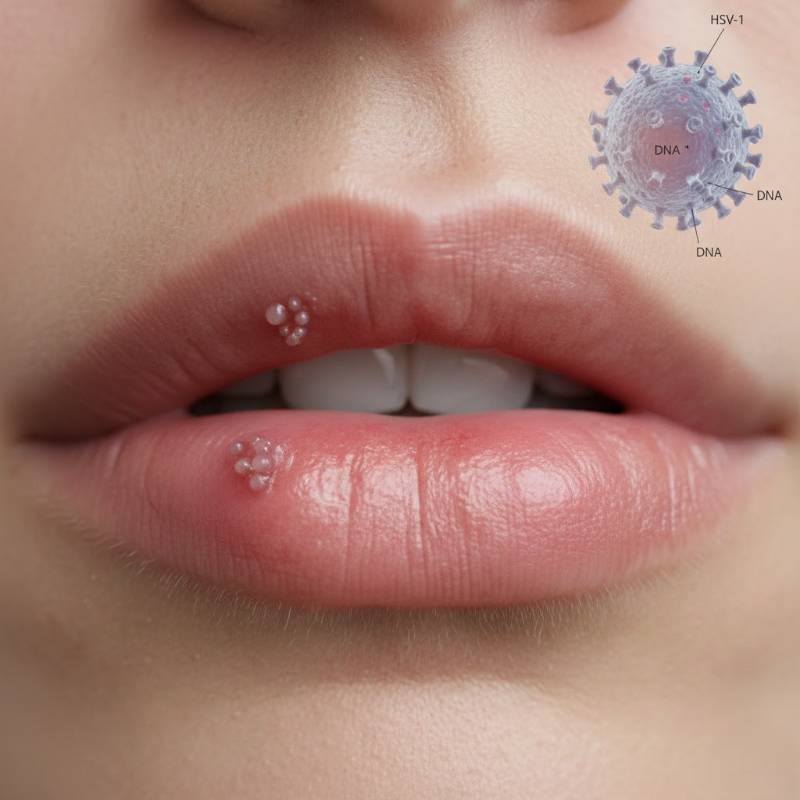
Oral herpes is a common viral infection that appears as small blisters or sores around the mouth or lips. It is also known as cold sores or fever blisters and is most often caused by herpes simplex virus type 1 (HSV-1). Once the virus enters the body, it does not disappear completely; instead, it remains dormant in the nerves and may become active again when certain triggers are present.
Oral herpes usually appears as clusters of small blisters filled with clear fluid, most commonly along the edge of the lips. One or two days before the blisters appear, symptoms such as itching, burning, or tingling may occur. The blisters then burst and turn into sores that become covered with yellow or brown crusts. During the first infection, mild fever or swollen lymph nodes may also occur.
Oral herpes can be more troublesome in children, especially during the first episode. Symptoms may include sores inside the mouth and on the gums, excessive drooling, and difficulty eating or drinking due to pain. The child may also experience fever, headache, and general fatigue. It is important to prevent the child from touching the sores to avoid spreading the infection to the eyes.
Oral herpes is contagious and usually appears outside the mouth on the lips, while common mouth ulcers are not contagious and appear inside the mouth.
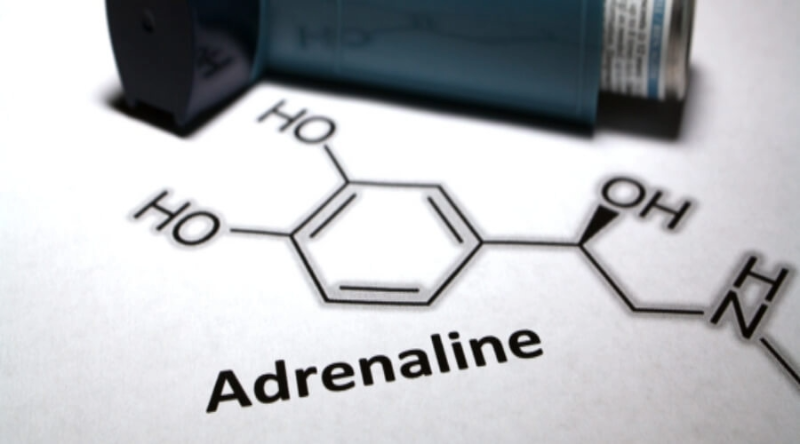
Oral herpes is caused by infection with a highly contagious virus that spreads through direct contact, such as kissing or sharing personal items like cups, utensils, and towels. Recurrent outbreaks are linked to several factors, including:
You should consult a doctor if the sores do not heal within two weeks, if they appear near the eyes, or if outbreaks recur frequently during the year. Immediate medical advice is also necessary if the affected person has chronic illnesses or a weakened immune system.
Diagnosis is usually based on a clinical examination of the appearance and location of the sores. In unclear cases, the doctor may take a swab from the blister fluid or order a blood test to confirm the presence of the virus.
There is no definitive cure that completely eliminates the virus, but available treatments help speed up healing and reduce pain. Treatment includes antiviral medications in the form of tablets or topical creams applied directly to the sores. Rest, avoiding touching the sores, and maintaining good hygiene of the affected area are also recommended.
Treatment in children mainly focuses on home care and hydration. It is very important to encourage the child to drink cold fluids to prevent dehydration, as sore pain may cause refusal to drink. Topical pain relievers or fever reducers (such as paracetamol) may be used after consulting a doctor to relieve pain and fever.
If diagnosed early, the doctor may prescribe an antiviral ointment. It should be applied gently using a clean cotton swab to avoid touching the sores with your hands. Soft, cold foods are recommended, and acidic or salty foods should be completely avoided, as they may worsen the burning sensation and make eating painful.
Oral herpes during pregnancy should be managed cautiously and under medical supervision. Safe topical treatments are usually preferred, and oral medications may be used in limited cases if the infection is severe.
No. The virus remains in the body for life, but its symptoms can be controlled and the frequency of outbreaks reduced.
Yes, oral herpes is highly contagious, especially when open blisters or oozing fluid are present. It spreads through droplets, kissing, or sharing personal items.
In most cases, oral herpes is not dangerous for healthy individuals. However, complications may occur if the infection spreads to the eyes or affects people with severely weakened immune systems, potentially leading to more serious health problems.
Yes. Exposure to ultraviolet rays can reactivate the virus, so using a lip sunscreen when exposed to the sun is recommended.
Although oral herpes may recur over long periods, maintaining good personal hygiene, proper nutrition, and early treatment can make these episodes brief and manageable without disrupting daily life. Staying calm when dealing with cold sores and following your doctor’s instructions will help you recover more quickly.
If you still need to consult a doctor about this condition, you can easily book an appointment through Vezeeta.
Consultant of allergy and immunology and lecturer ay zagazig university
Consultant in Allergy, Immunology and Internal Medicine
Consultant of Allergy and Immunology, Faculty of Medicine, Zagazig University
Consultant of allergy and immunology and lecturer ay zagazig university
Consultant in Allergy, Immunology and Internal Medicine
Consultant of Allergy and Immunology, Faculty of Medicine, Zagazig University