Symptoms of Endometriosis: When Is Medication Enough and When Do We Resort to Surgery?
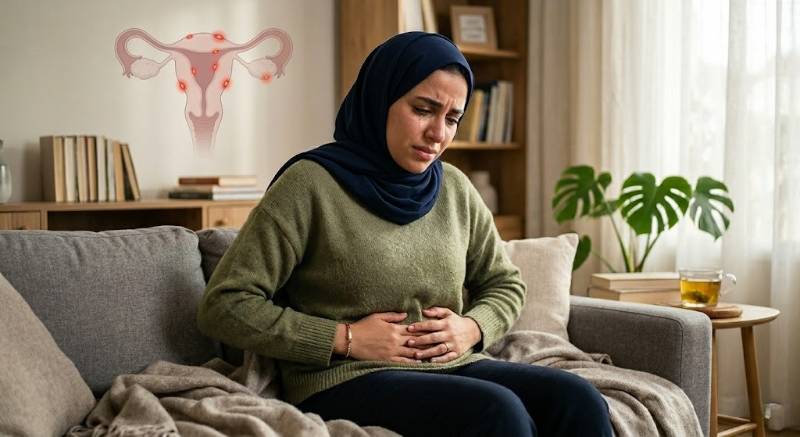
What Is Endometriosis?
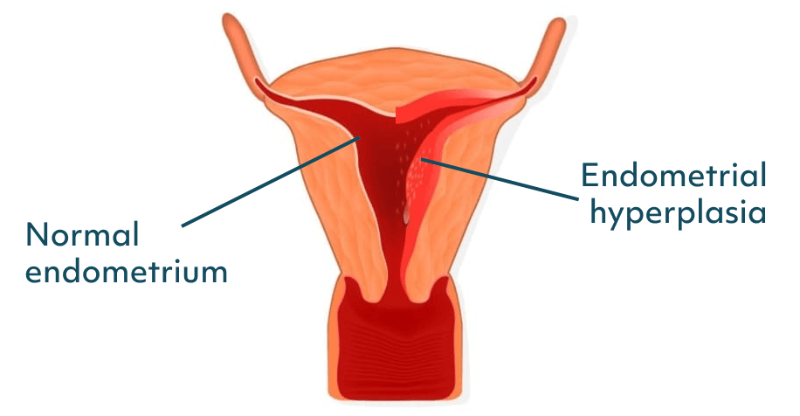
Endometriosis is a medical condition in which tissue similar to the lining of the uterus grows in other locations outside the uterus, such as the ovaries or the fallopian tubes. During each menstrual cycle, this tissue behaves just like the uterine lining—it thickens, breaks down, and bleeds. Because this blood has no way to exit the body, it becomes trapped inside, leading to irritation of surrounding tissues and the formation of painful scars or cysts.
Signs of Endometriosis
Pain is the most prominent symptom of endometriosis, but its severity and nature vary from one woman to another depending on where the displaced tissue is located. The most common symptoms include:
Severe and persistent pelvic pain: Often begins before the menstrual period and worsens during it, and is more intense than typical menstrual cramps.
Pain during or after sexual intercourse: A frequent symptom that can significantly affect quality of life.
Abnormal bleeding: Such as heavy menstrual bleeding or bleeding between periods.
Pain during urination or bowel movements: More noticeable during menstruation due to involvement of nearby organs.
Delayed conception or infertility: In some women, the condition is diagnosed after experiencing difficulty conceiving for a year or more without a clear cause.
How Can I Tell the Difference Between Normal Period Pain and Endometriosis Symptoms?
Normal menstrual pain is usually mild to moderate, limited to the lower abdomen or pelvis, and gradually improves with simple pain relievers such as paracetamol or ibuprofen. It typically resolves once the period ends.
Endometriosis pain, on the other hand, is noticeably different: it is severe, recurrent, and may prevent you from carrying out normal daily activities. It is often accompanied by additional symptoms such as lower back pain, pain during intercourse, or pain during urination or bowel movements, especially during menstruation. The pain may persist even after the period ends and is generally more intense than typical menstrual cramps.
The Impact of Endometriosis on Pregnancy and Fertility
Endometriosis can directly affect a woman’s ability to conceive, as inflammation and scarring may block the fallopian tubes or affect ovulation quality. However, early diagnosis and the use of fertility-stimulating medications under medical supervision can significantly improve the chances of pregnancy. Treatment success depends on careful follow-up and adherence to personalized medical protocols to control the condition and reduce its impact on fertility.
Does Endometriosis Cause Hair Loss?
There is no direct medical evidence linking endometriosis itself to hair loss. However, hair loss may occur due to severe psychological stress or as a side effect of certain hormonal treatments.
Does Endometriosis Cause Cancer?
Studies indicate that the risk of cancer associated with endometriosis remains very low, although there is a slight increase in the risk of certain types of ovarian cancer.
How Is Endometriosis Treated?
Treatment approaches for endometriosis primarily aim to relieve pain, reduce the growth of displaced tissue, and manage fertility issues. The treatment plan depends on symptom severity and the woman’s desire to conceive, and may include:
Medications, such as:
- Pain relievers: Used to ease cramps and pelvic pain associated with the condition.
- Hormonal therapies: These medications aim to reduce the activity of endometrial tissue by regulating hormone levels in the body.
- Fertility stimulants: If pregnancy is the goal, the doctor may prescribe medications to enhance ovulation and increase the chances of conception.
- Hormone-regulating drugs: Certain types are used to lower estrogen levels, helping to shrink endometrial tissue and reduce bleeding.
Lifestyle Changes
- Healthy diet: A diet rich in fruits, vegetables, and whole grains helps reduce inflammation.
- Physical activity: Regular exercise improves mood, relieves pelvic pain, and reduces stress.
- Weight management: Maintaining a healthy weight helps balance hormone levels, which can lessen symptom severity.
- Avoiding stimulants: Reducing caffeine intake is recommended, as it may worsen pain and cramps.
Endometriosis Surgery
Surgery is an effective option for removing endometrial tissue and painful scars. The goal of surgical intervention is to remove adhesions and displaced tissue while preserving the uterus and ovaries as much as possible. Surgery can also help reopen blocked pathways, such as the fallopian tubes, or remove ovarian cysts, thereby improving the chances of pregnancy. In some cases, more extensive surgery may be recommended if medical treatments are ineffective or if symptoms significantly affect quality of life.
Is Endometriosis a Serious Disease?
It is not life-threatening, but neglecting it may lead to complications such as infertility or chronic pelvic pain that interferes with normal daily life.
Conclusion
The symptoms of endometriosis are signals from your body urging you to pay attention to your reproductive health—they are not merely passing pains to be ignored. Early awareness of this condition and the ability to distinguish between normal pain and a real warning sign are essential steps in controlling the disease and minimizing its complications. Regular medical follow-up and choosing the most appropriate treatment—whether medical or surgical—give you a real opportunity to regain a better quality of life and safely achieve your dream of motherhood.
If you still need to consult a doctor about this condition, you can easily book an appointment through Vezeeta.
Related Keywords

Specialized Doctors
Fahima Mokhtar
Consultant of Gynecology and Obstetrics

Maher Elshazly
Consultant in Obstetrics, Gynecology, Infertility, ICSI, Gynecological Surgeries and Endoscopy, Al-Azhar Medicine

Samaa Abd El aziz El Gendy
Obstetrics and Gynecology Specialist
References
- https://www.mayoclinic.org/diseases-conditions/endometriosis/symptoms-causes/syc-20354656
- https://my.clevelandclinic.org/health/diseases/10857-endometriosis
- https://www.healthline.com/health/endometriosis
- https://www.google.com/search?q=https://www.webmd.com/women/endometriosis/endometriosis-symptoms-causes
- https://pubmed.ncbi.nlm.nih.gov/22137967/
- https://www.who.int/news-room/fact-sheets/detail/endometriosis
- https://www.google.com/search?q=https://my.clevelandclinic.org/health/diseases/10857-endometriosis%23management-and-treatment
- https://www.medicalnewstoday.com/articles/149109
Specialized Doctors
Fahima Mokhtar
Consultant of Gynecology and Obstetrics
Maher Elshazly
Consultant in Obstetrics, Gynecology, Infertility, ICSI, Gynecological Surgeries and Endoscopy, Al-Azhar Medicine
Samaa Abd El aziz El Gendy
Obstetrics and Gynecology Specialist