IVF (In Vitro Fertilization): Hope for Parenthood and an Effective Treatment for Fertility Problems
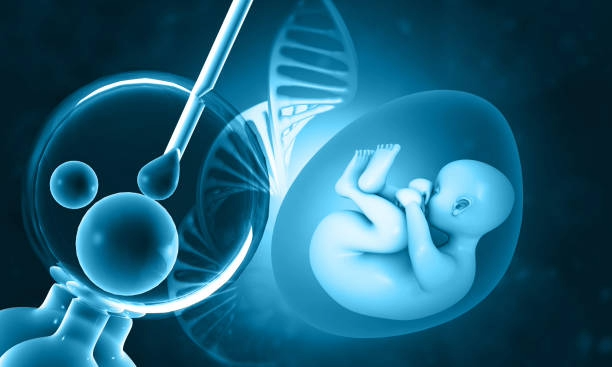
In vitro fertilization (IVF) is one of the most advanced medical solutions that offers hope to couples struggling with infertility. This technique involves fertilizing eggs with sperm outside the body in a laboratory, then transferring the resulting embryos into the woman’s uterus to continue development. IVF techniques have advanced significantly in recent years, leading to higher success rates and a broader range of treatable cases.
How Is the IVF Process Performed?
The IVF procedure involves several key steps:
- Ovarian Stimulation: The woman receives hormonal medications to stimulate the ovaries to produce multiple eggs instead of one as in a natural cycle. The growth of eggs is monitored via ultrasound and blood tests.
- Egg Retrieval: Once the eggs reach the desired size, they are retrieved using a thin needle under local or general anesthesia. This procedure typically takes 15–20 minutes.
- Sperm Collection: On the same day as egg retrieval, a semen sample is collected from the partner, or sperm is surgically extracted from the testicles in special cases.
- Laboratory Fertilization: Eggs are fertilized with sperm either through conventional mixing or via intracytoplasmic sperm injection (ICSI), where a single sperm is directly injected into each egg.
- Embryo Culture: The resulting embryos are monitored in the lab for 3–5 days in controlled conditions that mimic the uterine environment.
- Embryo Transfer: The best-quality embryos are selected and transferred into the woman’s uterus using a thin catheter. This procedure is painless and does not require anesthesia.
- Pregnancy Test: About two weeks after embryo transfer, a pregnancy test is done to confirm whether the procedure was successful.
What’s the Difference Between IVF and ICSI?
The main difference lies in the method of fertilization:
- Traditional IVF: Eggs and sperm are mixed together and left to fertilize naturally in the lab.
- ICSI (Intracytoplasmic Sperm Injection): A single sperm is directly injected into each egg using a microscopic needle, especially helpful in cases of male infertility.
What Are the Success Factors for IVF?
Several factors affect IVF success rates, including:
- Woman’s Age: Women under 35 have the highest success rates (30–35%), which decline with age.
- Quality of Eggs and Sperm: Higher quality increases the likelihood of success.
- Uterine Health: The uterine lining must be suitable for embryo implantation.
- Medical Team and Lab Expertise: The clinic’s experience and technology are critical.
- Lifestyle and Nutrition: A healthy diet and lifestyle can boost success rates.
What Is the Recommended Diet During IVF?
Diet plays a crucial role in IVF success. Studies show that healthy nutrition can improve egg and sperm quality and increase the chances of conception.
Recommended Foods:
- Mediterranean Diet: Rich in vegetables, fruits, whole grains, fish, olive oil, and nuts.
- Plant-based Proteins: Beans, lentils, legumes.
- Healthy Fats: Avocados, fatty fish, nuts, and olive oil.
- Antioxidant-Rich Foods: Berries, pomegranate, leafy greens.
- Folic Acid-Rich Foods: Leafy greens, citrus fruits, legumes.
Foods to Avoid:
- Processed Foods: White bread, white pasta.
- Sugary Beverages: Soft drinks and artificial juices.
- Caffeine and Alcohol.
- Processed Meats and High-Mercury Fish.
Essential Supplements:
- Folic Acid: Prevents fetal abnormalities.
- Vitamin D: Supports hormonal balance.
- Omega-3: Improves egg and sperm quality.
- Iron: Important for oxygen transport and blood cell formation.
Tips to Increase IVF Success
- Choose a Specialized Clinic: Verify the center’s reputation and medical team's experience.
- Follow Medical Instructions Carefully: Especially medication schedules and testing.
- Improve Overall Health: Quit smoking, maintain a healthy weight, and engage in moderate exercise.
- Manage Stress: Use relaxation techniques like yoga and meditation.
- Rest After Embryo Transfer: Avoid heavy physical effort and intercourse for two weeks.
Why Might IVF Fail?
Despite technological advancements, some IVF attempts may fail due to:
- Embryo Quality: Some embryos may not implant or develop properly.
- Uterine Issues: Such as poor lining or adhesions.
- Genetic Factors: Chromosomal abnormalities in the embryos.
- Advanced Maternal Age: Affects egg quantity and quality.
FAQs
Is the procedure painful?
Most women report minimal discomfort, though some may experience slight pain during egg retrieval.
When can another attempt be made after failure?
Doctors usually recommend waiting 2–3 menstrual cycles before trying again.
Can the baby's gender be selected?
In advanced centers, gender selection is possible for medical reasons using preimplantation genetic diagnosis (PGD).
What is the cost of IVF?
Costs vary depending on the country and medical center and may include multiple attempts.
Conclusion
IVF has revolutionized infertility treatment, helping millions of couples worldwide fulfill their dream of parenthood. With ongoing advancements in research and technology, success rates continue to improve and treatment options are expanding. While success depends on a combination of medical and personal factors, following medical advice and adopting a healthy lifestyle significantly boost the chances of a successful outcome.
If you still need to consult a doctor regarding this condition, you can easily book an appointment through Vezeeta
Related Keywords



References
American Society for Reproductive Medicine (ASRM)
Patient information on IVF procedures, success rates, and risks.
https://www.asrm.org/topics/topics-index/in-vitro-fertilization/
Mayo Clinic – In Vitro Fertilization (IVF)
Overview of IVF process, indications, risks, and outcomes.
https://www.mayoclinic.org/tests-procedures/in-vitro-fertilization/about/pac-20384716
National Health Service (NHS) UK
Information on IVF treatment, eligibility, and what to expect.
https://www.nhs.uk/conditions/in-vitro-fertilisation-ivf/
UpToDate – In Vitro Fertilization
Clinical resource on IVF protocols, management, and complications.
https://www.uptodate.com/contents/in-vitro-fertilization
World Health Organization (WHO) – Infertility and IVF
Facts and guidelines on infertility treatments including IVF.
https://www.who.int/reproductivehealth/topics/infertility/in-vitro-fertilization/en/
Journal Article: "In Vitro Fertilization: Techniques and Outcomes"
Human Reproduction Update, 2017; Volume 23, Issue 6, Pages 660-677.
DOI: 10.1093/humupd/dmx029