Endometriosis… A Threat to Fertility
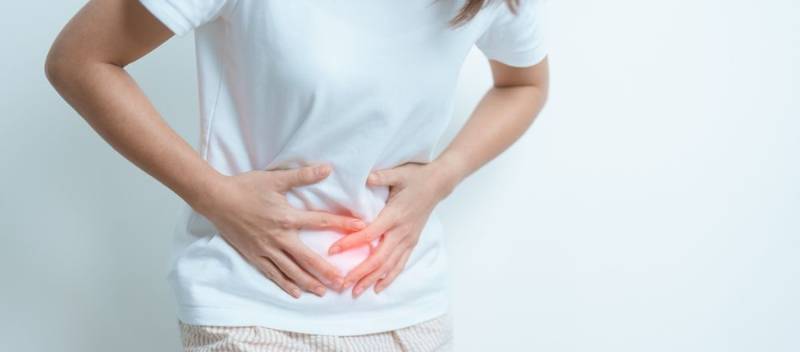
Endometriosis is one of the most common conditions that can cause delayed conception and even interfere with a woman’s ability to carry out daily activities due to chronic pain.
In this article, we’ll explore in depth what endometriosis is, its symptoms, causes, types, diagnostic methods, and treatment options. We’ll also focus on how it affects fertility and pregnancy, when it can become serious, and whether it’s possible to conceive despite having the condition.
What Is Endometriosis?
Endometriosis is a disorder in which tissue similar to the uterine lining (endometrium) grows outside the uterus, often in the abdomen or pelvic area, leading to various symptoms that can impact a woman’s daily life.
Normally, the uterine lining thickens each month in preparation for a fertilized egg, then sheds during menstruation if fertilization doesn’t occur. However, when endometrial-like tissue grows outside the uterus, it doesn’t exit the body during menstruation, leading to buildup, inflammation, and pain.
Endometriosis affects around 10% of women between the ages of 15 and 44, and the misplaced tissue can appear on or near:
- The ovaries
- Fallopian tubes
- The space between the uterus and bladder or rectum
- The pelvic cavity
- Uterine-supporting ligaments
- The outer surface of the uterus
In rare cases, it may affect:
- The rectum
- The stomach
- The vagina
- The cervix
- The intestines
What are Symptoms of Endometriosis?
Pain is the most common symptom and may be felt in the abdomen, lower back, or pelvis, ranging from mild to severe.
Other symptoms include:
- Heavy menstrual bleeding
- Infertility or difficulty conceiving
- Spotting between periods
- Pain during intercourse
- Severe menstrual cramps
- Recurring abdominal or back pain with or without menstruation
- Fatigue
- Painful bowel movements or urination during menstruation (if the rectum or bladder is affected)
These symptoms may appear in both married and unmarried women.
What are Causes of Endometriosis?
The exact cause of endometriosis is unknown, but several theories include:
- Genetic factors: It tends to run in families.
- Blood or lymphatic spread: Endometrial cells may travel through the bloodstream or lymphatic system, similar to cancer cell spread.
- Direct transfer: During surgeries such as cesarean sections, uterine tissue may be transferred to other areas.
- Cell mutations: Some cells may mutate and mimic uterine lining cells.
- Retrograde menstruation: Menstrual blood flows backward through the fallopian tubes into the abdomen instead of out of the body.
- Immune disorders: The immune system may fail to destroy misplaced endometrial tissue.
What are Endometriosis and Fertility?
Endometriosis is a leading cause of infertility, though it does not always mean permanent infertility. It can interfere with conception due to:
- Scar tissue or adhesions blocking the ovaries or fallopian tubes
- Damage to eggs or sperm caused by inflammation
- Hormonal imbalances affecting ovulation or implantation
However, many women with mild to moderate endometriosis (stages 1 and 2) are able to conceive naturally or with assisted reproductive technologies like IVF.
What are Risk Factors of Endometriosis?
You're at a higher risk of developing endometriosis if:
- You started menstruating before age 11
- Your periods are heavy and last more than 7 days
- You have a short menstrual cycle (less than 27 days)
- You’ve never been pregnant
- You have high estrogen levels
- Menopause occurs later in life
Protective factors may include:
- Pregnancy and breastfeeding
- A diet rich in fruits, especially citrus
- Late onset of menstruation (after age 14)
What are Types (Stages) of Endometriosis?
Endometriosis is classified into four stages based on the extent and location of the tissue implants and adhesions:
- Stage 1 (Minimal): Few isolated implants, no significant scarring.
- Stage 2 (Mild): More implants, mainly on ovaries or pelvic lining, no significant adhesions.
- Stage 3 (Moderate): Presence of superficial and deep implants with adhesions around ovaries and fallopian tubes.
- Stage 4 (Severe): Extensive deep implants, large cysts on ovaries, and dense adhesions affecting surrounding organs.
How Is Endometriosis Diagnosed?
Some cases are asymptomatic and only discovered during routine examinations, while others are identified based on symptoms like pelvic or abdominal pain.
Diagnosis typically involves:
- Medical history and symptom assessment
- Physical exam: Includes pelvic exam to detect abnormalities or tenderness
- Imaging tests: Transvaginal ultrasound, abdominal ultrasound, or MRI
- Laparoscopy: A minimally invasive procedure using a camera to view internal organs and confirm diagnosis
- Biopsy: Tissue samples may be collected during laparoscopy for microscopic examination
Can Endometriosis Be Cured?
Endometriosis can sometimes improve on its own, especially after menopause, as estrogen levels drop and endometrial growths shrink.
Pregnancy may also reduce symptoms in some mild cases.
Still, treatment is often needed to manage symptoms and prevent complications.
What are Medications for Endometriosis?
Medical treatment is typically the first option and includes:
Hormonal Therapy
- Birth control pills, hormonal IUDs, implants: Help regulate or stop menstruation and reduce pain.
- Danazol: Suppresses ovarian hormone production.
- GnRH agonists/antagonists: Stop hormone production temporarily, halting menstruation and allowing tissues to shrink. Available as sprays, pills, or injections.
Pain Relievers
- NSAIDs (like ibuprofen) for menstrual and pelvic pain.
Fertility Medications
- Used to stimulate ovulation or assist in conception (e.g., IVF if pregnancy is desired).
Herbal Remedies
- Herbs such as cinnamon and licorice root may help relieve pain but should be used under medical supervision.
What is the Surgical Treatment for Endometriosis?
Surgery may be recommended in moderate to severe cases or when medications fail.
- Laparoscopic Excision: Minimally invasive surgery to remove or destroy endometrial implants.
- Hysterectomy: In extreme cases, removal of the uterus may be considered, but usually ovaries are preserved to avoid early menopause.
When Is Endometriosis Dangerous?
Endometriosis can become serious if:
- It increases the risk of ovarian cancer or endometriosis-associated adenocarcinoma.
- It leads to infertility, causing psychological distress such as depression or anxiety.
Can You Get Pregnant with Endometriosis?
Yes. While endometriosis reduces fertility in about 50% of affected women, it does not completely eliminate the possibility of pregnancy—especially in early stages.
Doctors often advise not to delay pregnancy in women with endometriosis to avoid progression and further complications.
Conclusion
Endometriosis is a common cause of infertility, and early diagnosis is key to improving pregnancy chances and avoiding complications. Treatment depends on the severity of the condition and may include medications, hormonal therapy, or surgery. With the right care, many women with endometriosis can manage their symptoms and achieve successful pregnancies.
If you still need to consult a doctor regarding this condition, you can easily book an appointment through Vezeeta
Related Keywords



References
Mayo Clinic – Endometriosis: Symptoms, causes, diagnosis, and treatment.
https://www.mayoclinic.org/diseases-conditions/endometriosis
American College of Obstetricians and Gynecologists (ACOG) – Endometriosis.
https://www.acog.org/womens-health/faqs/endometriosis
Cleveland Clinic – Endometriosis: Overview, symptoms, and treatment.
https://my.clevelandclinic.org/health/diseases/9474-endometriosis
NHS (UK) – Endometriosis: Causes, symptoms, and treatment.
https://www.nhs.uk/conditions/endometriosis