Fallopian Tube Blockage: Hidden Causes and Medical Solutions to Improve Fertility
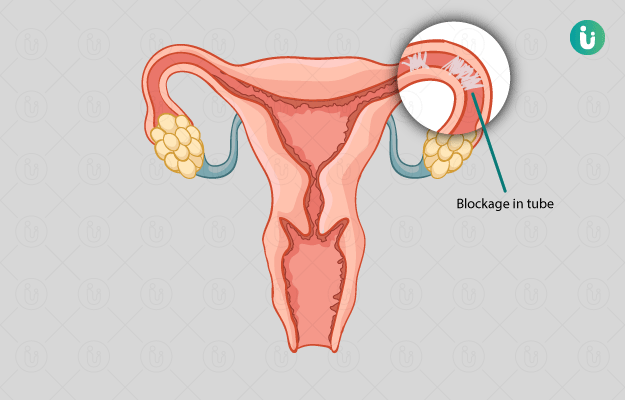
Fallopian tube blockage is one of the most common causes of female infertility, responsible for a significant number of cases where conception becomes challenging. The fallopian tubes are essential for natural pregnancy, as they allow the egg to travel from the ovary to the uterus and meet sperm for fertilization. When one or both tubes become blocked, this process is disrupted, preventing the egg and sperm from uniting. This condition can develop silently, with no symptoms, or present with pelvic pain and menstrual irregularities. Understanding its causes, recognizing potential warning signs, and seeking timely treatment can greatly improve a woman’s chances of achieving pregnancy.
What are Causes of Fallopian Tube Blockage?
- Pelvic Inflammatory Disease (PID) – A common result of untreated sexually transmitted infections, leading to scarring of the tubes.
- Endometriosis – Endometrial tissue growth outside the uterus can cause adhesions that block the tubes.
- Previous pelvic or abdominal surgery – Scar tissue from surgeries such as appendectomy, cesarean section, or ovarian cyst removal can affect tube patency.
- Tubal tuberculosis – In rare cases, tuberculosis infection can damage the fallopian tubes.
- Congenital defects – Rarely, some women are born with structurally abnormal or absent tubes.
What are Symptoms of FallopianTube Blockage?
- Difficulty conceiving despite regular unprotected intercourse.
- Chronic or intermittent pelvic pain.
- Painful menstrual periods or heavy bleeding.
- Unusual vaginal discharge (in case of infection).
- No symptoms at all in some cases, with blockage discovered only during fertility testing.
How is FallopianTube Blockage Diagnosed?
- Hysterosalpingography (HSG) – An X-ray with contrast dye to check if the tubes are open.
- Sonohysterography – An ultrasound-based technique to assess the uterus and tubes.
- Laparoscopy – A minimally invasive surgery to directly visualize and possibly treat blockages.
What are the Treatment Options for FallopianTube Blockage?
- Medications – To treat underlying infections or inflammation.
- Tuboplasty – A surgical procedure to remove scar tissue and open the tubes.
- Salpingectomy – Removal of severely damaged tubes, often before IVF to improve success rates.
- Assisted reproductive techniques – IVF is often recommended when both tubes are blocked or surgical repair is not possible.
What are the Prevention Ways for FallopianTube Blockage?
- Practice safe sex to reduce the risk of pelvic infections.
- Seek prompt treatment for any pelvic or reproductive infections.
- Maintain regular gynecological check-ups, especially if you have risk factors.
Conclusion
Fallopian tube blockage can be a major obstacle to conception, but with accurate diagnosis and the right treatment plan, many women can overcome it and achieve successful pregnancies. Early medical intervention, lifestyle precautions, and modern fertility treatments provide hope and solutions for those affected.
If you still need to consult a doctor regarding this condition, you can easily book an appointment through Vezeeta
Related Keywords



References
American Society for Reproductive Medicine (ASRM)
Information about tubal factor infertility including fallopian tube blockage causes and treatments.
Website: https://www.asrm.org/topics/topics-index/tubal-factor-infertility/
Mayo Clinic – Fallopian Tube Blockage
Overview of symptoms, causes, and diagnosis of fallopian tube blockage.
Website: https://www.mayoclinic.org/diseases-conditions/fallopian-tube-blockage/symptoms-causes/syc-20468953
National Health Service (NHS) UK
Explanation of fallopian tube problems and their impact on fertility.
Website: https://www.nhs.uk/conditions/fallopian-tube-blockage/
UpToDate – Fallopian Tube Obstruction
Detailed clinical resource covering diagnosis, causes, and management of fallopian tube obstruction.
Website: https://www.uptodate.com/contents/fallopian-tube-obstruction
World Health Organization (WHO) – Infertility
Information about infertility causes including tubal factor infertility.
Website: https://www.who.int/news-room/fact-sheets/detail/infertility
Journal Article: "Management of Fallopian Tube Blockage in Infertility"
Fertility and Sterility Journal, 2018; Volume 110, Issue 4, Pages 539-547.
DOI: 10.1016/j.fertnstert.2018.05.027